

Why Camotes Island Is One of the Best Places in the World to Learn Freediving
Why Camotes Island Is One of the Best Places in the World to Learn Freediving
When people think about freediving in the Philippines, names like Panglao or Moalboal usually come up first. They’re fantastic destinations. I’ve trained, taught, and competed in many places around the world, and each one has something unique to offer. Yet when it came time to build my own freediving school, I chose somewhere very different.
How to Choose the Best Freediving School
Camotes Island. Not because it was already famous. Quite the opposite. I chose Camotes because I believed it had everything needed to create an exceptional learning environment. Years later, after welcoming students from more than fifty countries, I’m even more convinced that it was the right decision. If your goal is simply to tick “freediving” off your holiday bucket list, almost anywhere with warm water will do. But if you want to truly learn, improve, and fall in love with the sport, the environment matters far more than most people realize.
A Hidden Paradise in the Philippines
One of the things I love most about Camotes is that it still feels authentic. Unlike some destinations that have become heavily developed, Camotes has managed to keep its peaceful atmosphere. There are no huge crowds. No traffic jams. No beaches packed with tourists. Life moves at a different pace here. And I genuinely believe that slower pace helps people become better freedivers. Freediving is built on relaxation. It’s difficult to learn relaxation in an environment that constantly feels rushed.
From My Experience: What makes Camotes special isn’t only the diving. It’s how quickly people slow down. They arrive stressed, and within a few days they’re laughing over lunch, making friends and genuinely enjoying the process.
The Ocean Is Our Classroom
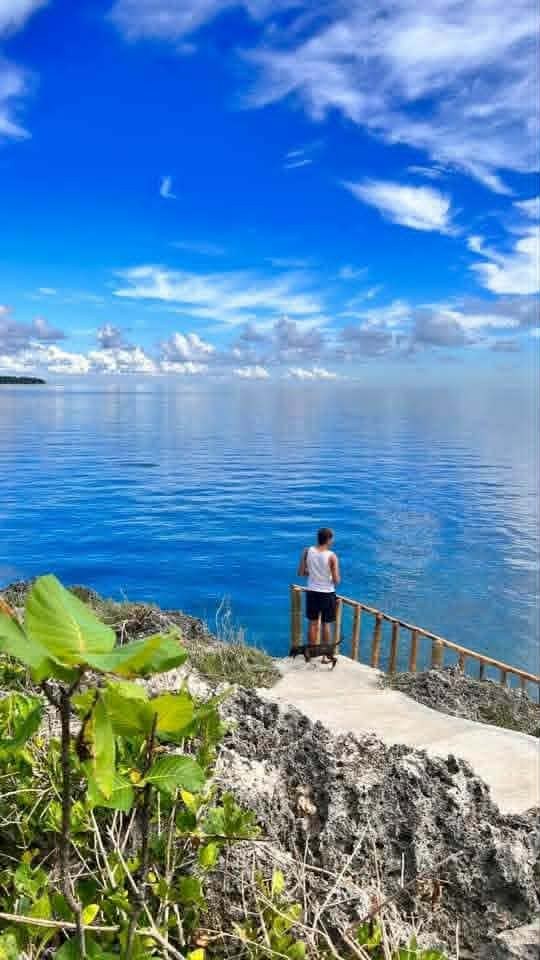
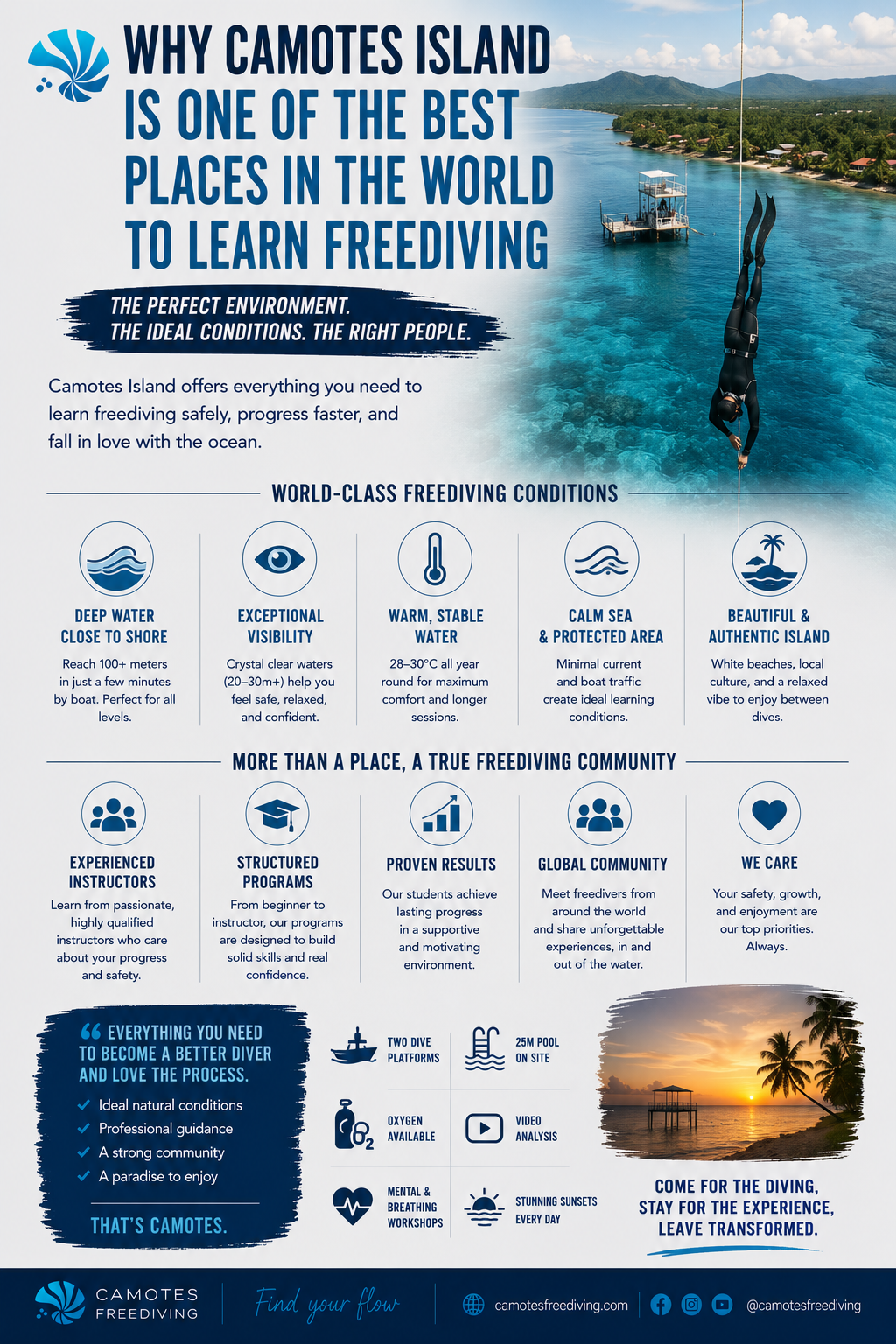
Every freediver remembers their first descent into clear blue water. That feeling never really disappears. At Camotes, our classroom isn’t a swimming pool or a crowded harbor. It’s the open ocean. Just a few minutes from the dive center, our training platform sits above deep, clear water, providing ideal conditions for everyone—from complete beginners to athletes preparing for international competitions. Every day, students experience something many people dream about: Stepping onto a boat, heading out across calm tropical water, and spending the day learning in one of the most beautiful classrooms imaginable.
Conditions That Help You Learn Faster
One thing I’ve learned after coaching hundreds of students is that good conditions accelerate learning. People often think progress depends entirely on the instructor. Of course, coaching matters. But so does the environment. Warm water means your body stays relaxed. Good visibility reduces stress. Minimal current allows you to focus on technique instead of fighting the ocean. Easy access to deep water means more time diving and less time travelling. Every small advantage adds up. By the end of the week, students often accomplish far more than they expected—not because we rushed them, but because the conditions allowed them to focus on learning.
As for deep diving, Camotes offers some of the best and most consistent conditions all year round.
Warm Water Changes Everything
For many students visiting from Europe or North America, one of the biggest surprises is the water temperature. Instead of struggling with thick wetsuits, cold hands, and shivering between dives, they discover what it’s like to dive comfortably. Warm water has another important benefit. It helps you relax. That may sound simple, but relaxation is one of the most valuable skills in freediving. Anything that allows your body to stay calm contributes to better learning.
A Place Where Beginners and Elite Athletes Train Together
One of the unique aspects of Camotes Freediving is the diversity of people who train here. On any given day, you might find: Someone taking their very first freediving course. An instructor candidate preparing for evaluations. A national record holder refining technique. An international athlete preparing for competition. Everyone shares the same water. Everyone learns from each other. I’ve always loved that aspect of freediving. Unlike many sports, experience doesn’t create barriers. It creates opportunities for learning.

Small Groups, Better Coaching
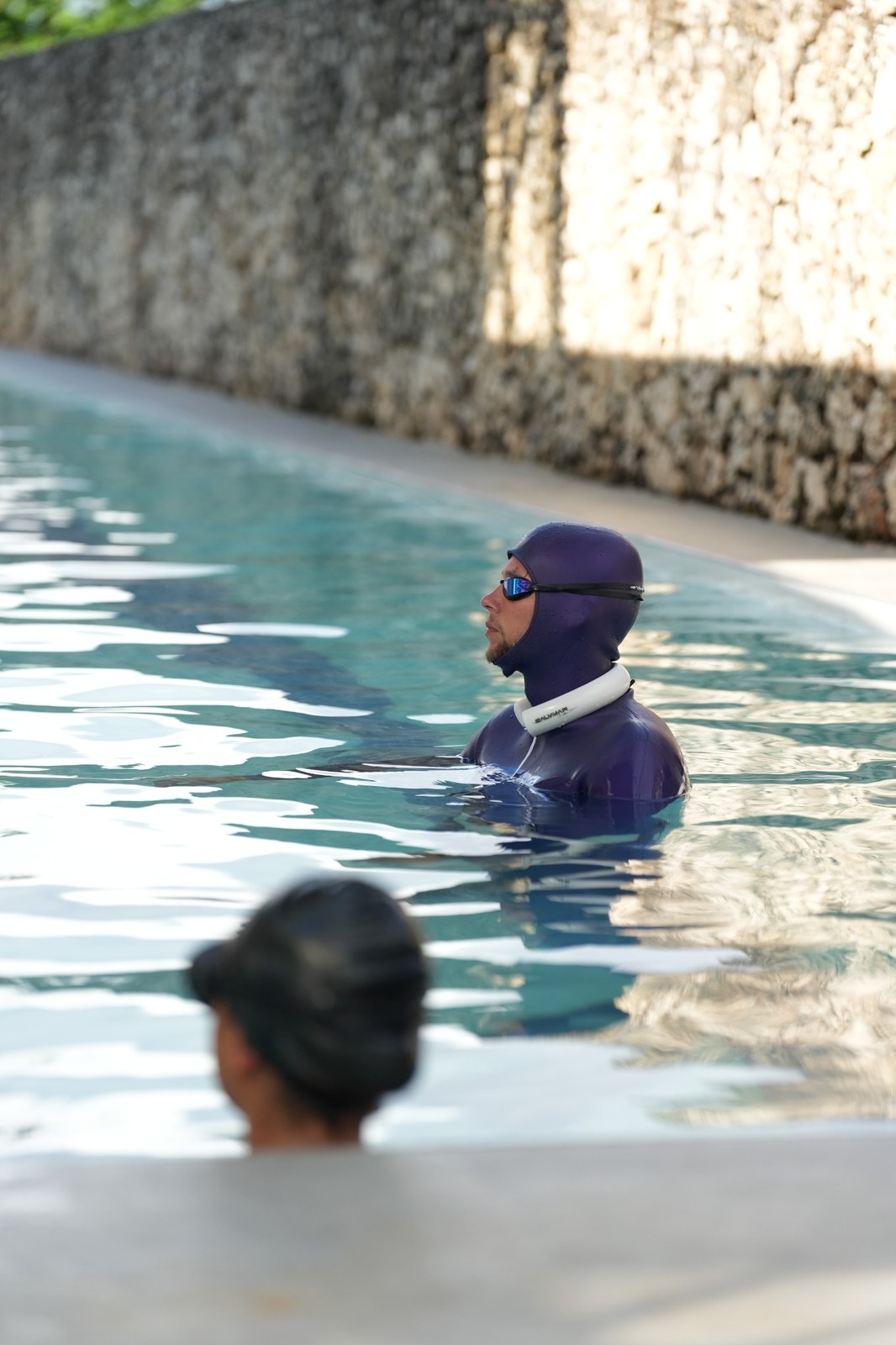
As our school has grown, one thing has never changed. We deliberately keep our beginner courses small. Maximum three students per instructor. Could we teach larger groups? Of course. Many schools do. But we’ve chosen a different approach. Because every student deserves individual attention. Everyone learns differently. Some people understand equalization immediately. Others need more time. Some are naturally relaxed. Others need encouragement.
Small groups allow us to adapt to each person rather than expecting everyone to learn in exactly the same way. I genuinely believe that’s one of the reasons our students progress so consistently.
More Than Just a Certification
One thing I often tell students on the first morning is: “I’m much more interested in how you dive six months from now than how you dive on the last day of this course.” That usually surprises them. But it’s true. A certification is only the beginning. Our goal isn’t simply to help you pass a performance requirement. Our goal is to give you the knowledge, confidence, and habits that will support your freediving for years to come. If you leave Camotes as a safer, more confident diver, we’ve done our job.
Coach’s Tip: Don’t judge a destination only by its deepest dive site. Judge it by the quality of the coaching, the safety culture and how you feel after spending a week there.
The Importance of Community
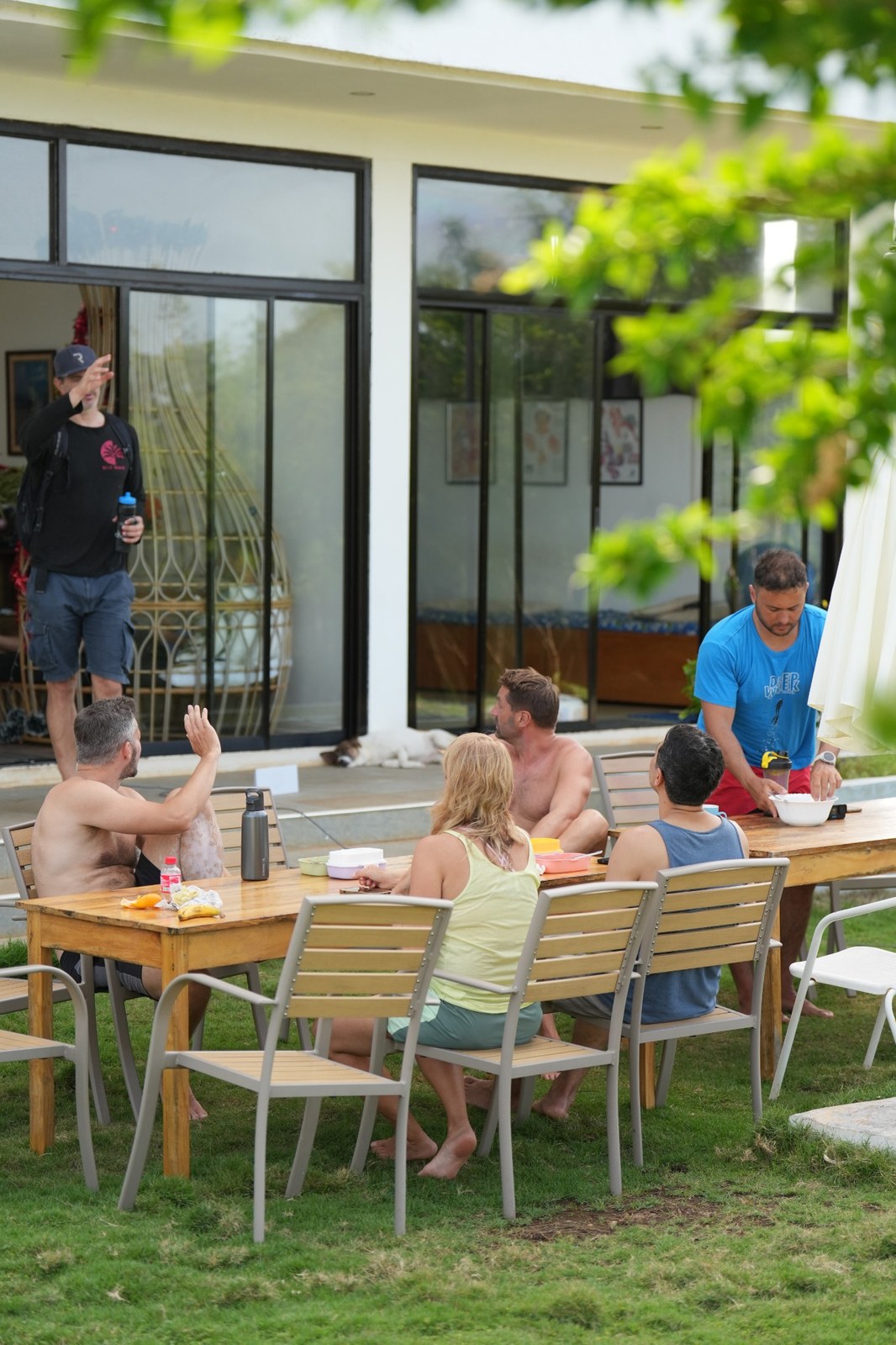
People often arrive as strangers. By the end of the week, they’re having dinner together. Sharing training tips. Planning future dive trips. Encouraging one another. Freediving creates remarkable friendships. Perhaps it’s because everyone experiences vulnerability together. Everyone has moments of fear. Everyone has moments of breakthrough. Everyone celebrates each other’s progress. That sense of community is one of my favorite parts of running a freediving center.
Why Camotes Freediving Is More Than Just a Freediving School
Training Beyond the Course
For many people, the Wave 1 course is only the beginning. After certification, students can continue improving through:
- coached depth sessions
- pool training
- equalization workshops
- breathing sessions
- flexibility training
- mental performance workshops
- guided fun dives
- advanced courses
- instructor development
I’ve always believed learning shouldn’t stop when the course ends. In many ways, that’s when the real journey begins.
Camotes Is More Than Freediving
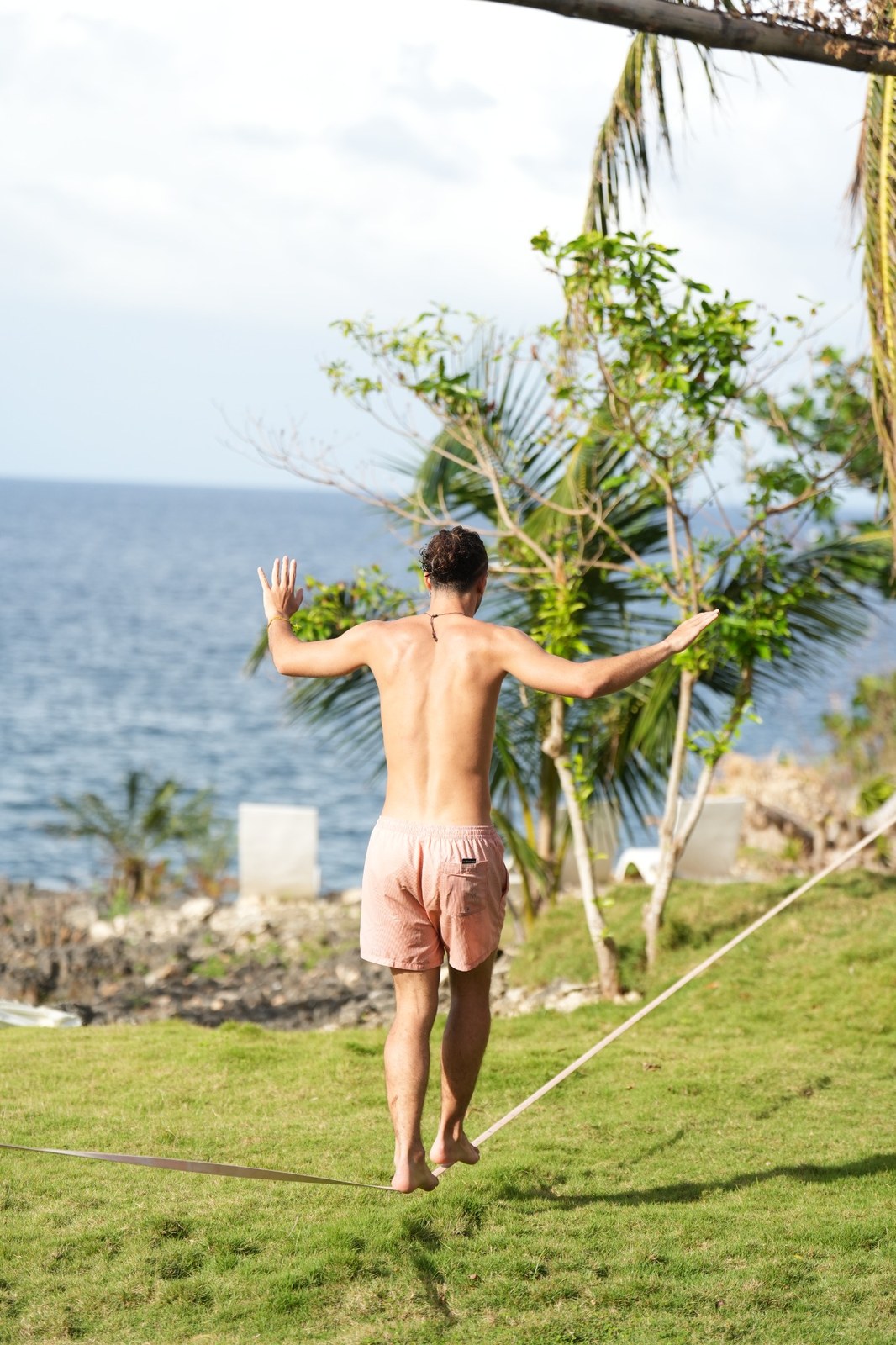
Of course, you’ll spend plenty of time underwater. But one of the things students remember most is everything that happens between the dives. Watching the sunrise over the ocean. Sharing breakfast after training. Exploring the island. Swimming with sea turtles. Relaxing on quiet beaches. Enjoying local Filipino hospitality. Life here feels refreshingly simple. And for many people, that’s exactly what they were looking for without even realizing it.
The Philosophy Behind Camotes Freediving
When I created Camotes Freediving, I didn’t simply want another dive school. I wanted to create the kind of place where I would have loved learning myself. A place where quality always comes before quantity. Where instructors continue learning. Where safety is part of every decision. Where beginners feel just as welcome as world-class athletes. Where students aren’t treated like customers. They’re treated like members of the community. Every decision we’ve made over the years has been guided by that philosophy.
Why I Chose to Stay
People sometimes ask why I never moved somewhere bigger. Or more famous. Or more developed. The answer is simple. Because this place allows us to focus on what really matters. Teaching. Training. Building relationships. Helping people discover a sport that has changed my own life. Camotes has become much more than the location of my school. It’s become home. And I feel incredibly fortunate to share it with people who travel here from around the world.

Is Camotes Right for You?
Camotes isn’t the busiest destination in the Philippines. It isn’t famous for nightlife. You won’t find huge shopping malls or luxury beach clubs. What you will find is something increasingly rare. Peace. Nature. Warm water. Friendly people. Outstanding freediving conditions. And the opportunity to disconnect from the noise of everyday life long enough to reconnect with yourself. For many students, that’s the most valuable part of the experience.
Frequently Asked Questions
Where is Camotes Island?
Camotes Islands are located in Cebu Province, in the central Philippines. They are easily accessible by ferry from Cebu City and offer a peaceful alternative to some of the country’s busier tourist destinations.
Is Camotes suitable for complete beginners?
Absolutely. In fact, it’s one of the reasons we built our school here. Calm conditions, warm water, and small groups make it an ideal place to learn freediving safely.
What water temperature can I expect?
Most of the year, water temperatures range between 28°C and 30°C, making training comfortable with a thin wetsuit.
How many students are in a beginner course?
We keep our Wave 1 courses to a maximum of three students per instructor, allowing for highly personalized coaching and plenty of individual feedback.
Can I continue training after my course?
Yes. Many students stay to continue with coached sessions, advanced courses, or our Master Training Program. Others return months or years later to continue their progression.
Final Thoughts
People often ask me what makes a great freediving destination. Most expect me to answer with water temperature. Visibility. Depth. Marine life. Those things certainly matter. But after all these years, I believe something else matters even more. A great freediving destination is one that makes you want to come back. Not because you didn’t finish your course. But because you found a community. You found a place where learning felt exciting. Where every day in the water left you smiling. Where you became a better diver and perhaps a slightly calmer person too. That’s what we’ve tried to build at Camotes Freediving. And if you decide to visit us one day, I hope you’ll experience exactly that.
Further Reading:
How to Choose the Best Freediving School in the Philippines
Camotes vs Panglao for Freediving
What Happens During Your First Freediving Course


