

Everything You Need to Know Before Taking Your First Freediving Course
Everything You Need to Know Before Taking Your First Freediving Course
Every week, I receive messages that start almost exactly the same way. “I’ve always wanted to try freediving, but…” “…I’m not sure if I can hold my breath long enough.” “…I’m not a very good swimmer.” “…I’ve never dived before.” “…I’m a little scared.”
If that sounds like you, you’re not alone. In fact, almost every experienced freediver I know had exactly the same doubts before their first course. Including me. The funny thing is that once people finish their first weekend of freediving, they often laugh about the fears they had beforehand. Not because those fears weren’t real. But because they discover that freediving is very different from what they imagined.
Coach’s Tip: Arrive curious rather than nervous. You don’t need to prove anything during your first course. You’re there to learn, ask questions and enjoy the experience.
If you’re considering taking your first freediving course, this article is for you. I’ll answer the questions I hear most often and explain exactly what you can expect.
First of All…
You Do NOT Need to Be Able to Hold Your Breath for Three Minutes
This is probably the biggest misconception about freediving. Many people think they need to arrive already capable of holding their breath for several minutes. You don’t. Your instructor isn’t expecting you to be good at freediving. That’s literally why you’re taking the course. I’ve taught people who couldn’t comfortably hold their breath for thirty seconds before we started. By the end of the course, they were amazed by what they could achieve. Not because they suddenly developed bigger lungs. Because they learned how to relax.
You Don’t Need to Be an Athlete
From My Experience: The students who progress the fastest during Wave 1 are rarely the strongest athletes. They’re usually the ones who listen carefully, stay patient and trust the process.
Another common misconception. People imagine freedivers as incredibly fit individuals with perfect bodies and massive lung capacity. Reality is much more interesting. I’ve taught office workers, doctors, engineers, grandparents, professional athletes, people who hadn’t exercised in years. Freediving doesn’t reward the strongest person. It rewards the person who learns to move efficiently and remain calm. Of course, being fit is an advantage. But it isn’t a requirement.

The Course Is About Much More Than Holding Your Breath
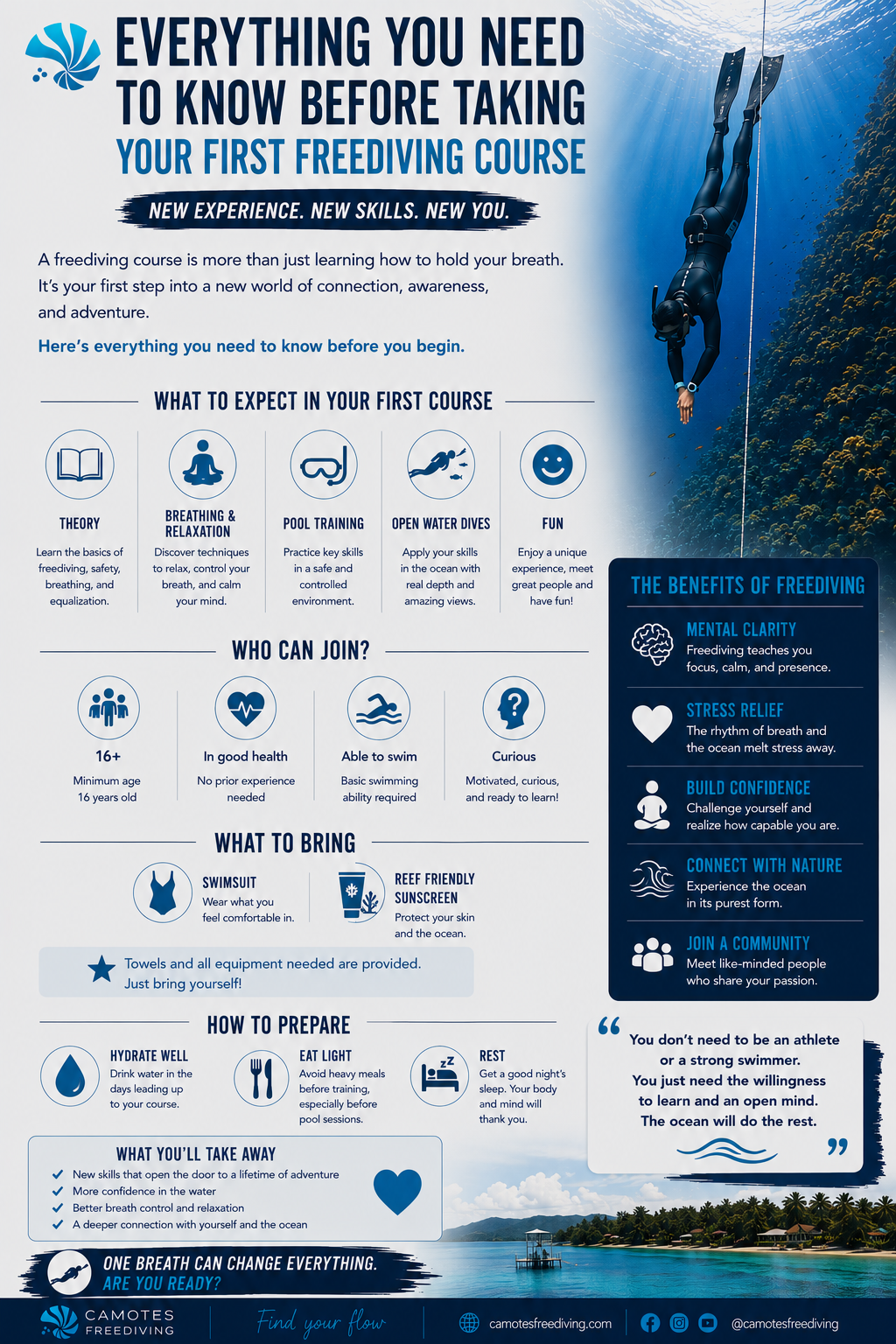
If someone asked me to summarize a beginner freediving course in one sentence, I’d say: You’re learning how to become comfortable underwater. Holding your breath is only one small part of that. You’ll also learn:
- how your body reacts underwater
- how pressure affects your ears
- how to equalize safely
- efficient finning techniques
- proper body position
- relaxation
- rescue procedures
- buddy safety
- breathing techniques
- confidence in the water
In other words, you’re learning an entirely new skill.
Safety Comes First
Some people are surprised to discover how much time we spend talking about safety. Personally, I think it’s one of the most important parts of the course. Because good freediving isn’t about taking risks. It’s about understanding them. You’ll learn why we never dive alone. How to supervise another diver. How to perform basic rescues. How to recognize potential problems before they become emergencies. These skills are just as important as learning to dive deeper.
You Will Probably Surprise Yourself
This happens almost every course. Someone arrives convinced they’ll struggle. Maybe they’re nervous. Maybe they don’t think they’re naturally talented. Then, little by little, they relax. Their breathing slows. Their confidence grows. By the end of the weekend they’re smiling underwater. Not because someone pushed them. Because they discovered they were capable of much more than they believed. Watching those moments never gets old.
What Happens During a Beginner Course?
Although every instructor teaches slightly differently, most quality freediving courses include three main components.
Theory
Understanding what’s happening inside your body. You’ll learn about:
- pressure
- equalization
- breathing
- relaxation
- physiology
- safety
- equipment
The theory isn’t there to make things complicated. It’s there to help everything make sense.
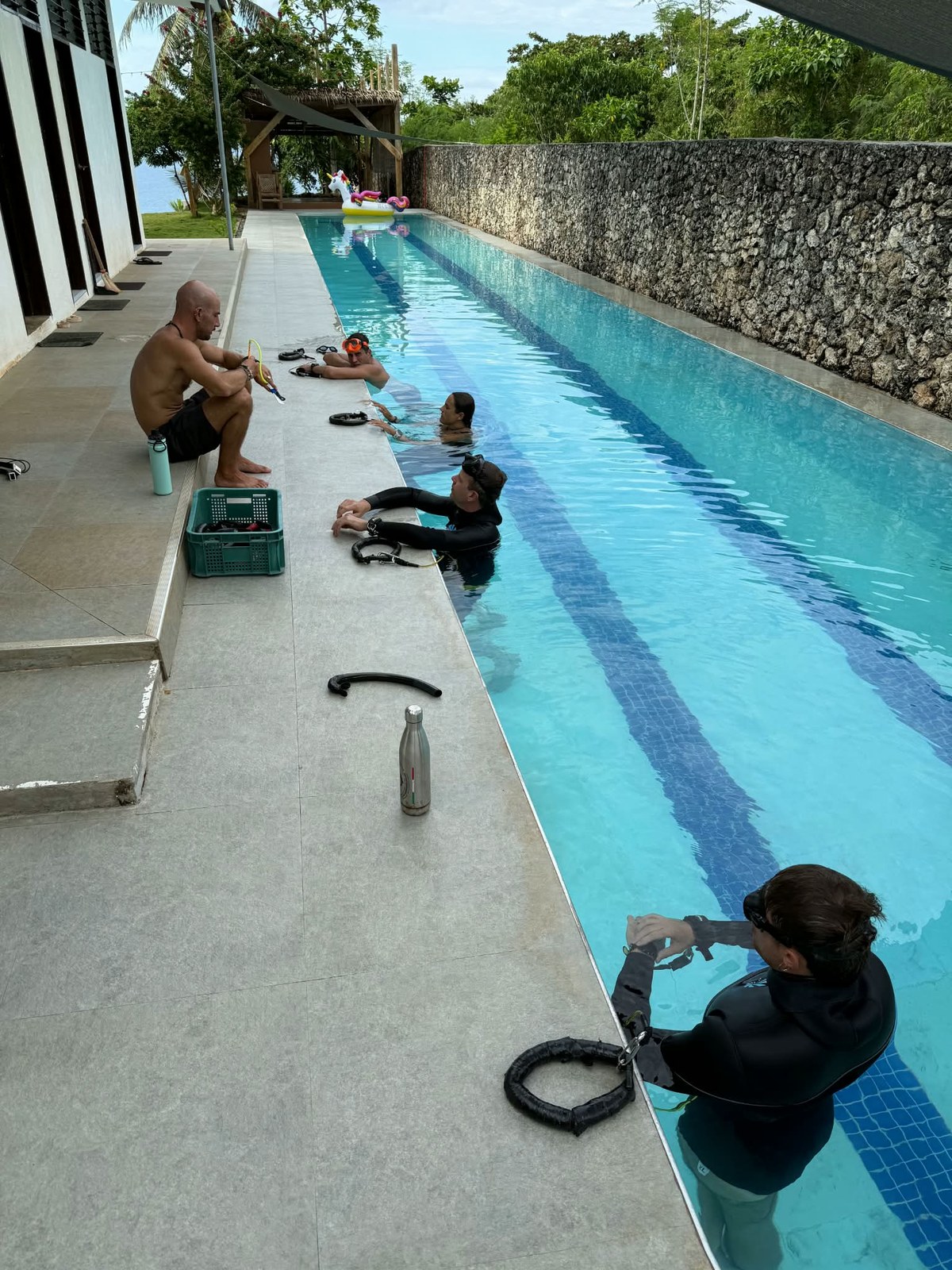
Pool Training
The pool is often where people discover something surprising. Holding your breath isn’t nearly as uncomfortable as they expected. In a controlled environment, you’ll practice:
- static breath holds
- dynamic swimming
- rescue skills
- relaxation exercises
The pool builds confidence before heading into the ocean.
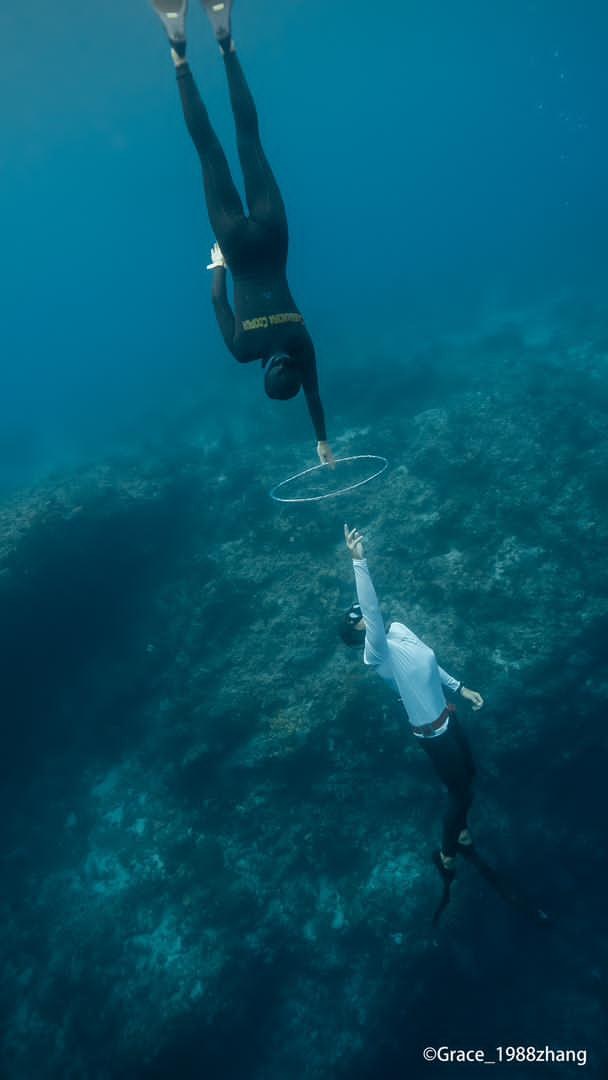
Open Water
This is where everything comes together. You’ll practice:
- duck dives
- equalization
- descent technique
- body position
- ascent
- recovery breathing
Most students say this is the highlight of the course. There’s something magical about descending through clear blue water for the first time.
Equalization Is More Important Than Breath-Hold
Many beginners spend weeks practicing holding their breath before the course. Ironically, the skill that usually determines your depth has nothing to do with breath-holding. It’s equalization. That’s why beginner courses spend so much time teaching it correctly. Strong equalization skills will support your freediving for years. Poor habits become increasingly difficult to correct later.
Relaxation Changes Everything
People often ask me what separates successful beginners from struggling beginners. It’s rarely lung capacity. Almost always, it’s relaxation. The students who stop fighting the water improve quickly. The students who try to force everything usually struggle. Freediving rewards patience. That’s one of the reasons so many people find it surprisingly calming.
What Should You Bring?
The good news is… Not much. Most freediving schools provide:
- mask
- snorkel
- fins
- wetsuit
- weight belt
- weights

You usually only need:
- swimwear
- towel
- water bottle
- sunscreen
- enthusiasm
As you continue diving, you’ll gradually build your own equipment collection. There’s no need to buy everything immediately.
Will I Be Able to Dive Deep?
It’s one of the most common questions. Honestly… Maybe. Maybe not. And that’s perfectly fine. Some beginners comfortably reach twenty meters. Others spend more time mastering equalization. Both are successful. Your first course isn’t about reaching an arbitrary depth. It’s about learning skills that will support you for the rest of your freediving journey.
What If I’m Afraid?
Almost everyone feels nervous before their first dive. Fear isn’t the problem. Trying to hide it is. A good instructor expects beginners to feel nervous. You’re learning something completely new. The important thing is that the course progresses gradually. Nobody should pressure you into doing something you’re not ready for. Good coaching builds confidence one small step at a time.
Is Freediving Dangerous? Myths and Reality (Article 46)
Freediving Is Surprisingly Social
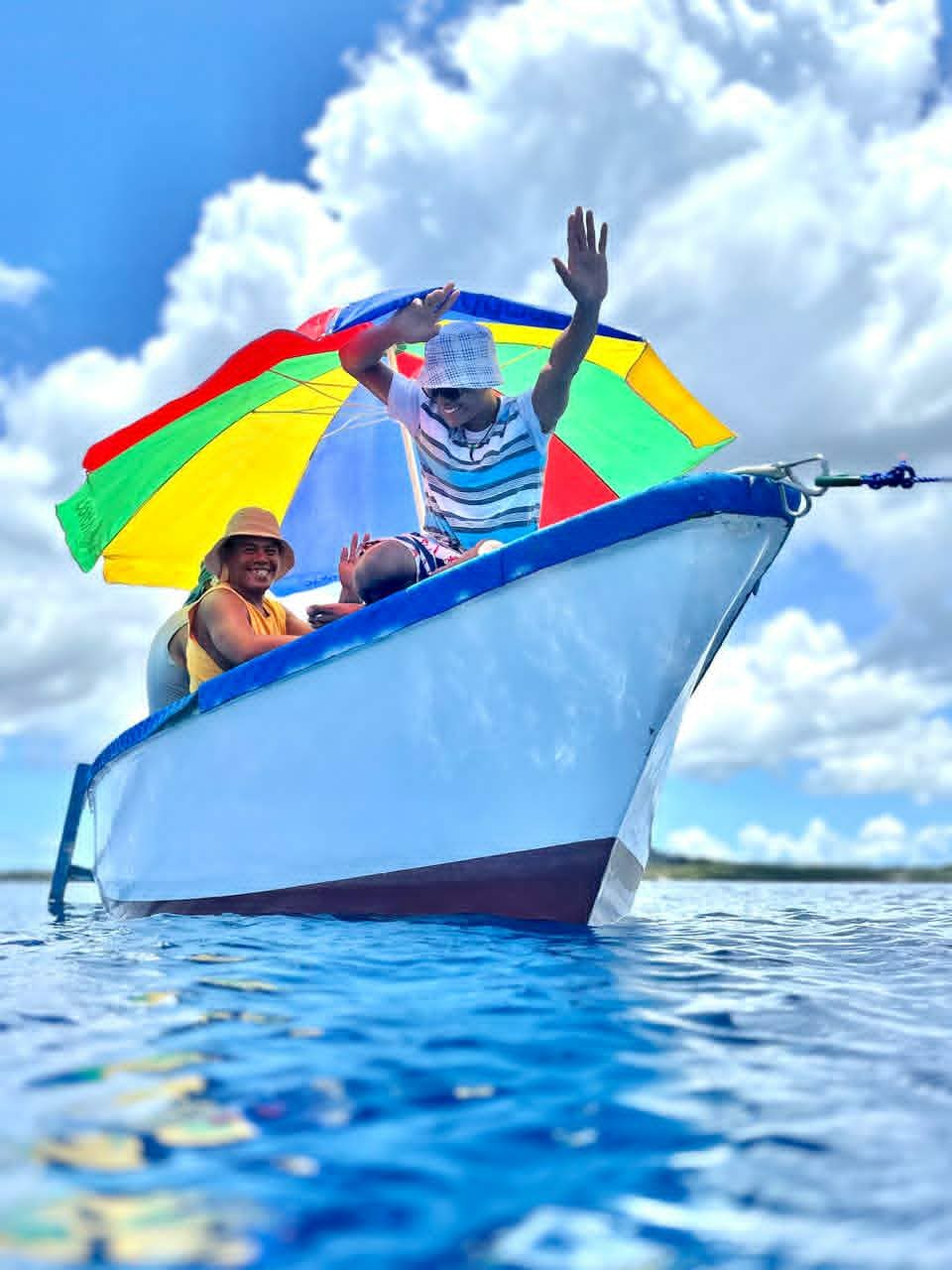
Many people imagine freediving as a solitary activity. In reality, it’s incredibly social. You’ll spend the weekend: Learning together. Encouraging each other. Celebrating each other’s progress. Practicing buddy skills. Sharing experiences after the dives. Some of the strongest friendships I’ve seen have started during beginner courses.
Your Certification Is Just the Beginning
One thing I always tell new students is: “Don’t think of this as the end of your course. Think of it as the beginning of your education.” Once certified, you’ll have opportunities to continue through:
- coached sessions
- fun dives
- advanced courses
- workshops
- pool training
- equalization clinics
- instructor development
Freediving isn’t something you finish learning. It’s something you continue exploring.
What Makes a Great Beginner Course?
If I had to summarize it in one sentence, I’d say: You should leave feeling excited to keep diving. Not exhausted. Not frightened. Not overwhelmed. Excited. Because that’s what keeps people progressing. A great instructor doesn’t simply teach techniques. They help you fall in love with the process.
Why I Still Love Teaching Beginners
People often assume my favourite students are competitive athletes. They’re wrong. I genuinely love teaching beginners. Why? Because I get to witness transformation. Someone arrives convinced they “can’t.” Then, two days later, they realise they can. That moment never loses its magic. I’ve experienced national records. International competitions. Deep dives beyond 100 meters. Yet watching someone complete their very first relaxed dive with a huge smile is still one of the most rewarding parts of my job. t reminds me why I started teaching in the first place.
Frequently Asked Questions
Can I take a freediving course if I’ve never snorkelled before?
Yes. Many students have very little experience in the ocean before their first course. Everything is taught progressively.
Do I need to be able to swim well?
You should be comfortable in the water and able to swim, but you don’t need to be a competitive swimmer.
Is freediving dangerous?
Like many outdoor sports, freediving carries risks if practiced incorrectly. That’s exactly why proper education, supervision, and buddy procedures are so important.
What if I can’t equalize?
Many beginners initially struggle with equalization. A good instructor will help you understand the technique and adapt the teaching to your individual needs.
Will I become certified?
Yes. If you successfully complete the required skills and demonstrate safe diving practices, you’ll receive an internationally recognized freediving certification.
Can I continue after Wave 1?
Absolutely. Many students continue with Wave 2, coached depth sessions, or regular training. Your first course is only the beginning of the journey.
Final Thoughts
Taking your first freediving course can feel intimidating. I understand that. Every experienced freediver once stood exactly where you are now. Wondering if they could do it. Wondering if they’d enjoy it. Wondering if they were capable. The beautiful thing is that freediving usually answers those questions much faster than people expect. You don’t need exceptional lungs. You don’t need years of experience. You don’t need to be fearless. You simply need curiosity, patience, and a willingness to learn. The rest will come one breath at a time. And who knows? Your first freediving course might become the beginning of an adventure that changes far more than just the way you experience the ocean.
Further Reading:
How Long Can the Average Person Hold Their Breath
What Equipment Do You Need to Start Freediving
Can Anyone Learn to Freedive


