

How Long Does It Take to Become a Good Freediver?
How Long Does It Take to Become a Good Freediver?
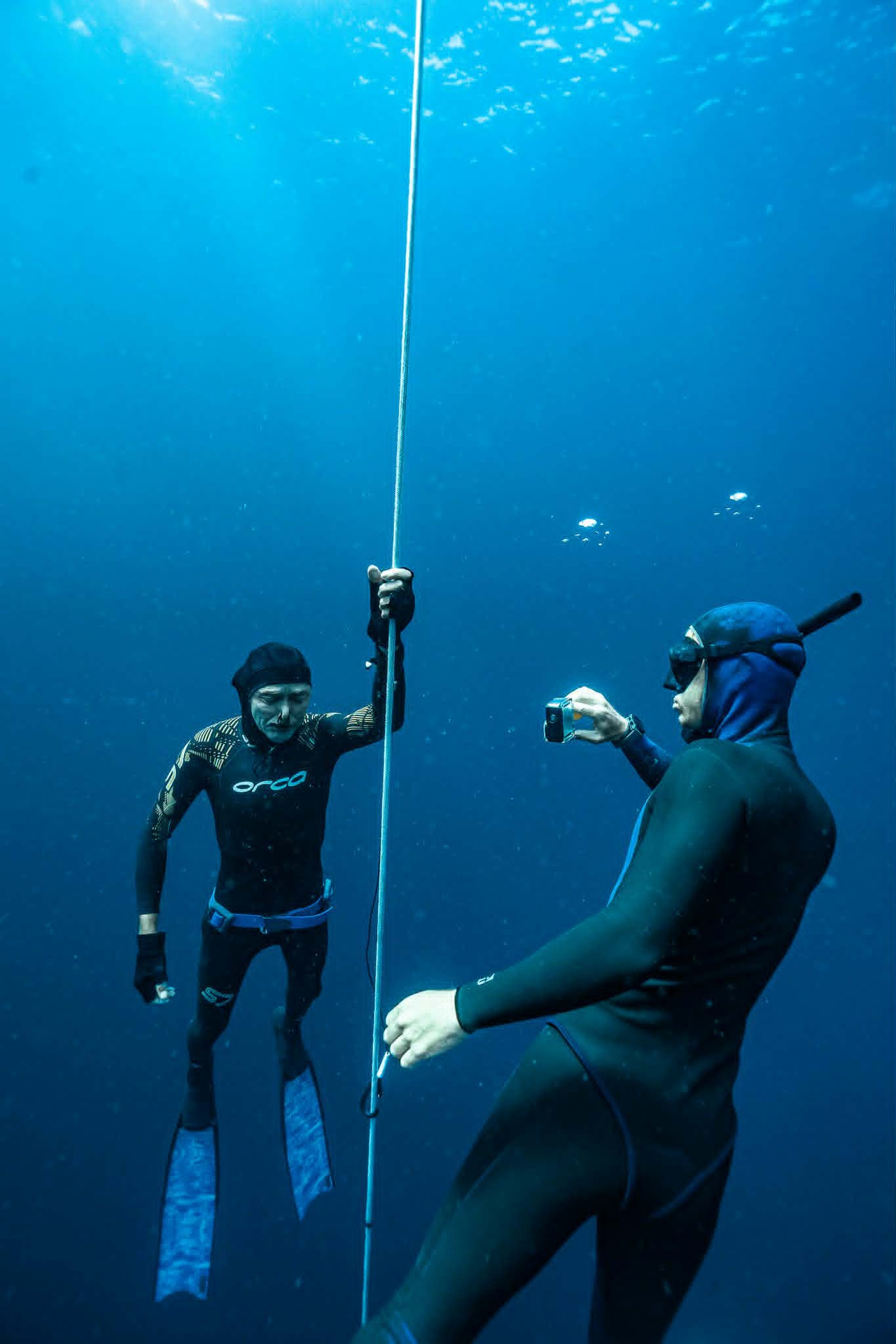
It’s one of the questions I hear more than almost any other. Usually on the first day of a course. Sometimes before people have even entered the water. They smile and ask: “How long will it take before I can dive to 30 meters?” Or… “How many courses do I need before I become really good?” It’s an understandable question. We all like timelines. We like knowing how long success will take. The problem is… Freediving doesn’t work that way. And honestly, that’s one of the reasons I love it.
Everyone Starts From a Different Place
I’ve taught students who had never worn a mask before. I’ve also taught competitive swimmers, surfers, scuba divers, yoga instructors, elite athletes… They all arrived with different strengths. A swimmer may feel comfortable in the water. A yogi may have excellent body awareness. A scuba diver may already understand buoyancy. But none of those backgrounds automatically creates a good freediver. Everyone starts somewhere different. Everyone progresses differently.
The First Course Isn’t About Depth
One thing I always tell students is this: Your first course isn’t designed to make you dive deep. It’s designed to make you dive well. If you leave your Wave 1 course with:
- Good safety habits
- A solid understanding of equalization
- Better breathing awareness
- Confidence in the water
- A love for the sport
Then you’ve had an incredibly successful course. The depth is simply a bonus.

Stop Comparing Timelines
What I Tell My Students: Don’t compare your chapter one to someone else’s chapter ten. Everyone progresses differently.
One student reaches 20 meters in two days. Another reaches 12. Which one has more potential? The honest answer is: I have no idea. I’ve seen students who progressed incredibly fast during their first course and then barely improved over the following years. I’ve also seen students who struggled initially become outstanding freedivers because they stayed patient and consistent. Your first weekend tells me almost nothing about where you’ll be five years from now.
There Is No Magic Depth
People often ask: “When can I call myself a good freediver?” I don’t think there’s a depth where that suddenly happens. I’ve met divers reaching 60 meters who rushed every dive. Ignored safety. Had poor technique. I wouldn’t necessarily describe them as good freedivers.
I’ve also met divers who never went beyond 20 meters but had beautiful technique, excellent awareness, and impeccable safety habits. To me, they were excellent freedivers. Depth is only one measure of ability.
What Actually Determines Progress?
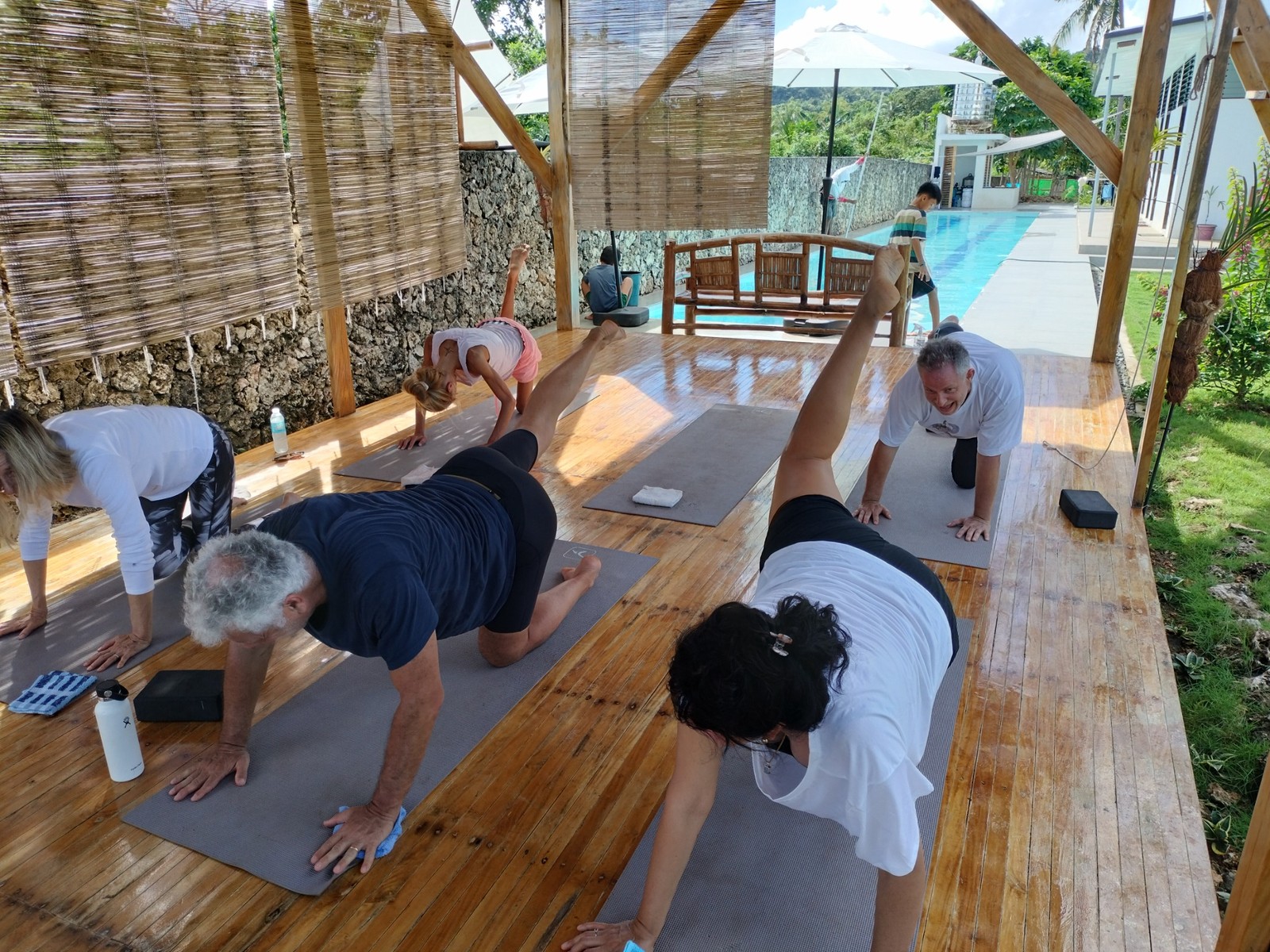
Over the years, I’ve noticed that long-term progression usually depends on five things. Not talent. Not genetics. Not lung size. These five things.
Coach’s Tip: Measure success by the quality of your dives and your enjoyment—not just by depth.
- Consistency
Two dives every week for a year usually beat one intensive training camp followed by six months without diving. The body loves regular exposure.
- Curiosity
The best students ask questions. They’re constantly trying to understand why something works. Curiosity accelerates learning.
- Patience
Ironically… The divers who are least obsessed with depth often progress the fastest. Because they focus on learning instead of proving.
- Coaching
Good feedback shortens the learning curve enormously. Sometimes one small correction saves months of frustration.
- Enjoyment
People who genuinely enjoy training simply stay in the sport longer. And time is one of the greatest teachers.
My Own Journey
People sometimes look at the depth I dive today and assume it happened quickly. It didn’t. It has taken me years of consistent practice. Thousands of dives. Hundreds of mistakes. Dozens of competitions. Many frustrating days. And countless moments where I felt like I wasn’t improving at all. Looking back… I wouldn’t change any of it. Because every stage taught me something the next one required.

The Best Freedivers Never Stop Being Students
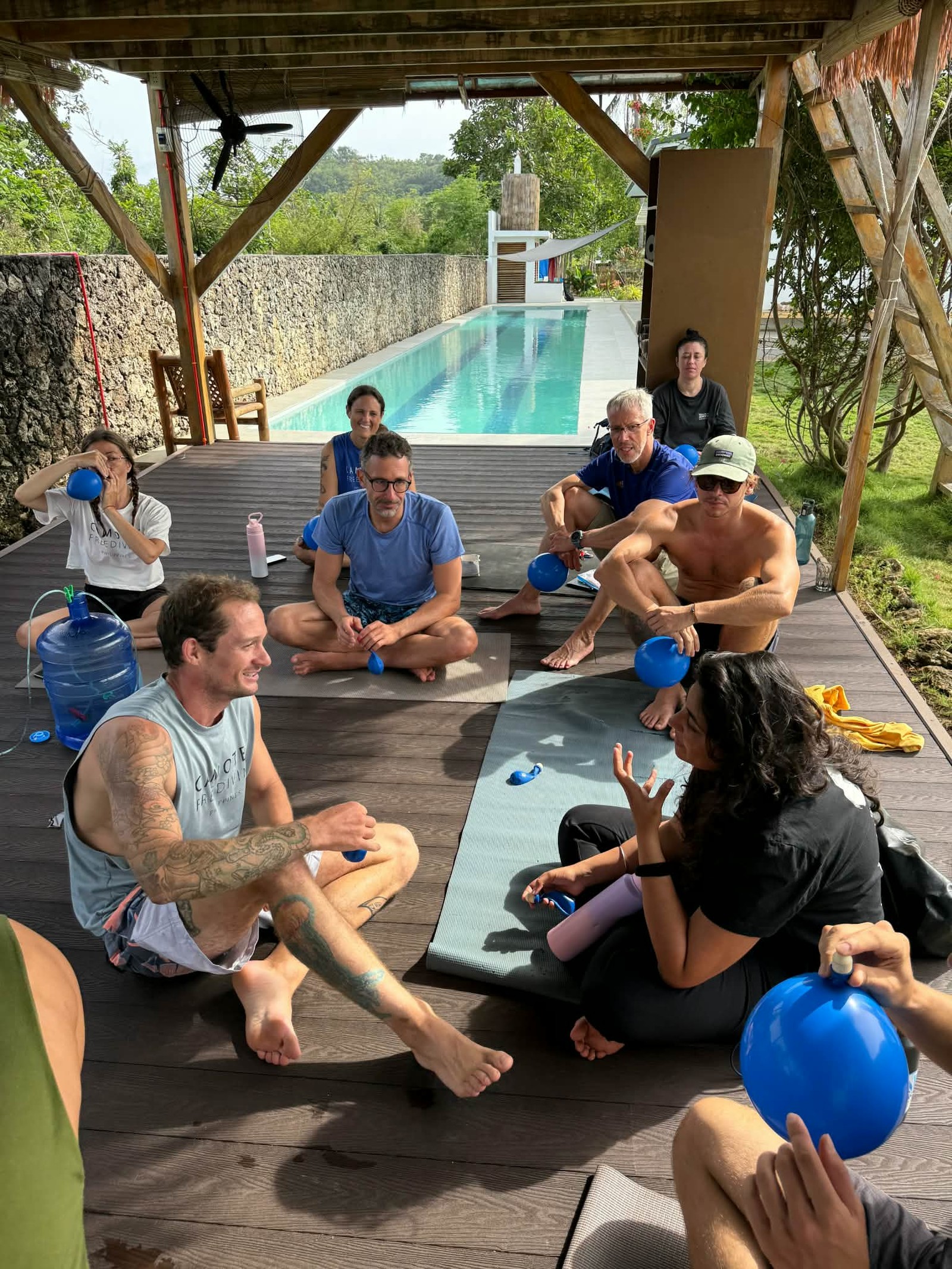
One thing I love about freediving is that nobody ever finishes learning. Even today… I’m still refining my equalization. Still improving my freefall. Still working on relaxation. Still learning from every dive. That’s one of the reasons this sport never becomes boring. Mastery isn’t a destination. It’s a direction.
Why Serious Freedivers Choose Camotes for Training
Don’t Chase Someone Else’s Timeline
Social media makes it easy to think everyone is progressing faster than you. You see someone’s new personal best. Someone else’s instructor certification. Another competition result. What you rarely see are: The missed dives, the difficult sessions, the years of quiet practice. Don’t compare your chapter two to someone else’s chapter twenty.
If I Could Give One Piece of Advice
When students ask me how quickly they can become a good freediver, I usually answer with another question. “What if instead of trying to become good as quickly as possible… you focused on enjoying becoming better?” Because that’s what kept me progressing. Not chasing the finish line. Enjoying the process. Ironically… That’s also what eventually took me much further than I ever imagined.
Five Things That Will Accelerate Your Progress
- Focus on quality, not depth.
Beautiful dives create deep dives.

- Dive regularly.
Consistency beats intensity.
- Learn from experienced instructors.
Good feedback saves years.
- Stay patient.
Progress is rarely linear.
- Never stop enjoying the journey.
The divers who stay in love with the sport usually become the best divers.
How Often Should You Train Freediving
Frequently Asked Questions
How long does it take to learn freediving?
Most people can safely learn the fundamentals during a beginner course lasting two to three days. Becoming highly skilled takes months and years of consistent practice.
How long does it take to reach 20 meters?
It varies enormously. Some students reach 20 meters during their first course, while others take several months. Both progressions can lead to excellent freedivers.
Can everyone become a good freediver?
Most healthy people can become very competent freedivers with proper instruction, consistent practice, and patience. Individual rates of progression vary widely.
Is depth the best measure of progress?
No. Relaxation, technique, safety, efficiency, and confidence are often much better indicators of long-term development.
What’s the fastest way to improve?
Train consistently, seek quality coaching, stay curious, and focus on mastering fundamentals rather than chasing numbers.

Final Thoughts
If there’s one thing freediving has taught me, it’s that the ocean doesn’t reward impatience. It rewards understanding. The students who progress the fastest aren’t always the strongest. Or the most talented. They’re usually the ones who remain curious. Who celebrate small improvements. Who accept that some days are better than others. Who enjoy the journey enough to keep showing up. Looking back, I don’t think becoming a good freediver was ever about reaching a particular depth.It was about becoming a little calmer… A little more efficient… A little more aware… One dive at a time. And the beautiful thing is that journey never really ends.
Further Reading:
Training for Deep Freediving
Why Camotes Freediving Is More Than Just a Freediving School
The Ultimate Guide to Freediving in the Philippines


