

Why Can’t I Equalize? The 12 Most Common Reasons (And How to Fix Them)

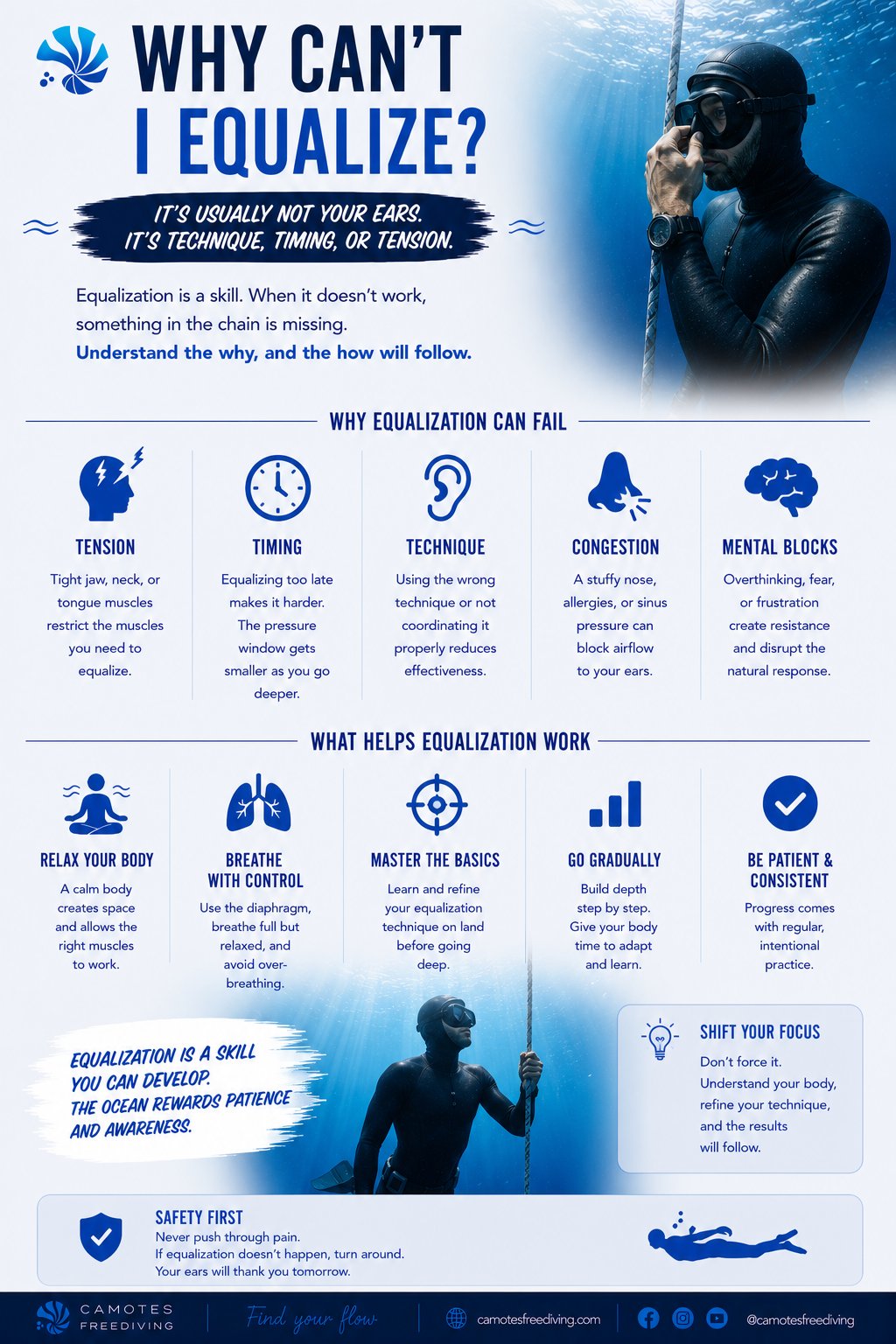
If I had to guess which question I’ve answered the most during my career as a freediving instructor, it would probably be this one: “Why can’t I equalize?” I’ve heard it from complete beginners. I’ve heard it from divers who were convinced they would never dive deeper than five meters. The interesting thing is that, most of the time, the problem isn’t what they think it is. People often assume they have “bad ears.” Or the wrong anatomy. Or simply “can’t do it.” In reality, equalization is one of the most misunderstood skills in freediving. And in my experience, almost every problem has a logical explanation. Let’s look at the most common ones.
- You’re Waiting Too Long
This is, by far, the biggest mistake I see. Many beginners wait until they feel pressure. Unfortunately, by then you’re already behind. Think of equalization like maintaining speed on a bicycle going uphill. If you wait until you’ve almost stopped… It’s much harder to get moving again. Equalize before you need to. Every dive. Every time.
- You’re Descending Too Fast
Many divers think faster is better. Actually… Faster gives you less time to equalize. If you’re struggling, slow everything down. A slower descent gives your body time to react calmly. There’s no prize for reaching ten meters ten seconds sooner.
- You’re Looking Down
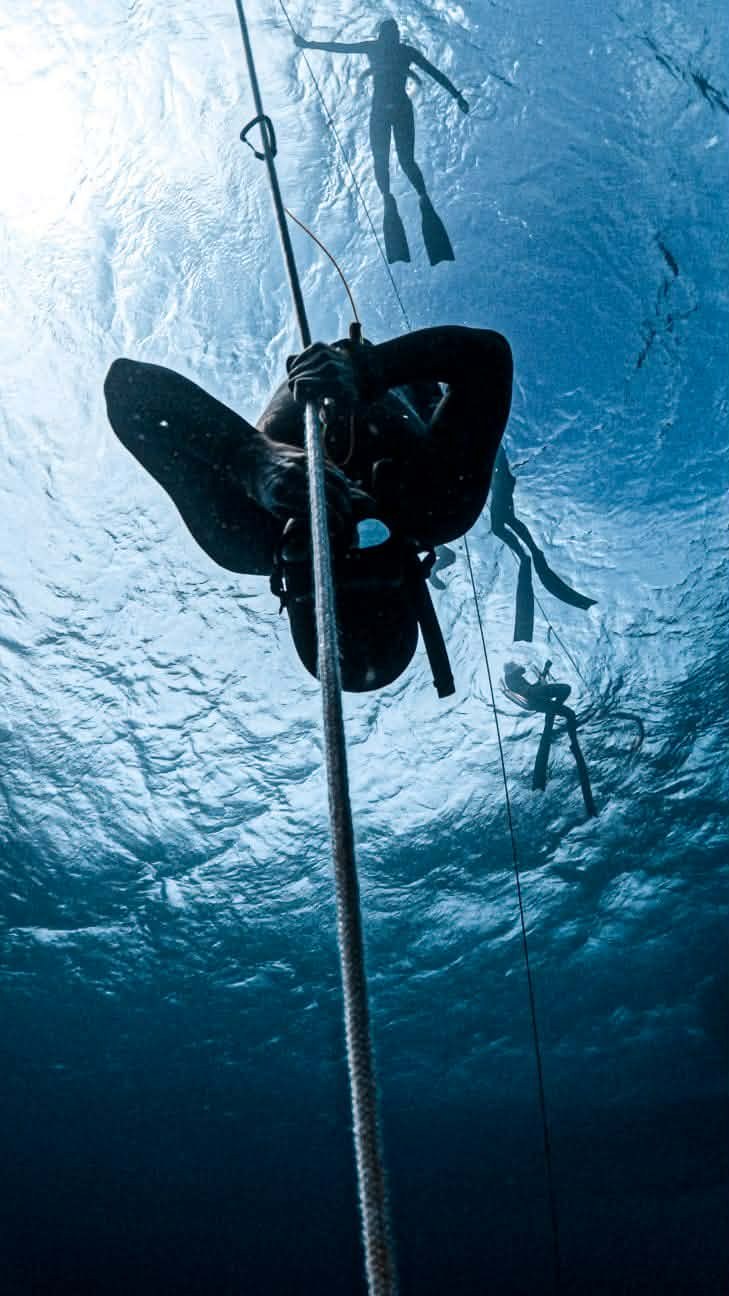
This tiny detail causes enormous problems. When your chin drops toward your chest, the structures involved in equalization become less efficient. Try keeping your neck long and your head neutral. One small adjustment can completely change the feeling.
- Your Jaw Is Tight
This one surprises people. Watch someone struggling to equalize. Very often you’ll notice clenched teeth, tight lips, rigid jaw muscles. Equalization likes relaxation. Before every dive, simply ask yourself: “Can I soften my jaw?” Sometimes that’s enough.
- You’re Holding Too Much Tension
Equalization isn’t just about your ears. It’s about your entire body. If your shoulders are raised… Your hands are clenched… Your breathing feels rushed… Your equalization will often become more difficult. The body works as one system.
Relaxation Is the Greatest Performance Enhancer in Freediving
- You’re Trying Too Hard
This sounds strange. But many divers literally try too hard to equalize. They blow harder. Push harder. Force harder. Almost never the solution. Gentle. Precise. Frequent. Those three words describe good equalization much better than “strong.”
- You’re Using the Wrong Technique
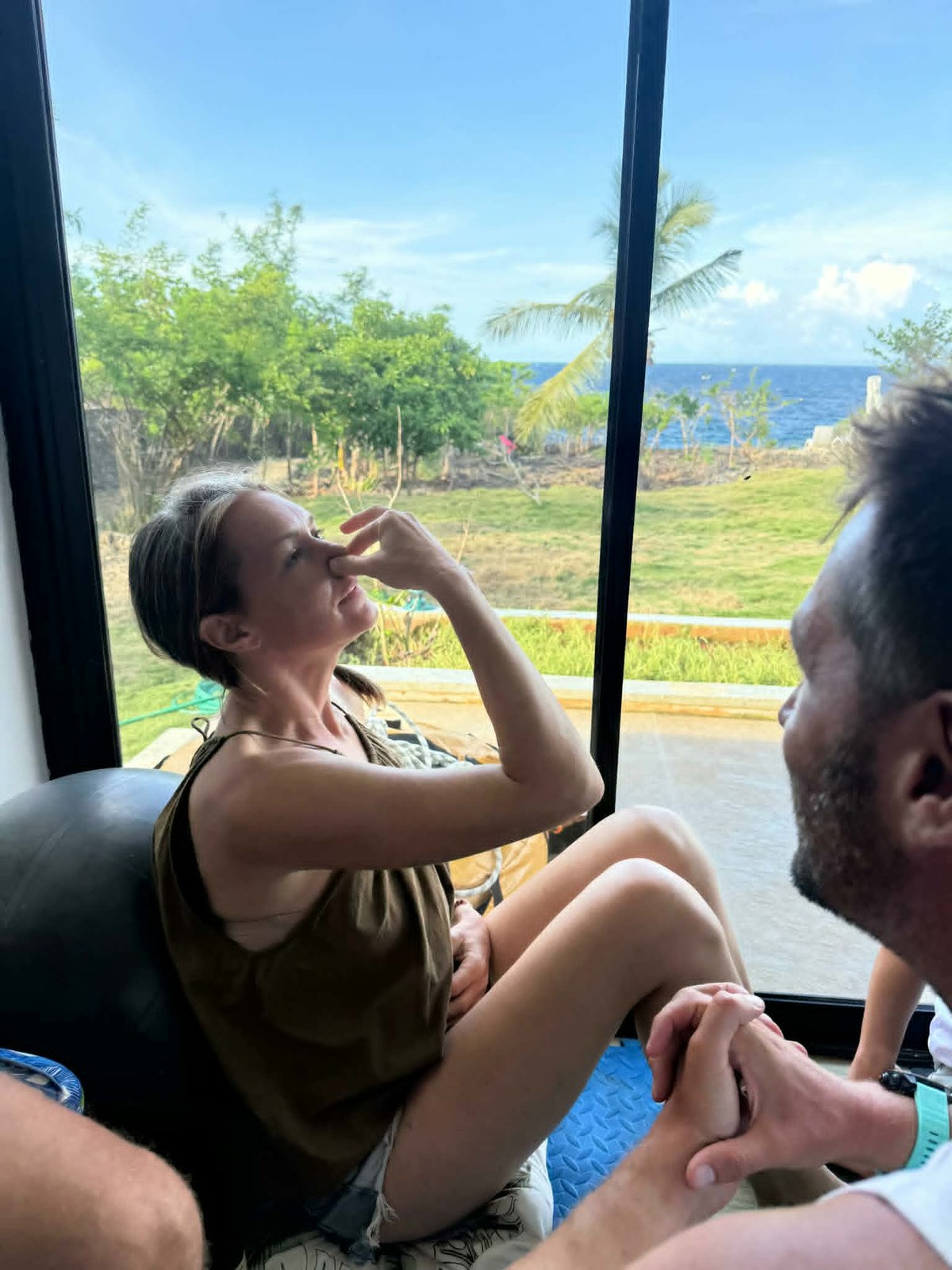
Many beginners rely on the Valsalva maneuver. It works near the surface. Then suddenly… It stops working. That’s completely normal. Freedivers eventually transition to Frenzel because it uses the tongue rather than the lungs to generate pressure. If Valsalva is limiting you, it may simply be time to learn a more efficient technique.
- You’re Thinking Too Much
One thing I’ve noticed over the years is that equalization often becomes worse the more someone analyzes it. They’re thinking about tongue position, soft palate, glottis, larynx, jaw, neck, pressure. Suddenly equalization feels impossibly complicated. Sometimes the best thing you can do is simplify. Focus on one cue. Not ten.
- Your Timing Is Inconsistent
Good equalizers don’t perform one huge equalization. They perform many tiny ones. Smooth. Gentle. Continuous. Almost rhythmic. Consistency matters much more than force.
- You’re Practicing Only in the Water
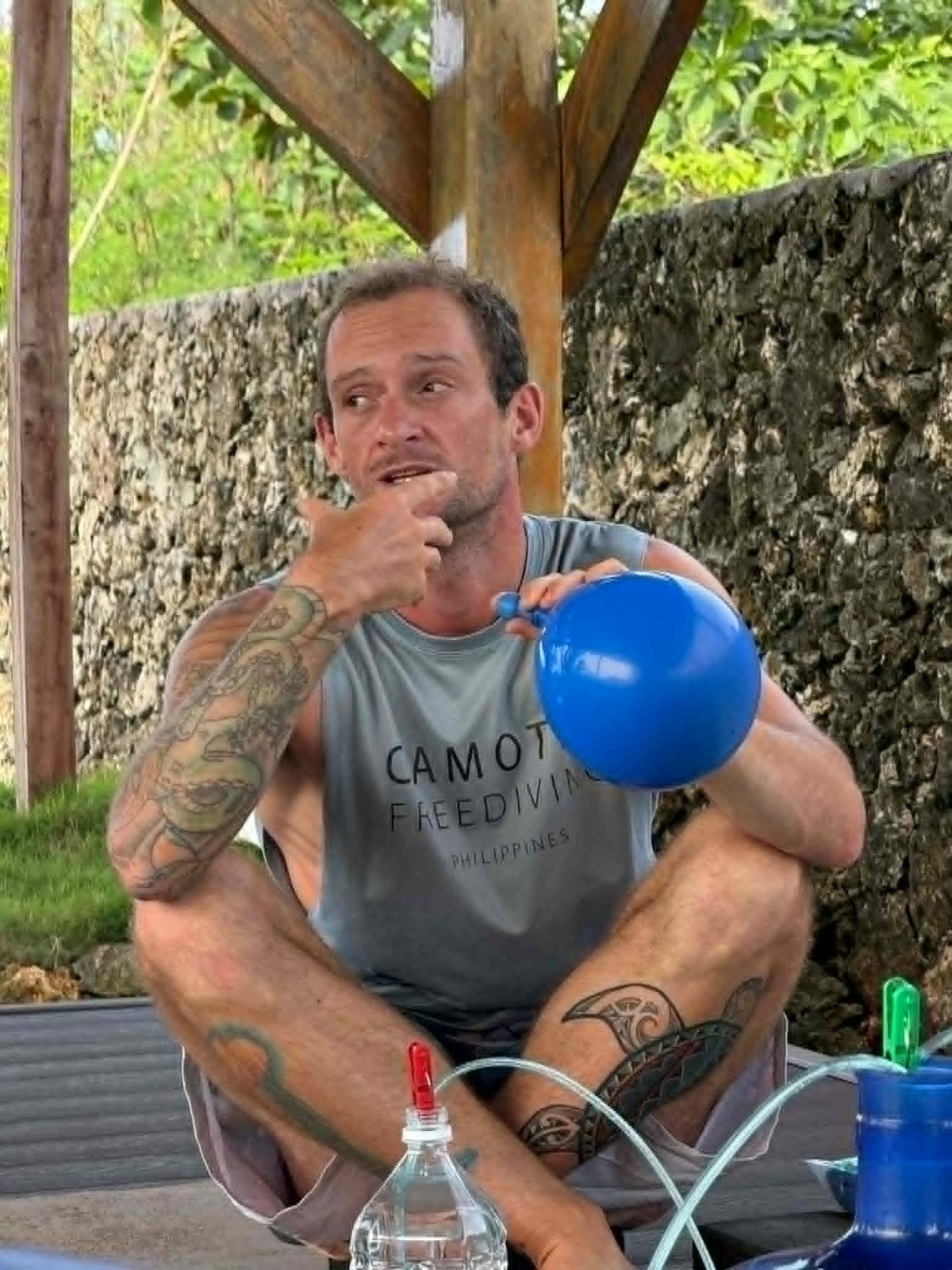
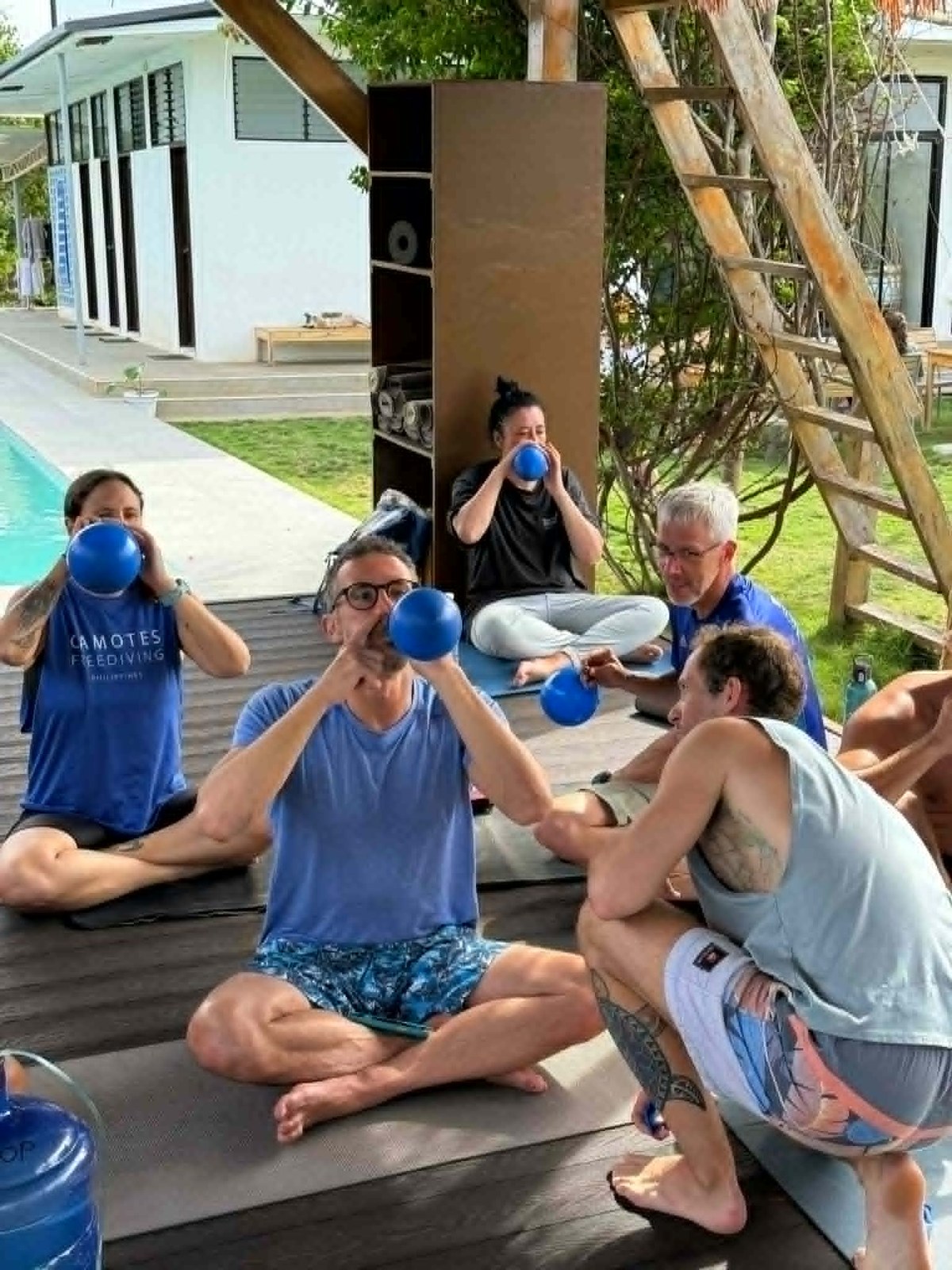
Imagine trying to learn piano… Only during concerts. It wouldn’t make much sense. Equalization is exactly the same. Dry practice allows you to understand the movement without the distractions of depth, buoyancy and pressure. Some of the biggest breakthroughs I’ve seen happened in a classroom rather than underwater.
- You’re Frustrated
Coach’s Tip: Change only one variable at a time when troubleshooting equalization. Otherwise you’ll never know what actually fixed the problem.
This may be the most underestimated factor. Frustration creates tension. Tension makes equalization harder. Poor equalization creates more frustration. The cycle continues.
Whenever I see this happening, I usually suggest something unexpected. Stop worrying about depth for today. Let’s simply become curious about the movement. Curiosity almost always teaches faster than frustration.
- You Might Actually Need Medical Advice
One Mistake I See Often: When equalization fails, students immediately blame their ears. More often, the real cause is technique, timing or unnecessary tension.
Although uncommon… Occasionally an anatomical issue genuinely exists. Congestion, sinus problems, inflammation, eustachian tube dysfunction. If you’ve worked with experienced instructors, practiced consistently and still struggle significantly, consulting an ENT physician familiar with diving may be appropriate. There’s no shame in asking for expert medical advice.
The Biggest Mistake of All
If I had to choose only one… It would be believing that equalization should happen automatically. Like every skill, it requires practice. Some students understand it in ten minutes. Others need several weeks. Both are normal. Progress isn’t a race.
What I’ve Learned After Coaching Hundreds of Divers
One thing still fascinates me. I’ve watched students arrive convinced they would never dive deeper than six meters. Sometimes one tiny adjustment changes everything. A different head position. Better timing. A relaxed jaw. Suddenly they’re smiling instead of struggling. That’s one of the reasons I enjoy teaching equalization so much. Small details can completely transform someone’s freediving.
My Advice
If you’re currently struggling… Don’t assume you’ve reached your limit. Instead, ask yourself: “What haven’t I understood yet?” That question opens possibilities. The other one closes them.

Five Things to Try on Your Next Dive
Before your next training session, focus on these five simple ideas.
- Equalize before you feel pressure.
Stay ahead of the compression.
- Descend more slowly.
Give yourself time.
- Relax your jaw.
Less tension usually means better movement.
- Practice Frenzel on land.
Five quality minutes every day are worth much more than occasional marathon sessions.
- Stop forcing.
If something doesn’t work, become curious instead of aggressive.
Frequently Asked Questions
Why can I equalize one ear but not the other?
This is very common. Minor anatomical differences, congestion, previous injuries, or subtle technique differences can affect each ear differently.
Why does equalization stop working deeper?
Most often because you’re relying on Valsalva instead of Frenzel, or because timing becomes less consistent as pressure increases.
Should equalization ever hurt?
No. Pressure is information. Pain is a signal to stop. Never push through ear pain.
Can stress affect equalization?
Absolutely. Mental stress often increases muscle tension throughout the neck, jaw and throat, making equalization more difficult.
Can almost everyone learn?
In my experience… Yes. Most people simply need better technique, better coaching and more patience.
Final Thoughts
One of the biggest misconceptions in freediving is that equalization is something you’re either born with… Or not. I don’t believe that. I’ve watched too many students prove the opposite. People who were convinced they’d never progress. People who thought their ears simply “didn’t work.” People who almost gave up. Then something clicked. Not because their anatomy changed. Because their understanding changed. That’s why I still believe equalization isn’t really about your ears. It’s about learning a new language. At first, nothing makes sense. Then one day… You stop translating. You simply speak it. Equalization eventually feels the same.
Further Reading:
How to Equalize Your Ears for Freediving
How to Learn the Frenzel Technique
How Do You Know If You Are Using Frenzel?


