

Do You Need to Be a Good Swimmer to Learn Freediving?
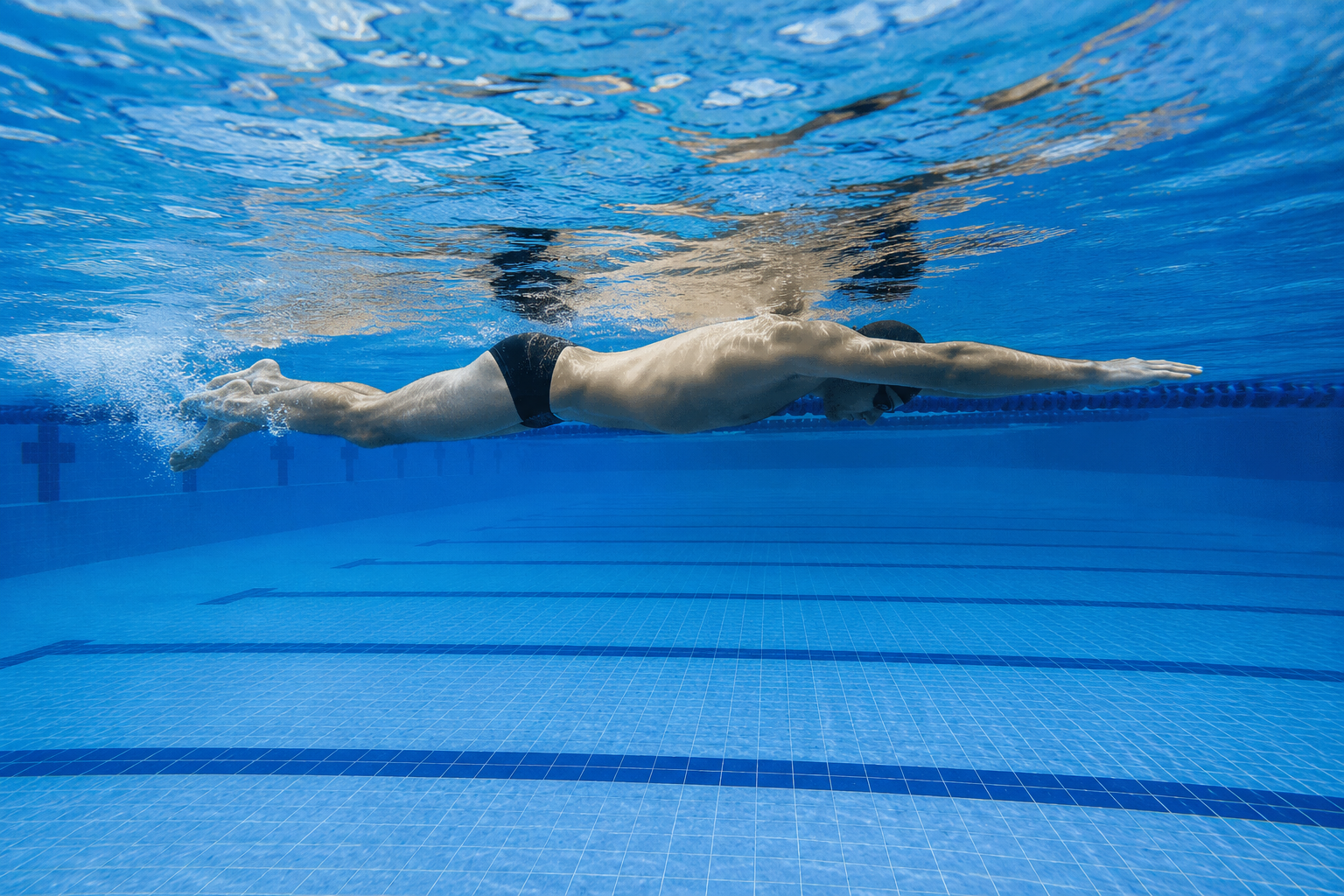
One of the questions I receive almost every week is surprisingly simple. “I’d love to try freediving… but I’m not a very good swimmer. Can I still do it?” The answer usually surprises people. Yes. You don’t need to be a competitive swimmer to become a freediver. In fact, some of the best freedivers I’ve coached had very little swimming experience before taking their first course. On the other hand, I’ve also met excellent swimmers who found freediving unexpectedly challenging. Why? Because although swimming and freediving both happen in the water, they require very different skills.
Swimming and Freediving Are Different Sports
Imagine asking whether being a great runner automatically makes you a great cyclist. Both involve endurance. Both use your legs. But they’re very different sports. Swimming and freediving are similar. Swimming often rewards:
- Speed
- Power
- Continuous movement
- Cardiovascular fitness
Freediving rewards:
- Relaxation
- Efficiency
- Breath control
- Body awareness
- Calmness
Those are very different qualities.
Can Anyone Learn to Freedive

You Don’t Need Perfect Technique
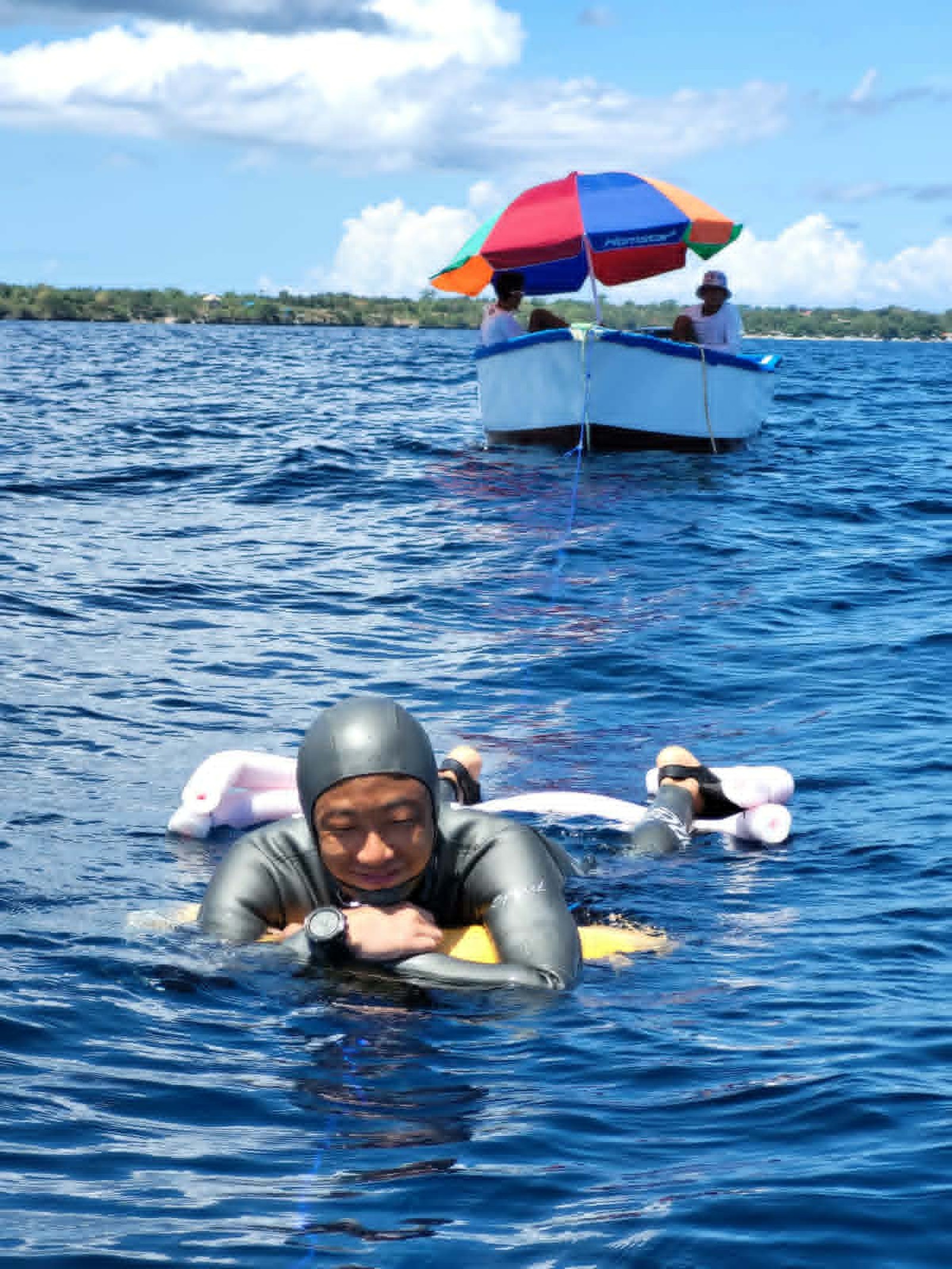
Some people delay taking a freediving course because they think they need months of swimming lessons first. Most don’t. Can good swimming technique be helpful? Of course. But it’s rarely what determines success during a beginner course. I’ve seen people with beautiful freestyle technique struggle to relax underwater. I’ve also seen people with average swimming ability become excellent freedivers because they naturally understood how to move slowly and efficiently.
What Skills Do You Actually Need?
For a beginner freediving course, you don’t need to be an athlete. You simply need to feel reasonably comfortable in the water. That usually means being able to:
- Swim comfortably without panic.
- Float at the surface.
- Follow instructions.
- Stay calm in the water.
Everything else can be learned. That’s exactly what the course is for.
Comfort Matters More Than Speed
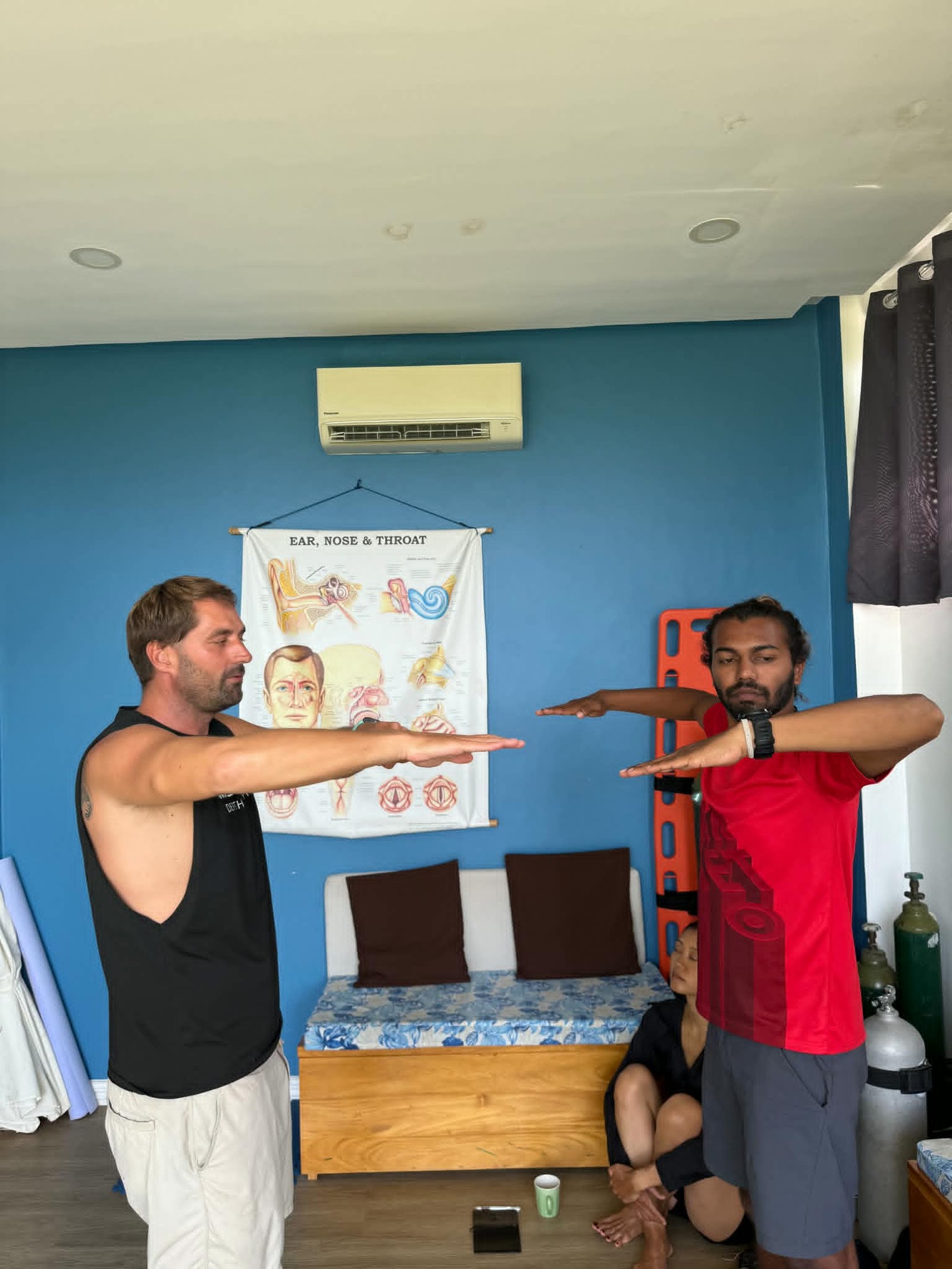
One of the biggest differences between swimming and freediving is that speed usually isn’t the objective. In fact… Trying to move quickly underwater often makes you a worse freediver. Every unnecessary movement consumes oxygen. The goal isn’t to move faster. It’s to move better. Sometimes the slowest diver is actually the most efficient.
Many Swimmers Need to Slow Down
This is something I’ve noticed repeatedly. Competitive swimmers often arrive with outstanding fitness. But they also arrive with habits that don’t always transfer well. They’re used to: Swimming hard, breathing frequently, maintaining rhythm through effort. Freediving asks almost the opposite. Slow down, relax, reduce effort, use as little energy as possible. For some swimmers, that transition is surprisingly difficult.
Confidence in Water Is More Important
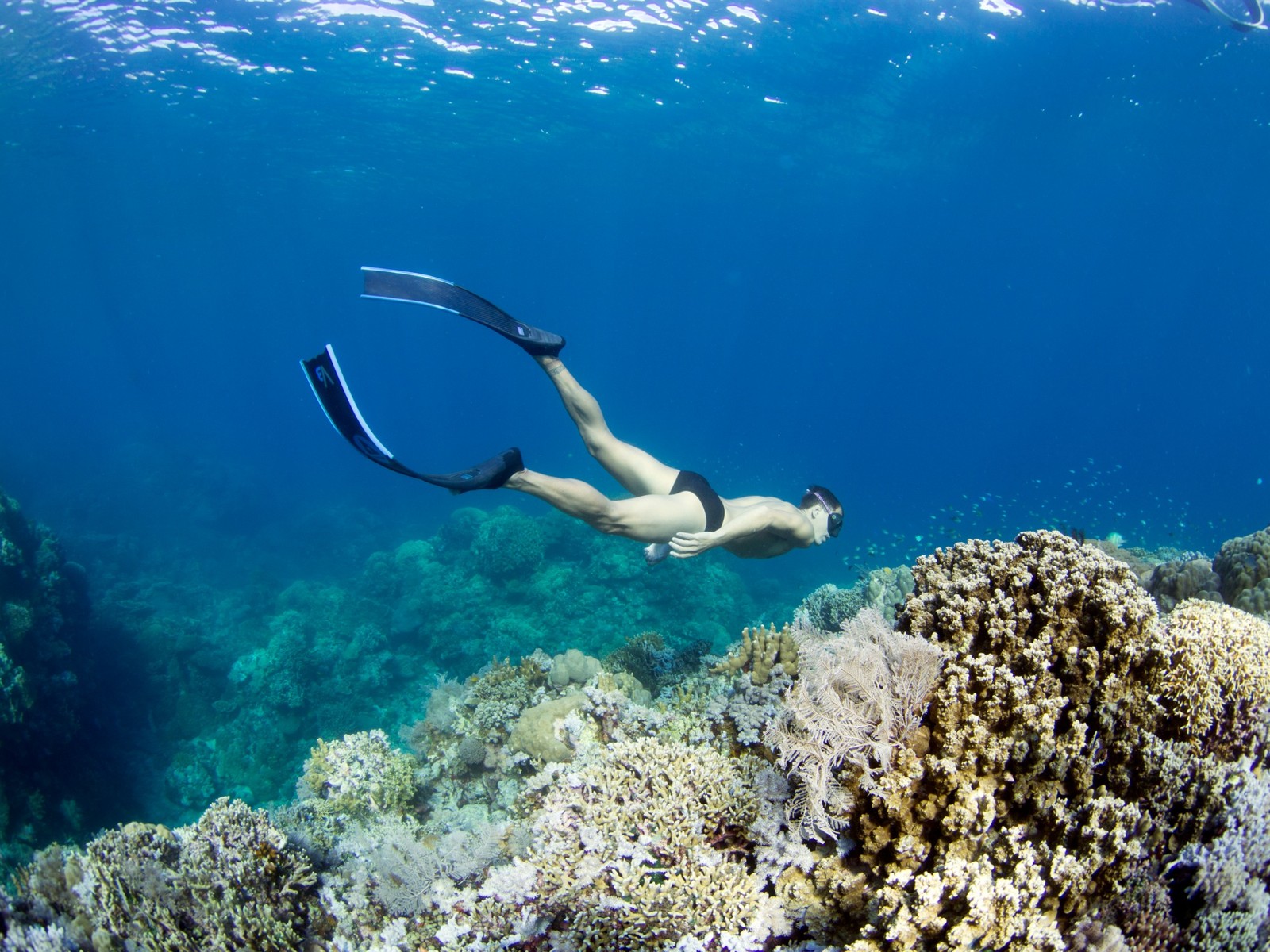
If I had to choose between two students… One is an excellent swimmer who feels anxious underwater. The other is an average swimmer who feels completely relaxed. I’d probably expect the second student to progress more quickly. Confidence allows learning. Anxiety often blocks it. That’s why creating a relaxed environment is one of the most important parts of a beginner course.
You Learn Gradually
Nobody begins their first freediving course by diving deep. Everything is progressive. You learn:
- How to breathe.
- How to equalize.
- How to duck dive.
- How to move efficiently.
- How to recover safely.
Each new skill builds on the previous one. There is no pressure to perform immediately.
Freediving Is Surprisingly Accessible
One of the things I love most about teaching beginners is seeing people surprise themselves. Someone arrives convinced they’ll struggle. Two days later they’re smiling after their deepest dive ever. Not because they suddenly became stronger. Because they discovered that freediving isn’t about strength. It’s about understanding. Understanding your breathing. Understanding relaxation. Understanding your body. That’s available to almost everyone.
My Experience as an Instructor
After teaching hundreds of students over the years, I’ve learned something interesting. The students who progress the fastest are rarely the strongest. Or the fastest swimmers. They’re usually the ones who are curious. Who listen carefully. Who stay patient. Who enjoy learning. Those qualities matter far more than swimming speed.
What If You’re Nervous?
Being nervous before your first course is completely normal. Almost everyone is. The important thing is choosing instructors who create a calm and supportive learning environment. Good instructors don’t expect perfection. They expect curiosity. Your first course isn’t an exam. It’s an introduction.
The Mental Side of Freediving (Article 9)
Five Things That Matter More Than Swimming Ability
- Curiosity
Students who ask questions usually learn faster.
- Relaxation
A calm body uses less oxygen.
- Patience
Freediving rewards gradual progress.
- Listening
Good coaching only works if you’re willing to learn.
- Consistency
Small improvements repeated over time create remarkable results.
Frequently Asked Questions
Can I learn freediving if I’m not a strong swimmer?
Yes. You don’t need to be an excellent swimmer. Basic water confidence and the ability to swim comfortably are usually sufficient for a beginner course.
Do competitive swimmers have an advantage?
Sometimes, but not always. They often have excellent fitness, while freediving requires additional skills such as relaxation, equalization and breath control.
Will a freediving course teach me swimming?
No. A freediving course teaches breath-hold diving skills rather than swimming technique, although you’ll naturally become more comfortable moving in the water.
What if I’m nervous in the water?
That’s perfectly normal. A good instructor will help you progress gradually and never rush your learning.
Can someone who has never snorkeled become a freediver?
Absolutely. Many people discover snorkeling and freediving at the same time during their first course.
Final Thoughts
One of the greatest misconceptions about freediving is that it’s reserved for exceptional athletes or elite swimmers. It isn’t. Some of the most inspiring students I’ve ever taught weren’t the strongest. They weren’t the fastest. They weren’t the most experienced in the water. They were simply willing to learn.
Freediving has a remarkable way of rewarding qualities that aren’t always celebrated in other sports. Patience, awareness, curiosity, humility, relaxation. Those qualities don’t depend on how fast you swim. They depend on how willing you are to understand yourself. And that’s one of the reasons I believe freediving is a sport that almost anyone can enjoy. You don’t need to arrive as an expert. You just need to arrive with an open mind.
Further Reading:
How to Improve Your Breath Hold
Why Camotes Freediving Is More Than Just a Freediving School
The Ultimate Guide to Freediving in the Philippines


