

Can Anyone Learn to Freedive? What Really Determines Success
Can Anyone Learn to Freedive? What Really Determines Success
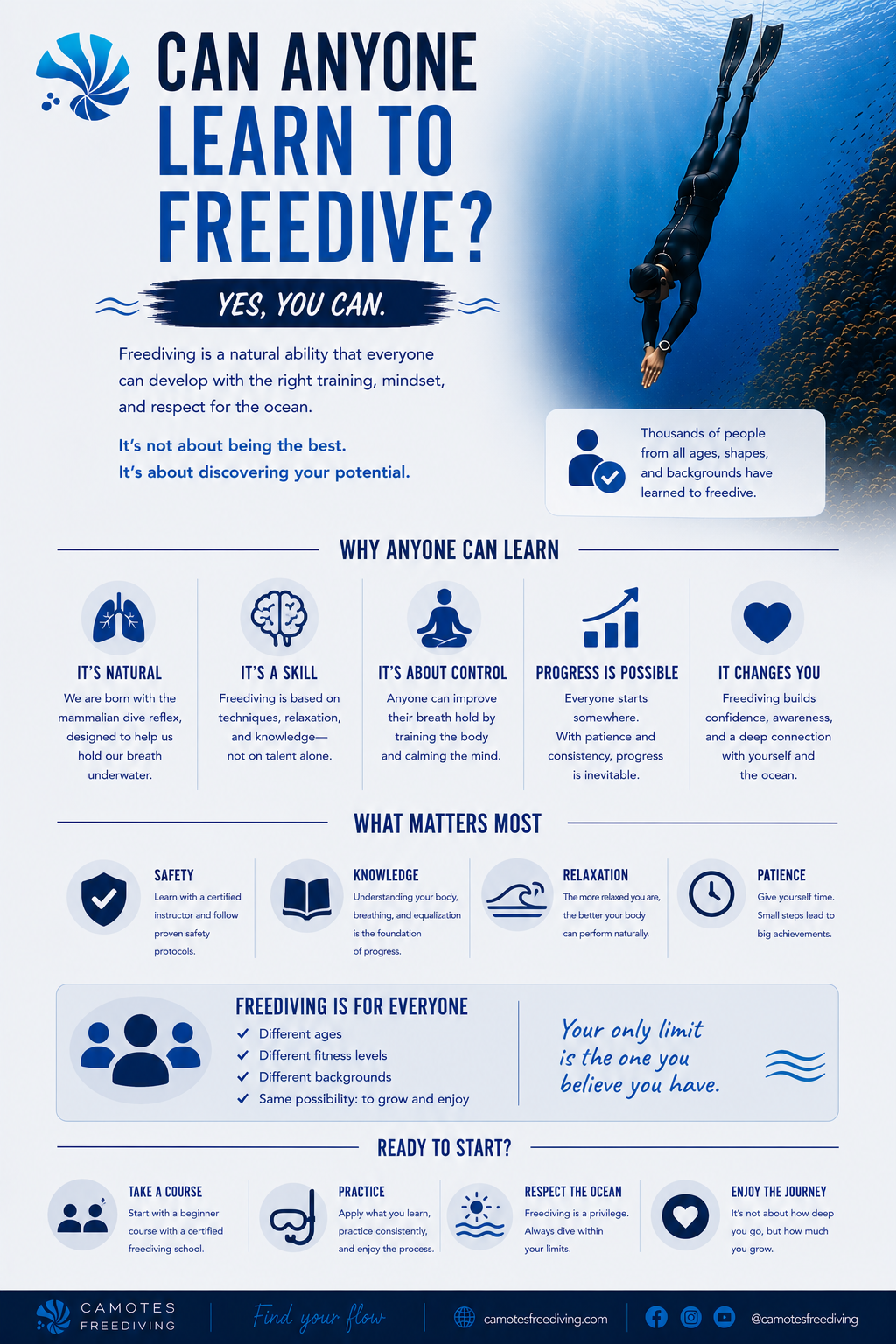
Every week I receive emails that begin with some version of the same sentence. “I’d love to try freediving, but I’m not sure I’m the right kind of person for it.” Sometimes they tell me they’re too old. Sometimes they say they’re not athletic. Others worry because they have small lung or are smokers. Some simply admit they’re afraid of the ocean. My answer is almost always the same. You’re probably much more capable than you think.
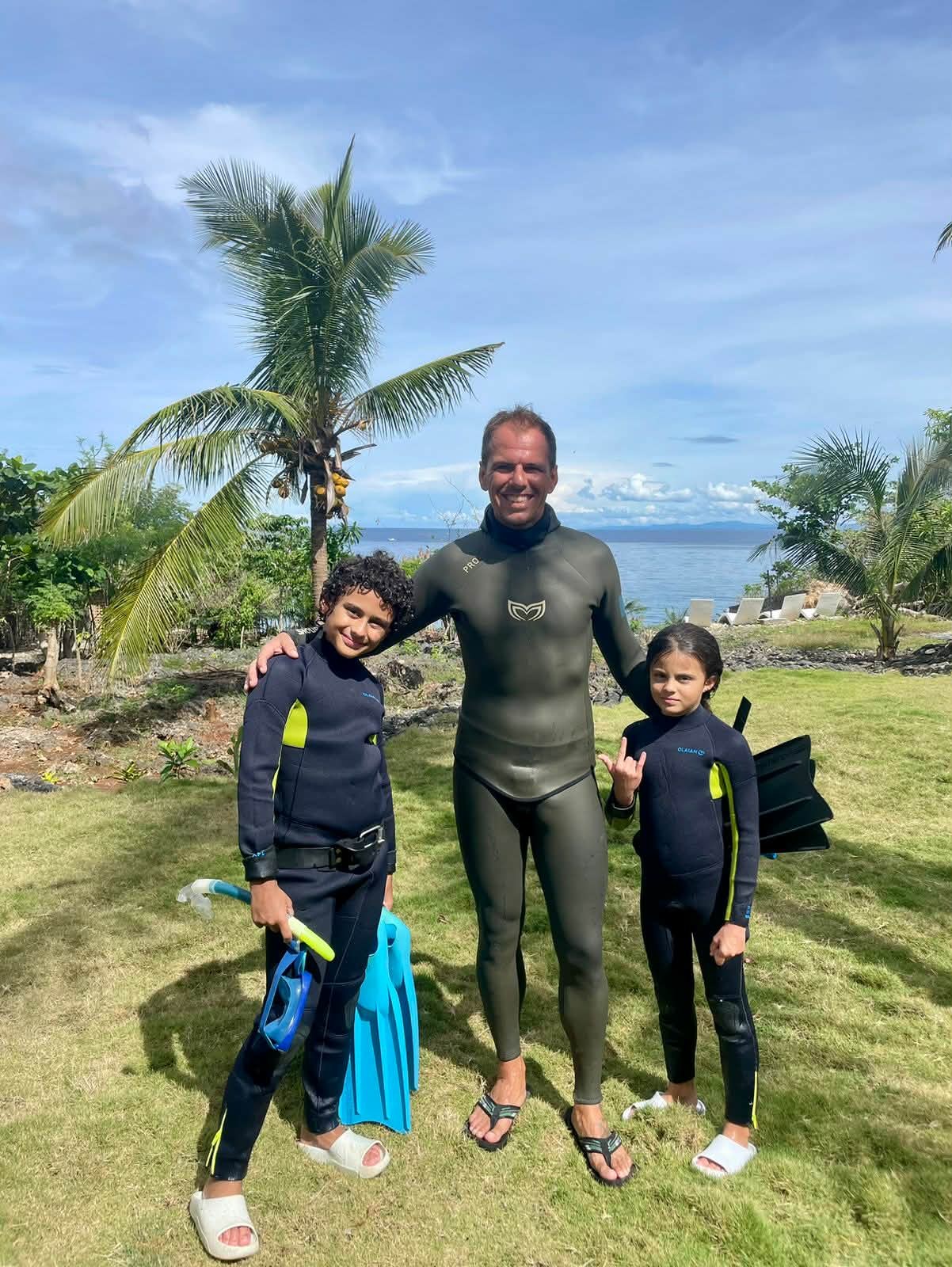
After coaching hundreds of students from all over the world—from teenagers to retirees, from professional athletes to people who had never considered themselves “sporty”—I’ve learned something that completely changed the way I see human potential. The people who become the best freedivers are rarely the people you would expect.
What I Tell My Students: Your starting point doesn’t determine your potential. Patience and consistency matter far more than natural ability.
The Biggest Myth About Freediving
Many people imagine that freediving is reserved for exceptional people. Huge lungs. Elite fitness. Fearless personalities. Perfect bodies. None of that is true. Of course, some physical characteristics can help. But they are nowhere near as important as most beginners imagine. In fact, I’ve watched incredibly athletic people struggle during their first course. I’ve also watched complete beginners surprise themselves within just a few hours. Freediving has a remarkable way of challenging our assumptions.
You Don’t Need Extraordinary Lungs
This is probably the biggest misconception of all. People assume that elite freedivers simply have enormous lungs. Some do. Many don’t. Lung capacity certainly influences performance at the highest level. But for beginners, it’s absolutely not a limiting factor. Most people use only a fraction of their actual potential because they haven’t learned how to relax efficiently. Teaching someone to reduce unnecessary tension often improves their diving much more than increasing lung volume ever could.

Fitness Helps—But It’s Not What You Think
When highly trained athletes join beginner courses, they often expect to perform well immediately. Sometimes they do. Sometimes they don’t. Why? Because many sports reward effort. Freediving rewards efficiency. A marathon runner may have exceptional endurance. A weightlifter may have incredible strength. Neither automatically knows how to relax underwater. That’s a completely different skill.
Why Relaxation Is More Important Than Fitness in Freediving
I’ve Taught Students From Every Background
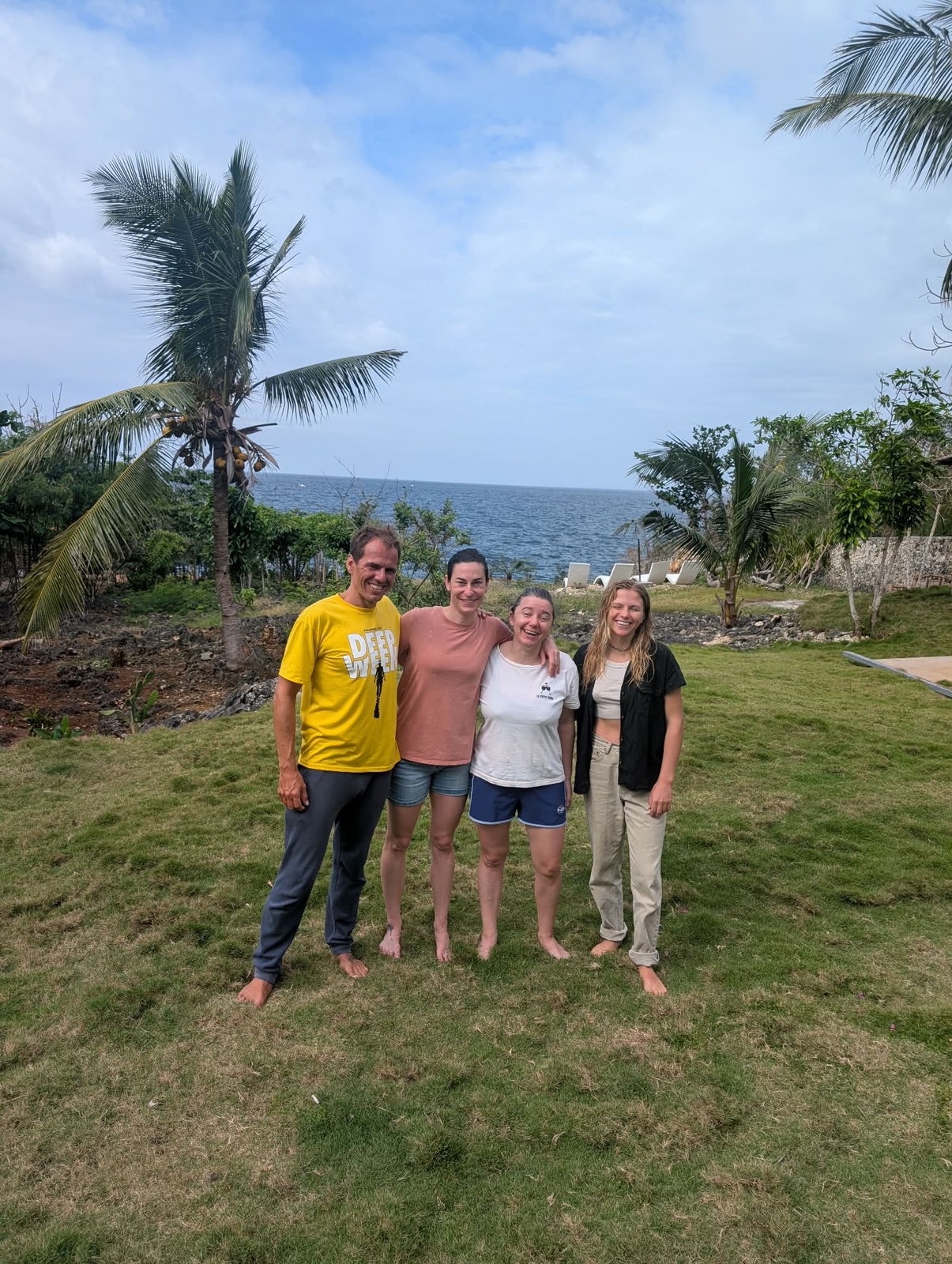
One of the things I enjoy most about teaching is seeing the incredible diversity of people who discover freediving. Over the years I’ve taught: Teachers, engineers, doctors, students, retired couples, professional athletes, scuba divers, people who were initially afraid of putting their face underwater… Every one of them started in exactly the same place. Their first breath.
Age Is Much Less Important Than People Think
Another question I hear constantly is: “Am I too old to start?” Honestly… I’ve seen people in their sixties and seventies discover freediving for the first time. Some progressed remarkably quickly. Age certainly influences recovery and physical performance. But freediving depends on so many other qualities. Patience, awareness, body control, emotional regulation. These often improve with life experience. I’ve seen mature students outperform younger ones simply because they were more patient.
Fear Doesn’t Stop Good Freedivers
Many beginners believe experienced freedivers aren’t afraid. That’s simply not true. Fear is completely normal. The difference is that experienced divers learn how to respond to fear. Fear tells us to pay attention. To prepare. To stay humble. It doesn’t have to stop us. Some of the most successful students I’ve coached were nervous on their first day. That nervousness gradually transformed into confidence—not because the fear disappeared, but because they gained knowledge and experience.
The Students Who Improve the Fastest
From My Experience: I’ve coached people of all ages and backgrounds. The biggest predictor of success is willingness to learn.
People often ask me if I can predict who will become a good freediver. Sometimes. But probably not for the reasons you’d expect. The students who improve fastest usually have three qualities.
They’re Curious. Instead of asking: “How deep should I be?”, They ask: “Why did that happen?”. Curiosity accelerates learning.
They’re Patient
They don’t expect perfection immediately. They understand that learning takes time. Ironically, they often progress faster because they don’t rush.
They Listen
Good students aren’t trying to prove something. They’re trying to understand something. That attitude changes everything.
The Biggest Limitation Is Usually Mental
If there’s one lesson I’ve learned after coaching hundreds of freedivers, it’s this: Most limits appear in the mind long before they appear in the body. People decide they can’t equalize. They decide they aren’t relaxed enough. They decide they’re not talented. Eventually those stories become reality. Not because they’re true. Because they’re believed. One of my favourite moments as an instructor is watching someone discover that the limitation they believed in simply wasn’t there.
Freediving Rewards Different Qualities
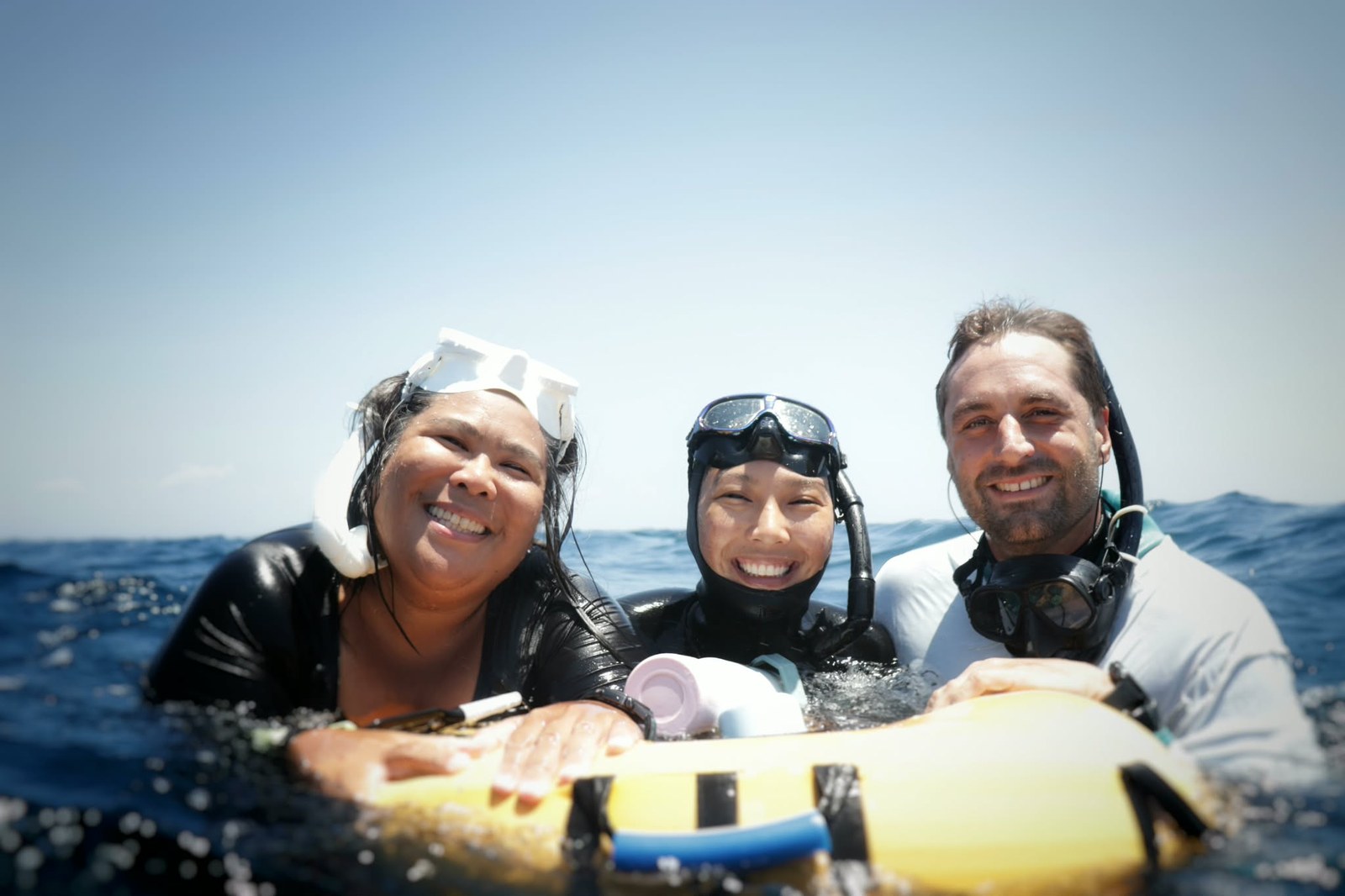
Many sports reward aggression. Freediving rewards calmness. Many sports reward power. Freediving rewards precision. Many sports reward intensity. Freediving rewards patience. That’s why people who have never considered themselves “athletic” often discover that freediving suits them surprisingly well. It values qualities that many other sports overlook.
You Don’t Need to Be Comfortable in the Ocean
Another misconception. Many beginners arrive convinced they need years of ocean experience. You don’t. That’s exactly why beginner courses exist. Everything is taught progressively. You begin with simple skills. As confidence grows, more advanced skills naturally follow. Nobody expects you to arrive already knowing how to freedive.
The Most Important Requirement
People often ask me: “What’s the one quality every freediver needs?” If I could only choose one… It wouldn’t be lung capacity, or flexibility, or fitness … It would be humility, the willingness to learn, to accept feedback, to progress gradually. The ocean has a way of teaching humility to all of us. The students who embrace that lesson usually enjoy the journey the most.
What Happens During a Beginner Course
Many people imagine they’ll spend the weekend constantly pushing themselves. Actually… Most beginner courses are surprisingly relaxed. You’ll learn:
- How to breathe.
- How to equalize.
- How to move efficiently.
- How to rescue another diver.
- How to stay safe.
- How to relax.
Everything progresses step by step. Nobody expects you to become an expert in two days and a half.

Why I Love Teaching Beginners
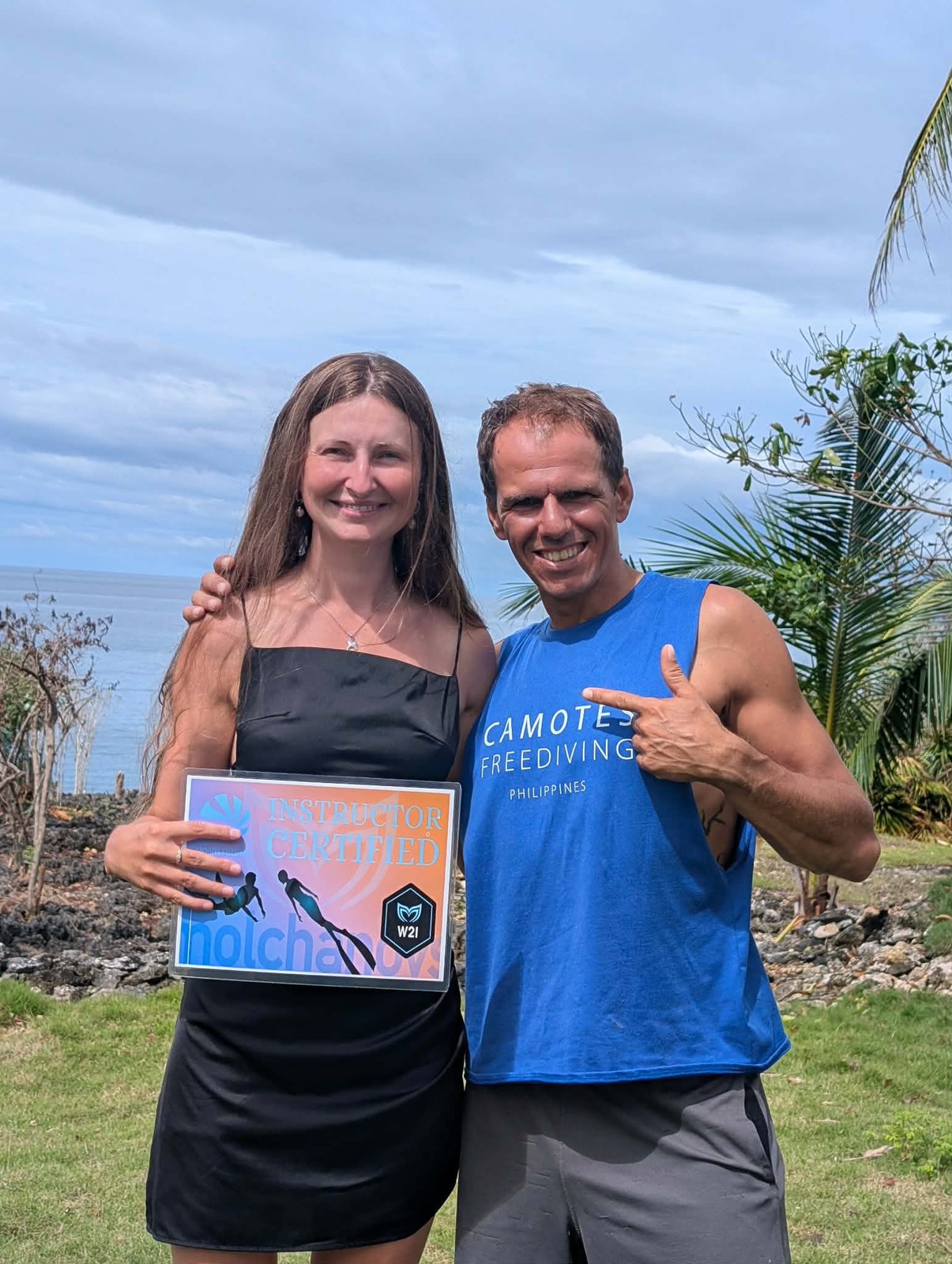
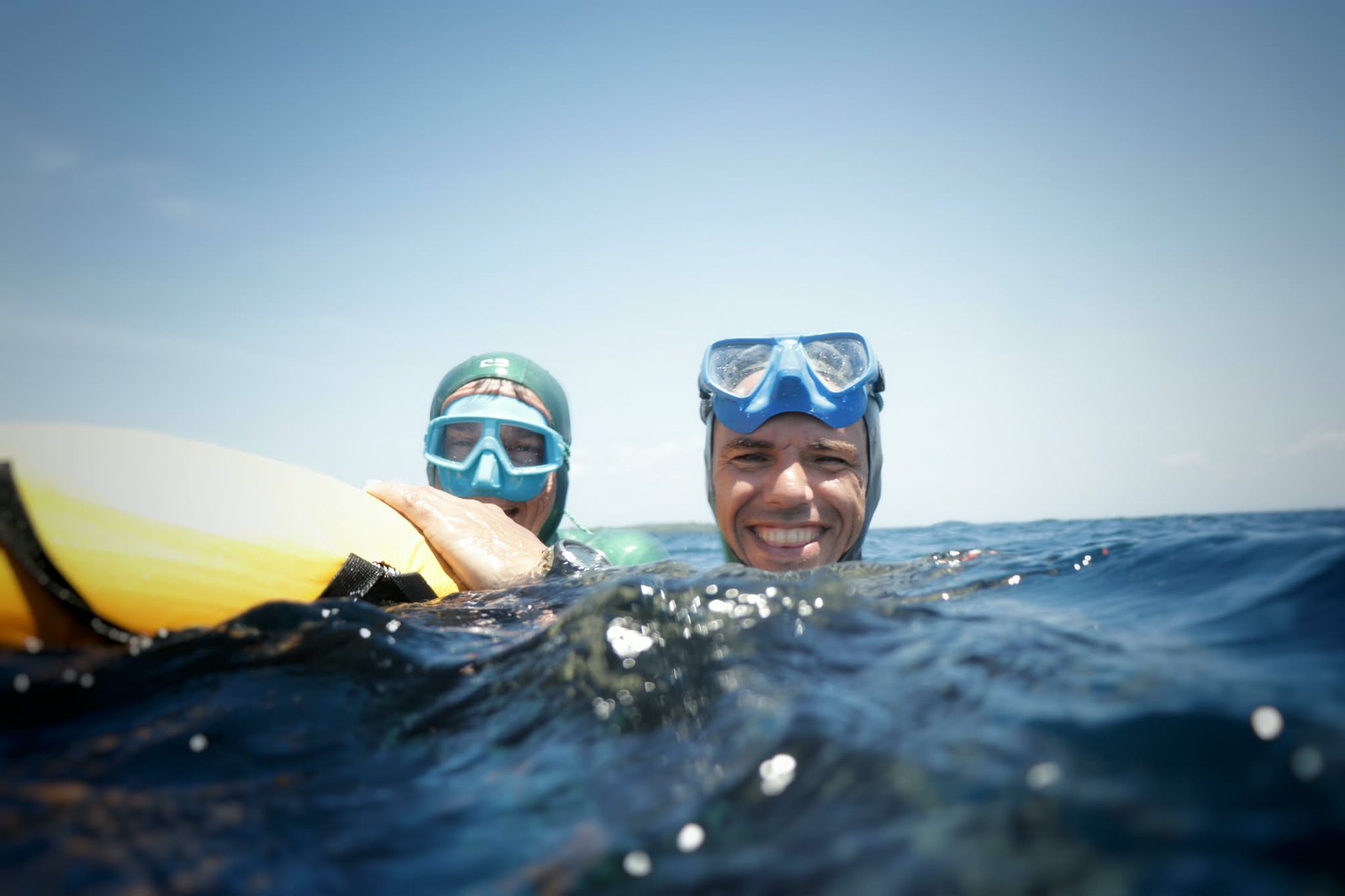
After all these years, people sometimes ask whether I prefer coaching elite athletes. The truth is… Watching someone complete their first comfortable dive is still one of the most rewarding experiences I know. Because something changes. They stop seeing themselves as someone who “can’t.” They start seeing themselves as someone who is learning. That shift often extends far beyond freediving.
My Advice If You’re Hesitating
If you’ve been thinking about trying freediving but keep wondering whether you’re capable… Stop asking whether you’re naturally talented. Start asking whether you’re curious enough to learn. Talent is often overrated. Curiosity rarely is.
Frequently Asked Questions
Do I need to be athletic to learn freediving?
No. A reasonable level of general health is enough for most people to begin. Relaxation, technique, and good coaching matter far more than exceptional fitness.
Am I too old to start freediving?
Almost certainly not. I’ve taught students of many different ages, including people who started well into retirement.
What if I’m afraid of the ocean?
That’s completely normal. Good instruction builds confidence gradually, allowing you to become comfortable at your own pace.
Do I need big lungs?
No. While lung capacity plays a role at the highest level, most beginners improve dramatically through better relaxation and technique rather than larger lungs.
How do I know if freediving is for me?
The simplest answer is this: Try it. Most people discover the answer much faster than they expected.
Final Thoughts
One of the greatest privileges of my job is watching people surprise themselves. Not because they suddenly become extraordinary. Because they discover they were capable all along. Freediving has taught me that human potential is often much greater than we believe. Not because we’re stronger than we think. But because we’re calmer than we realize. More adaptable than we imagine. More capable of learning than we give ourselves credit for.
If you’ve been wondering whether freediving is for you… There’s only one way to find out. Take that first breath. The rest of the journey begins there.
Further Reading:
Everything You Need to Know Before Taking Your First Freediving Course
What Happens During Your First Freediving Course
How Long Can the Average Person Hold Their Breath


