

How to Choose the Best Freediving School: 15 Things to Look For
If you’ve decided to learn freediving, congratulations. You’re about to discover one of the most rewarding sports I’ve ever encountered. But before you book your first course, you’ll probably face another question.
How do you choose the right freediving school?
At first glance, many schools look remarkably similar. Beautiful blue water. People smiling on boats. Students holding certificates. Professional-looking websites. So how do you know which one is right for you?
After teaching for more than a decade, training athletes from around the world, and visiting many freediving centers internationally, I’ve developed a simple belief. A freediving school should never be judged by the deepest diver it has produced. It should be judged by how well it teaches complete beginners. That’s where everything begins.
1. Safety Should Be the First Thing You Notice
This might seem obvious. Yet surprisingly few people actually evaluate it. Before looking at the photos. Before comparing prices. Before checking accommodation. Ask yourself: How does this school talk about safety? Do they explain buddy procedures? Do they emphasize rescue skills? Do they discuss supervision? Do they talk about education instead of simply depth? A good school doesn’t hide safety in the fine print. It makes safety part of its identity.
Is Freediving Dangerous? Myths and Reality
2. Look Beyond Beautiful Photos
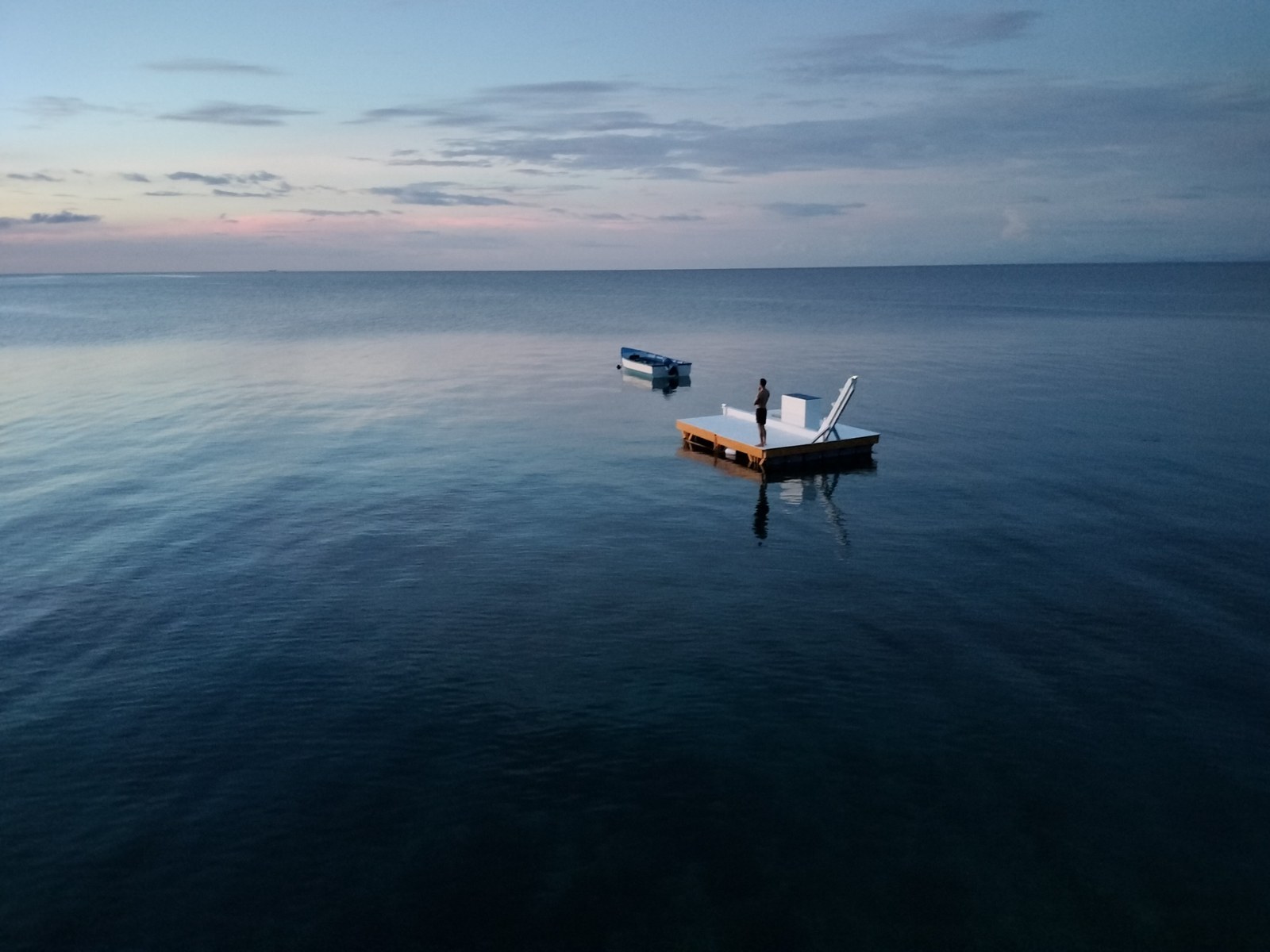
Every freediving school has beautiful pictures with crystal-clear water, perfect sunsets and happy students. Those photos are wonderful, but they don’t tell you how the school teaches. Instead, ask questions like: How many students are in each group? how much individual feedback do students receive? How experienced are the instructors? These answers matter far more than another drone shot.

3. Small Groups Matter
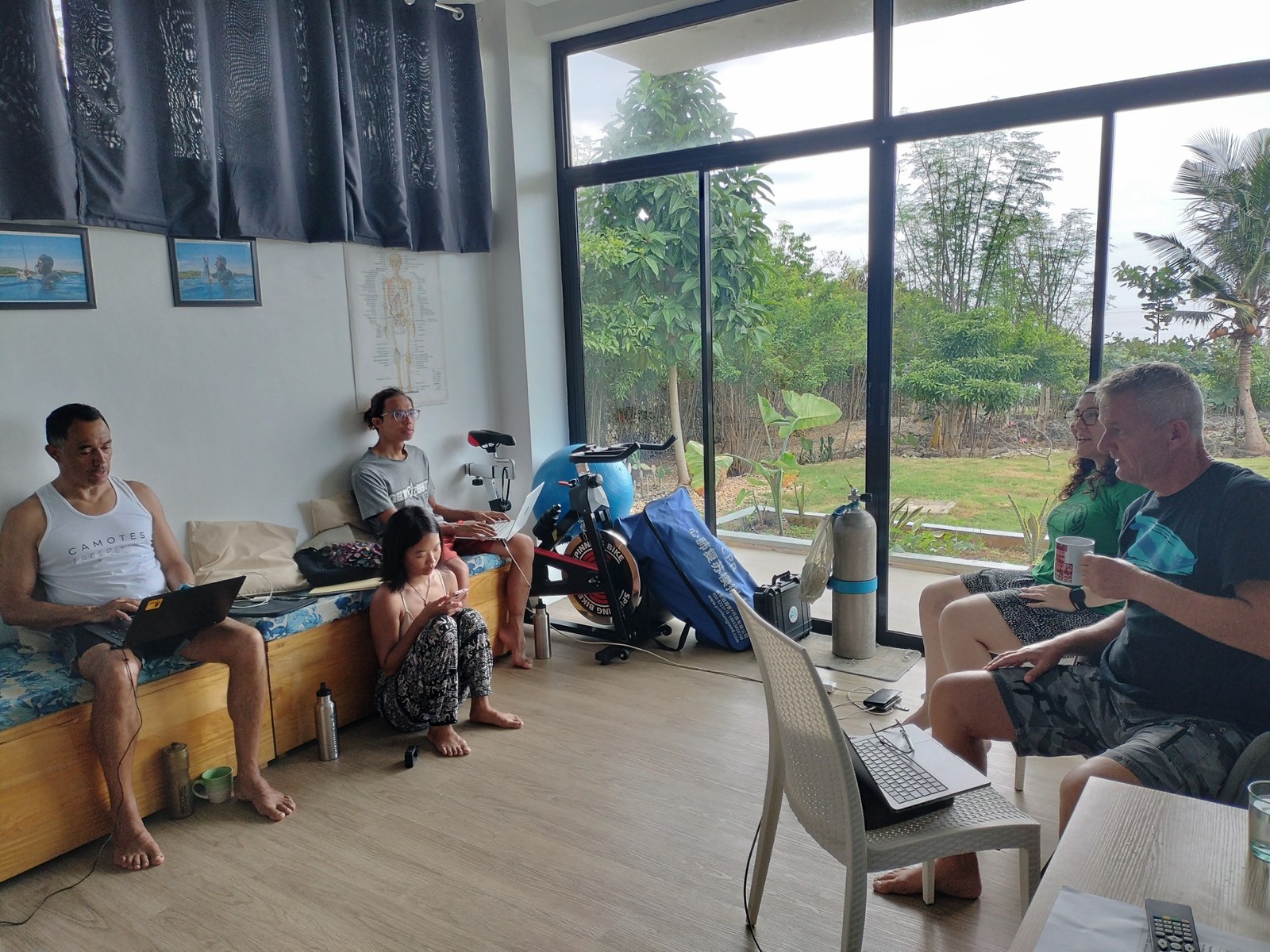
This is one of the biggest differences between schools. Some beginner courses have eight or ten students. Others intentionally keep groups much smaller. Personally, I’ve always believed that beginner freediving deserves individual attention. Every student learns differently. Some need extra help with equalization, others need reassurance, others simply need more time. That’s difficult to provide in very large groups. Smaller groups almost always allow for better coaching.
4. The Instructor Matters More Than the Location
People often become obsessed with choosing the perfect destination. Warm water, beautiful reefs, excellent visibility. Those things certainly help, but an outstanding instructor can transform an average location into an unforgettable experience. A poor instructor can waste even the most beautiful dive site in the world. Choose people before choosing places.
5. Ask About Instructor Experience
Experience isn’t only measured by depth or competition results. Ask questions like: How long have they been teaching? How many students have they certified? Do they continue learning themselves? The best instructors remain students throughout their careers.
Meet the Camotes Freediving Team
6. Look for a School That Explains Why
Good instructors don’t simply tell you what to do. They explain why: Why relaxation matters, why recovery breathing matters, why equalization works, why safety procedures exist. Understanding always lasts longer than memorizing.
7. Read Reviews Carefully
What I Tell My Students: Read reviews, but also look at the school’s teaching philosophy. That’s what shapes your entire experience.
Reviews can tell you a great deal, but don’t just look at the star rating. Read the comments, notice what people remember. Do they talk about feeling safe? Do they mention patient instructors? Do they describe personal growth? Those details usually reveal far more than numerical ratings.
8. Don’t Choose Based on Price Alone
Everyone has a budget, I understand that, but remember something. A freediving course isn’t simply a holiday activity. It’s an education. You’re learning skills that may stay with you for decades. Saving fifty dollars today isn’t worth sacrificing quality coaching. Think long-term.
Coach’s Tip: A school that gives you confidence, individual attention and strong safety habits is worth travelling for.
9. Good Schools Don’t Rush Students
One of the biggest warning signs is unnecessary pressure. A beginner should never feel pushed toward greater depth simply to satisfy performance requirements. Good instructors adapt to the student, not the other way around. Sometimes the greatest success of a course isn’t reaching another five meters. It’s leaving with confidence.


10. The Best Schools Continue After Certification
Learning doesn’t stop when you receive your certification card. Ask yourself: Can I continue training here? Are there coached sessions? Workshops? Advanced courses? Community events? The best schools create long-term divers, not just certified ones.
11. Look for Passion, Not Just Qualifications
Qualifications matter. Of course they do, but passion matters too. You can usually tell within a few minutes whether someone genuinely enjoys teaching. Passionate instructors celebrate your progress. They stay curious. They continue improving. That enthusiasm becomes contagious.
12. Good Coaching Is Individual
No two students are identical. Some learn visually, others learn through explanation, others simply need repetition. The best instructors adapt their coaching style rather than expecting every student to learn the same way. That’s one advantage of small groups.
13. Community Is More Important Than You Think
One thing many beginners don’t consider is the atmosphere around the school. Do students train together after the course? Do instructors remain approachable? Do people return year after year? Freediving is remarkably social. Many lifelong friendships begin during beginner courses. A welcoming community often becomes one of the most valuable parts of the experience.

- Great Schools Create Independent Divers
The goal isn’t to make students dependent on instructors forever. The goal is to help them become safe, confident, independent freedivers. That means teaching decision-making, risk assessment, buddy skills, self-awareness. The best schools build confidence—not dependence.
- Choose the School That Feels Right
After comparing prices…Reading reviews…Looking at photos…Trust your intuition. Do the instructors seem approachable? Do their values resonate with yours? Can you imagine spending several days learning with them? Sometimes the right decision isn’t based on statistics. It’s based on connection.

My Own Philosophy
When we created Camotes Freediving, I asked myself one simple question. “If I were a complete beginner, what kind of school would I want to learn in?” The answer wasn’t the biggest school, or the cheapest, or the busiest. I wanted a place where students felt seen, where questions were encouraged, where safety came first, where instructors continued learning and where every certification represented genuine competence rather than simply another card. That’s still the philosophy we try to follow every day.
Your Instructor Will Influence Your Entire Freediving Journey
Think about it. Your first instructor teaches habits that may stay with you for years. Good habits become automatic. Poor habits also become automatic. That’s why choosing a quality school is one of the most important decisions you’ll make as a freediver. The right instructor doesn’t simply teach you how to dive. They shape the way you’ll think about freediving for the rest of your life.

Frequently Asked Questions
Does the certification agency matter?
Organizations like Molchanovs, AIDA, SSI, PADI, and CMAS all offer respected freediving education. What’s often more important than the agency is the quality and experience of the individual instructor.
Should I choose the cheapest course?
Not necessarily. Good coaching, safety standards, and small groups often provide much greater long-term value than saving a little money upfront.
Is a world-class athlete automatically a great instructor?
Not always. Being an exceptional athlete and being an exceptional teacher are different skills. The best instructors combine technical expertise with patience, communication, and genuine passion for teaching.
How many students should be in a beginner course?
There’s no universal rule, but smaller groups generally allow for more personalized coaching and individual feedback.
Can I contact the school before booking?
Absolutely. In fact, I encourage it. A good school should be happy to answer your questions and help you decide whether their courses are the right fit for your goals.
Final Thoughts
Learning to freedive is about much more than earning a certification. It’s about discovering a completely new relationship with the ocean. The school you choose will shape that first experience. So take your time, ask questions, look beyond marketing, find instructors whose values match your own. Because years from now, you probably won’t remember exactly how much your course cost. You’ll remember how your instructor made you feel. You’ll remember the confidence they gave you. The patience they showed you. The excitement of your first relaxed descent. And perhaps most importantly… You’ll remember that they helped open the door to an entirely new world beneath the surface.
Why Camotes Island Is One of the Best Places in the World to Learn Freediving
Further Reading:
How to Choose the Best Freediving School in the Philippines
Why Camotes Freediving Is More Than Just a Freediving School
The Ultimate Guide to Freediving in the Philippines


