

The Best Time to Learn Freediving in Camotes (And Why Most Websites Get It Wrong)
If you’ve started planning a freediving trip to the Philippines, you’ve probably read the same advice over and over again. “The best time to dive in the Philippines is from November to May.” It’s repeated on countless travel blogs. And while that advice is generally true for many parts of the country… It isn’t necessarily true for Camotes.
Coach’s Tip: Don’t rely on general advice for the Philippines. Every island has its own weather and sea patterns.
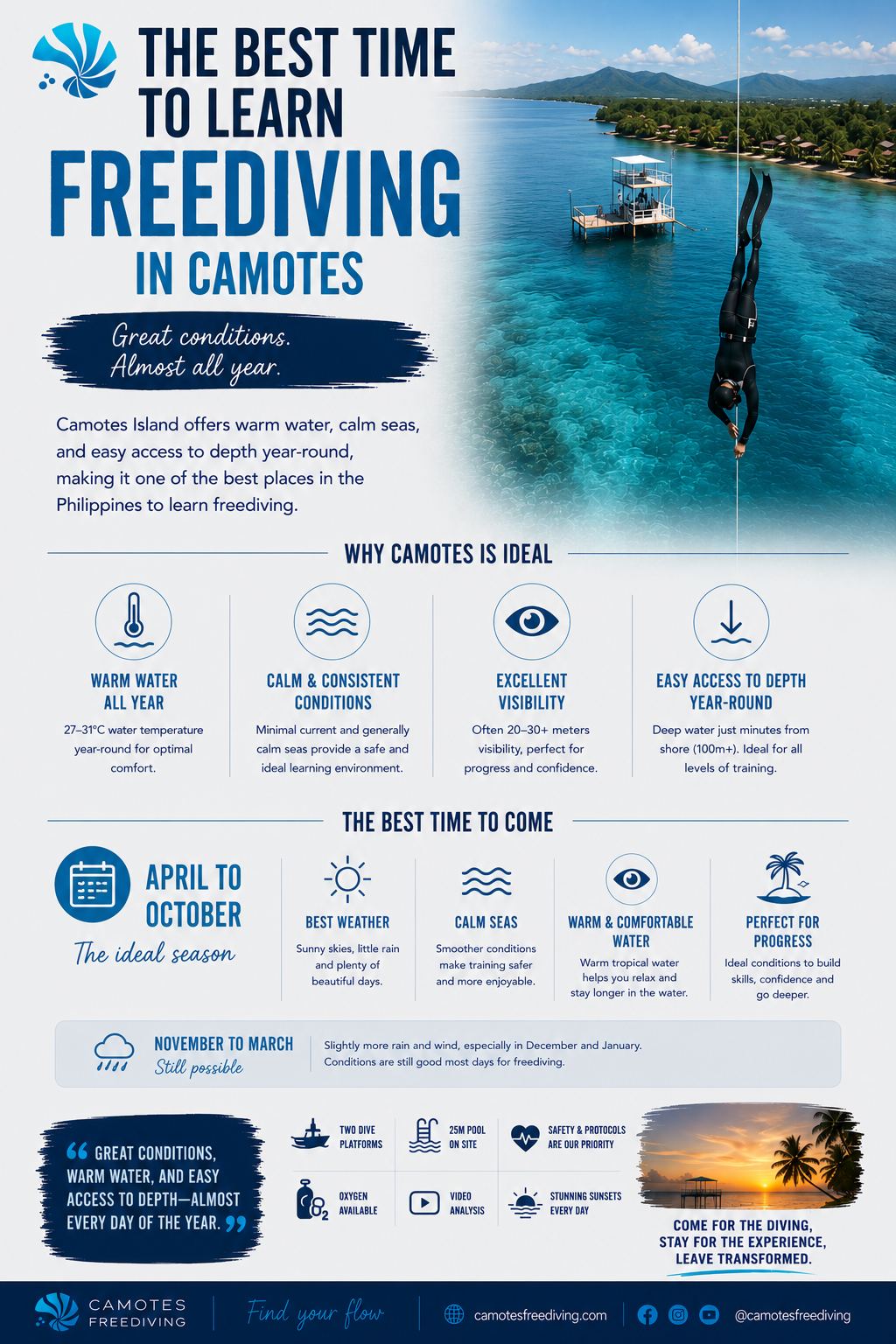
In fact, after operating Camotes Freediving year-round for years, training thousands of students and organizing international competitions, our experience has consistently shown something different. Our best freediving conditions are generally from April to October. That often surprises people. So let’s explain why.
The Philippines Isn’t One Diving Destination
One of the biggest mistakes people make is thinking about the Philippines as if it were one single destination. It isn’t. The Philippines is an archipelago of more than 8,000 islands. Different regions have different weather patterns. Different coastlines face different directions. Different islands are exposed to different winds. A month that produces perfect diving in one location may produce completely different conditions somewhere else. That’s why general advice about “the Philippines” should always be taken with caution.
Camotes Has Its Own Microclimate
Camotes sits in the Camotes Sea, east of Cebu. Its position means it responds differently to seasonal winds than many of the country’s better-known diving destinations. If you only look at rainfall statistics, you might assume one season is automatically better than another. But rainfall isn’t what determines whether today’s freediving session will be excellent.
For us, the important questions are:
- Is the sea calm?
- Is the visibility good?
- Can we comfortably access our platforms?
- Are the training conditions ideal?
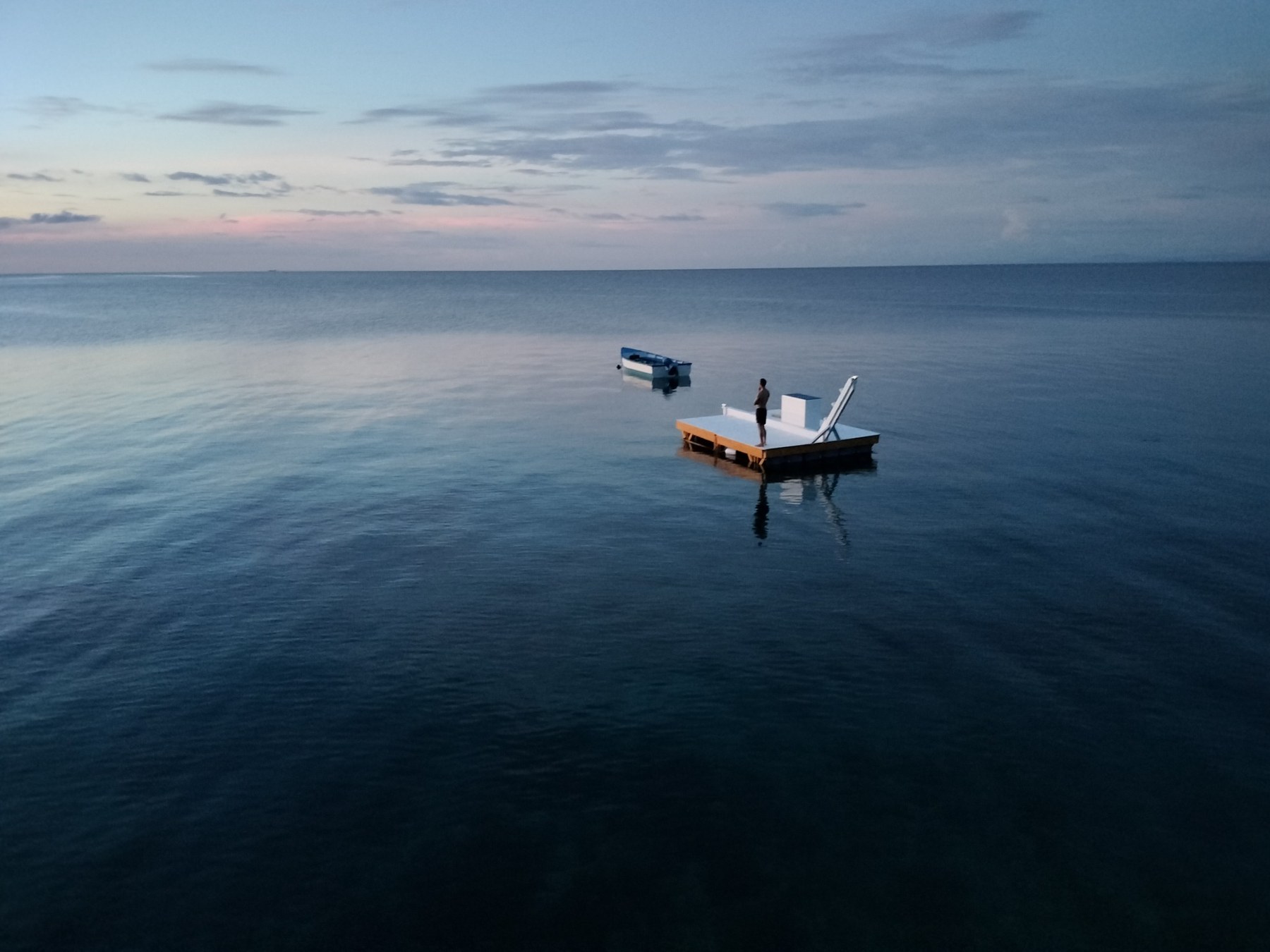
Those are the conditions that matter to freedivers. And those conditions don’t always follow the same pattern as the tourist season.
What We’ve Observed Over the Years
After years of operating a freediving center every day, certain patterns become very clear.
From April to October, we generally experience:
- Very calm seas
- Excellent access to deep water
- Stable training conditions
- Beautiful visibility
- Warm water
- Comfortable weather
This is the period when we most consistently enjoy the kind of conditions freedivers dream about. It’s no coincidence that many of our biggest training camps and international competitions are scheduled during these months.
Why This Confuses Many Visitors
People often arrive expecting April or May to be the beginning of the “rainy season.” Then they look at the ocean. It’s flat. Blue. Calm. Exactly what they hoped for …. And it is not raining , or occasionally at night … Meanwhile, visitors arriving during the traditional “dry season” are sometimes surprised to encounter stronger winds and rougher seas than expected. The lesson is simple: Weather forecasts don’t always tell the whole story for freedivers. Sea conditions matter much more than the number of rainy days recorded each month.
Rain Doesn’t Mean Bad Freediving
This is another misconception. Tropical rain often lasts 20 or 30 minutes. Then the sun comes back out. And even these ones are quite rare in Camotes during the day. Furtheremore, rain itself rarely determines whether we dive. The condition of the sea is usually far more important. A cloudy day with calm water is often a fantastic freediving day. A sunny day with strong wind may not be.

Why We Organize Competitions in April and May
People sometimes ask why we host international competitions during these months. The answer is simple. Because we’ve found them to be among the most reliable periods for high-quality depth training. When you’re organizing a CMAS World Cup or welcoming athletes attempting national records, consistency matters. You want calm water. Reliable access to deep sites. Comfortable conditions for both athletes and safety teams. Those are exactly the conditions we’ve repeatedly experienced during this period.
Why Camotes Island Is One of the Best Places in the World to Learn Freediving
Water Temperature
One thing that remains wonderfully consistent throughout the year is the water temperature. You can generally expect warm tropical water between 27°C and 30°C (81–86°F). Most divers are perfectly comfortable wearing a 2 mm or 3 mm wetsuit. For many visitors, especially those coming from Europe or North America, that’s one of the greatest pleasures of diving in Camotes.
Visibility
Visibility naturally changes from day to day. It depends on:
- Wind
- Currents
- Rainfall
- Plankton
- Tides
But during our preferred season, it’s common to enjoy beautiful blue water with excellent visibility for training. Even on days that aren’t crystal clear, visibility is usually more than sufficient for recreational and training dives. (20m is a bad visibility day for Camotes)
What About November to March?
That doesn’t mean these months are “bad.” Far from it. We continue teaching, training and welcoming students throughout the year. Many excellent diving days still occur.
However, in our experience, conditions tend to be more variable because of stronger seasonal winds affecting the Camotes Sea. Some weeks are beautiful. Others require more flexibility. Fortunately we have a plan B and can dive on the other side of the island when it is a bit rough in front of Camotes Freediving.
So… When Should You Visit?
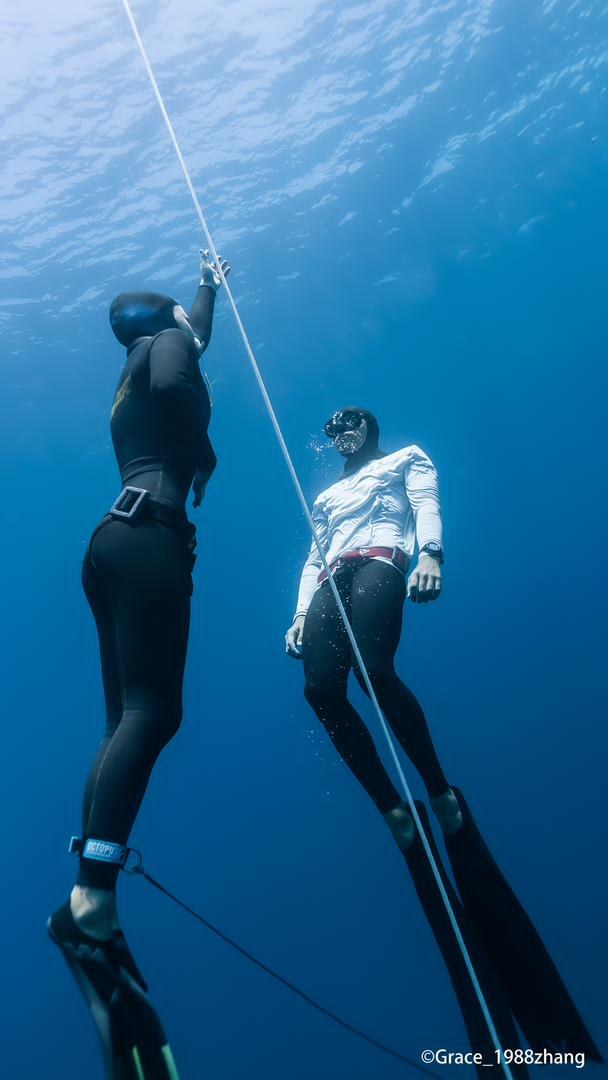
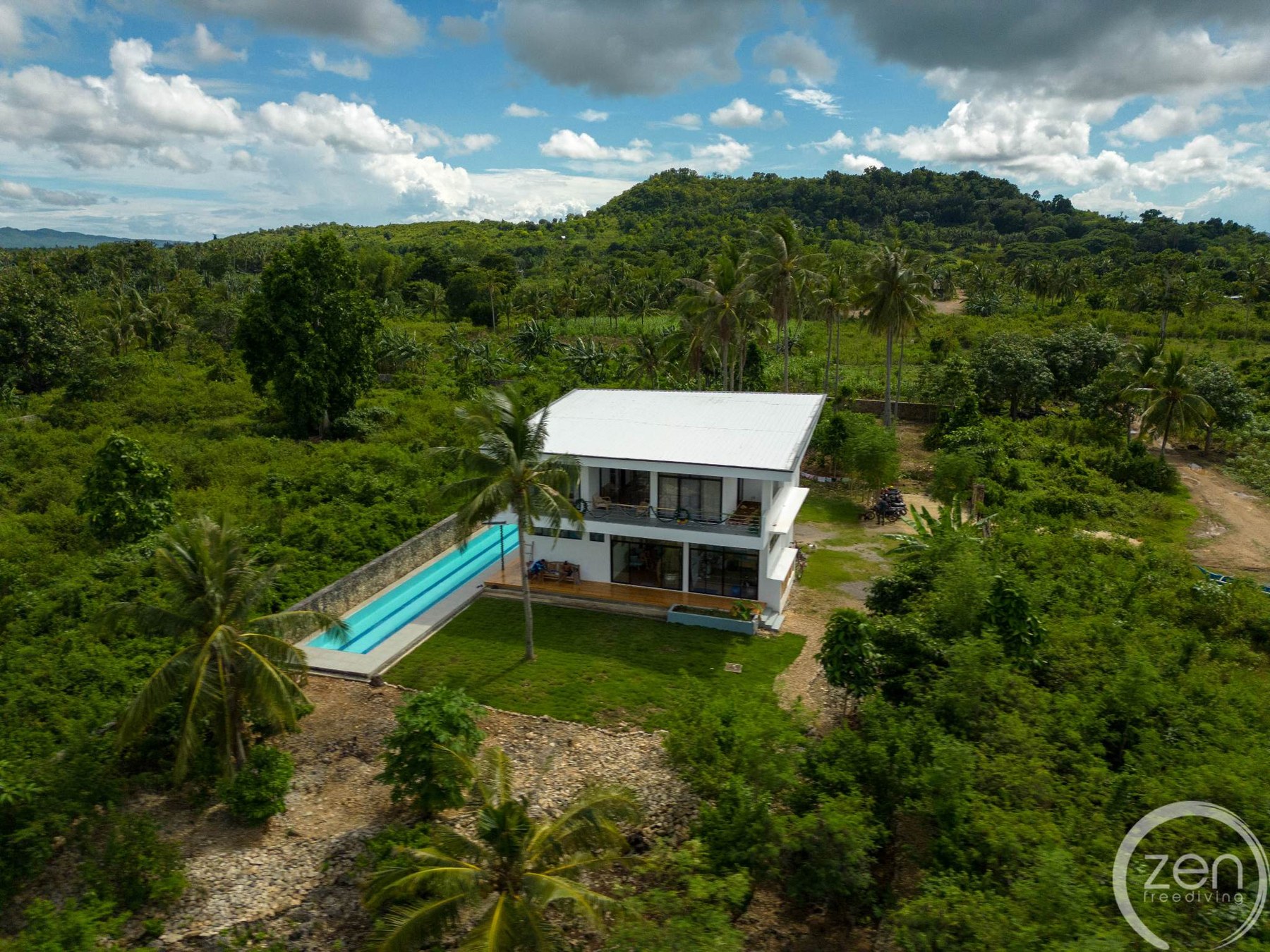
If your travel dates are completely flexible and your priority is getting the most reliable freediving conditions possible… I’d recommend planning your trip between April and October. If those months aren’t possible, don’t worry. Freediving is available throughout the year, and we continue running courses in every season. The most important ingredient in your progress won’t be the month on the calendar. It will be the quality of your instruction, your consistency, and your willingness to learn.
What I Tell My Students: Many people are surprised that Camotes shines during April to October. Planning your trip around the local conditions can completely change your experience.
Why I Love This Time of Year
One of my favourite moments happens almost every morning during our main season. The sea is calm. The platforms are only a few minutes away. Students arrive excited for another day in the water. There’s very little stress. Very little noise. Just blue water and the opportunity to spend another day doing what we love. Those mornings remind me exactly why I chose to build Camotes Freediving here.
Quick Summary
| Period | Typical Conditions in Camotes |
|---|---|
| April – October | Our most reliable season. Calm seas, stable training conditions, excellent visibility and warm water. |
| November – March | Courses continue year-round, but conditions are generally more variable due to seasonal winds. Still excellent on average. |
Frequently Asked Questions
What is the best time to learn freediving in Camotes?
Based on our experience operating year-round, the most reliable diving conditions are generally from April to October.
Isn’t the dry season from November to May?
Yes, for many parts of the Philippines. However, Camotes has different local conditions, and the calmest freediving conditions don’t always match the country’s general tourist seasons.
Can I still visit between November and March?
Absolutely. We run courses throughout the year. Conditions are simply more variable than during our preferred season.
Is the water warm all year?
Yes. Water temperatures generally remain between 27°C and 30°C, making freediving comfortable throughout the year.
Why do you organize competitions in April and May?
Because these months have consistently provided the calm sea conditions and reliability needed for international freediving competitions and high-level athlete training.

Final Thoughts
One of the lessons the ocean has taught me is to be careful with generalisations. People often ask, “When is the best time to freedive in the Philippines?” I think a much better question is, “Where in the Philippines are you planning to dive?” Because every destination has its own personality. Its own rhythms. Its own seasons. After spending years in the water almost every day, I’ve learned to trust what the ocean shows us rather than what generic travel guides repeat. And year after year, it tells us the same story. For Camotes, the months from April to October consistently offer some of the finest freediving conditions we’ve experienced. That’s why we train here. That’s why we host competitions here. And that’s why we continue welcoming freedivers from around the world to experience this incredible island for themselves.
Further Reading:
How to Get to Camotes Freediving
Where to Stay During Your Freediving Course in Camotes
What to Do in Camotes Between Freediving Sessions


