

Why Relaxation Is the Real Secret to Better Freediving

Why Relaxation Is the Real Secret to Better Freediving
If someone asked me to choose only one skill to teach a new freediver… Not equalization. Not finning. Not breath-holding. Not duck dives. I would choose relaxation. That answer often surprises people. Most beginners assume freediving is about pushing yourself, training harder, holding your breath longer, becoming mentally tougher. In reality, freediving is almost the opposite. The better you become… The less you force.
After more than a decade of coaching, competing internationally, and diving beyond 130 meters, I’m convinced that relaxation is the single biggest factor separating average divers from exceptional ones. And the beautiful thing is… It’s a skill that almost everyone can improve.
The Great Paradox of Freediving
Most sports reward effort. Run harder. Lift heavier. Push further. Freediving asks something completely different. Can you achieve more by doing less?
At first, this feels counterintuitive. Every instinct tells us that trying harder should produce better results. Underwater, that often has the opposite effect. The harder you fight the water… The more oxygen you consume, the more tension you create, the more difficult the dive becomes.
Oxygen Is Precious
Every muscle in your body consumes oxygen. That’s obvious when you’re swimming. What’s less obvious is how much oxygen is consumed by muscles that don’t need to be working at all. A clenched jaw. Tight shoulders. Curled toes. Fists. A wrinkled forehead. None of these movements help your dive. Yet they quietly increase oxygen consumption. One of the easiest ways to dive longer is simply to stop wasting energy.

Relaxation Begins Before You Enter the Water
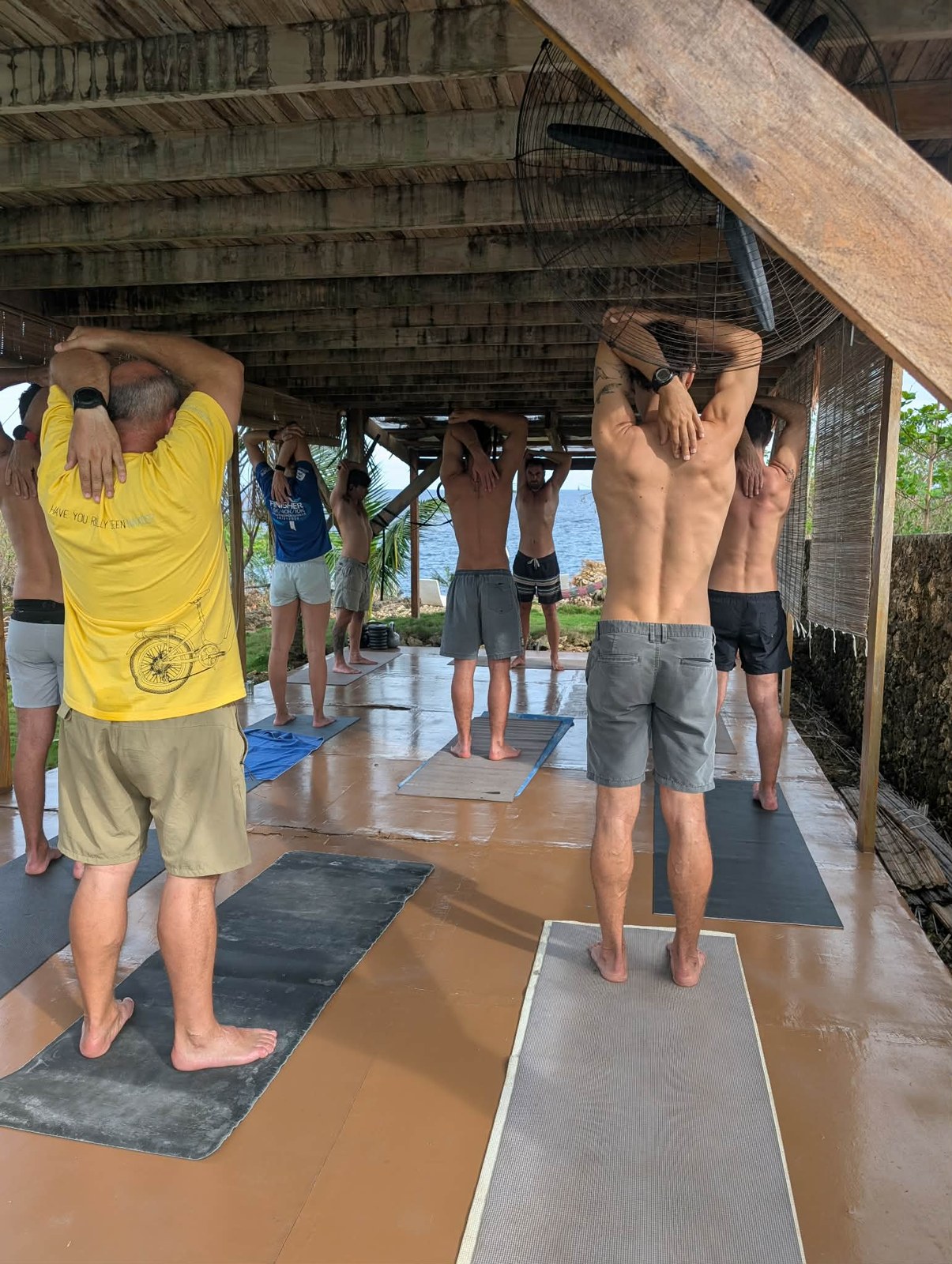
Coach’s Tip: Stretching is a great way to improve your body awareness and therefore your relaxation
Many divers think relaxation starts during the descent. Actually… It begins long before that. How fast did you drive to the dive site? Did you rush to put on your wetsuit? Are you checking your dive computer every thirty seconds? Are you thinking about yesterday’s bad dive? Everything you do before entering the water influences the dive itself. I’ve often noticed that my best sessions began with the calmest mornings.
The Ocean Reflects Your State of Mind
One of the fascinating things about freediving is how honest it is. If you’re impatient… The dive usually feels impatient. If you’re distracted… The dive often becomes messy. If you’re calm… Everything seems to flow. The ocean has an incredible way of revealing what’s happening inside us. That’s one reason freediving becomes such a powerful form of self-discovery.
Relaxation Improves Equalization
This is something many beginners don’t expect. They think equalization is purely mechanical. In reality, tension often makes equalization much harder. A tight jaw, a tense neck, raised shoulders… These all interfere with efficient movement. I’ve watched students struggle with equalization for hours. Then relax… And suddenly everything works. Sometimes the solution isn’t learning another technique. It’s removing unnecessary tension.
Why Can’t I Equalize? 15 Ways to Fix It
Relaxation Lowers Your Heart Rate
One of the body’s natural responses to relaxation is a lower heart rate. A slower heart consumes less oxygen. That means more oxygen remains available during the dive. This is one reason experienced freedivers spend so much time developing calm, consistent pre-dive routines. They’re not rituals. They’re preparation.
Confidence and Relaxation Work Together
Confidence isn’t about believing you’ll succeed. It’s about trusting yourself enough to stay calm. The more experience you gain… The easier relaxation becomes. And the more relaxed you become… The better your dives feel. It’s a positive cycle. Confidence creates relaxation. Relaxation improves performance. Performance strengthens confidence.
Why Beginners Rush
One thing I’ve noticed after teaching hundreds of students is that beginners almost always move too quickly. They descend too fast, kick too hard, turn too abruptly, rush their recovery. None of this comes from poor technique. It comes from excitement and/or nervousness. Learning to slow down is one of the biggest breakthroughs in freediving.
Freefall Is the Perfect Teacher
One of my favorite moments in any deep dive is freefall. At that point, you’re no longer swimming. You’re simply falling. There’s nothing to fight. Nothing to force. Just gravity… Pressure… Silence… And complete surrender. Every time I experience freefall, it reminds me of one important lesson. The ocean rewards trust.
Mental Relaxation Is Just as Important
People often think relaxation is only physical. It isn’t. Mental tension consumes energy too. Thinking about your target depth, comparing yourself with other divers, replaying mistakes, worrying about failure… Your body responds to every thought. That’s why learning to focus on the present moment is so valuable. The only dive that matters is the one you’re currently making.


One Lesson Changed My Diving
From My Experience: Every major breakthrough I’ve had in depth came after becoming more relaxed, not stronger.
Several years ago, I realized something important. I wasn’t trying to enjoy every dive. I was trying to achieve something with every dive. Those aren’t the same. Once I shifted my attention back toward enjoying the process… Everything became lighter. Ironically… My performances improved as well. Relaxation isn’t passive. It’s incredibly powerful.
You Can Practice Relaxation Everywhere
One of the things I love most about this skill is that you don’t need the ocean to improve it. You can practice relaxation while walking, while sitting at your desk, during meditation, before going to sleep, during stressful conversations. The more relaxed your nervous system becomes in everyday life… The easier relaxation becomes underwater. Freediving and daily life constantly reinforce one another.
Five Ways to Become More Relaxed Underwater
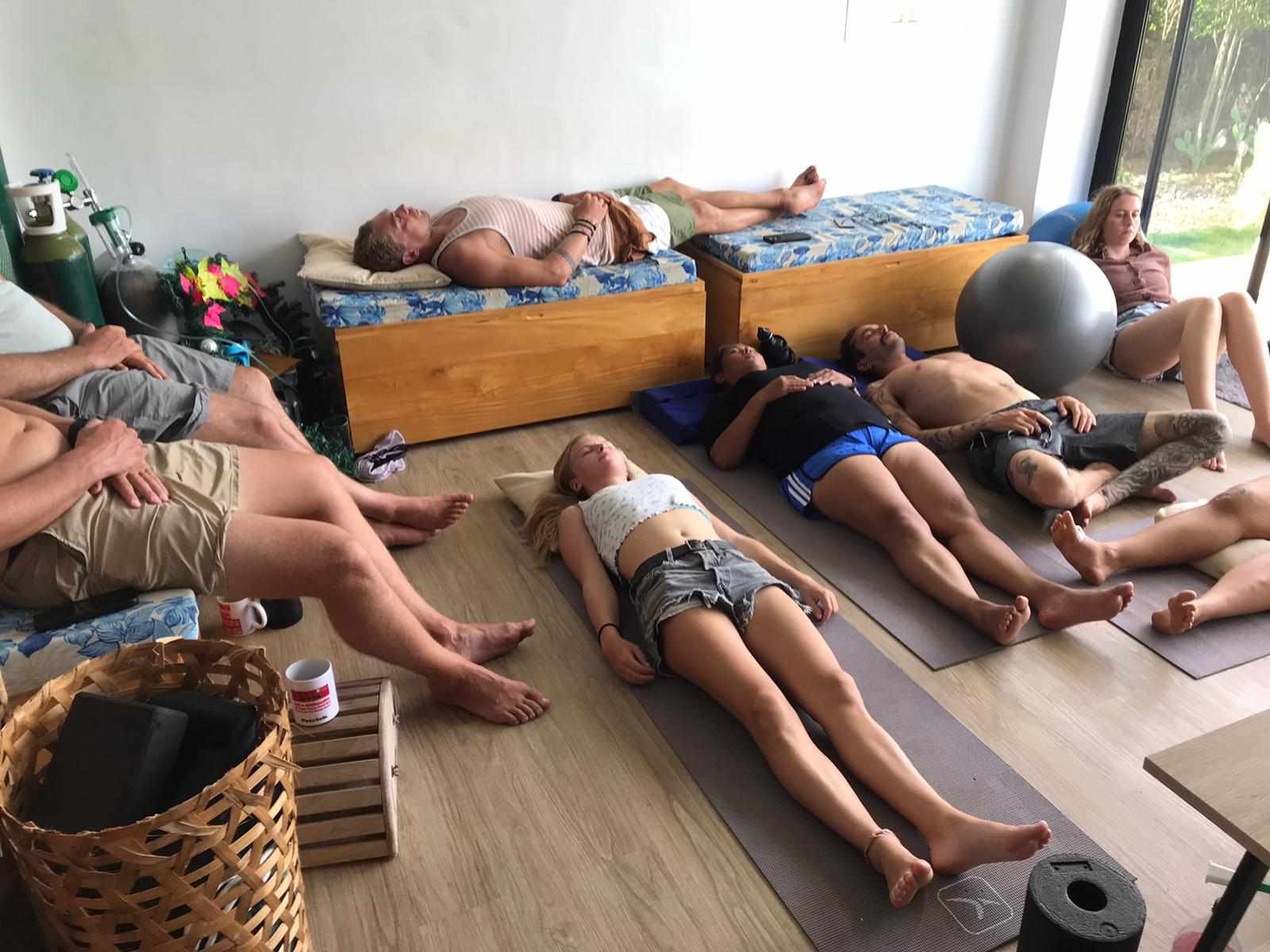
Here are the five exercises I recommend most often to my students.
- Slow Everything Down
Walk slower, prepare slower, breathe slower, move slower. Your body follows your rhythm.
- Scan Your Body
Before every dive, ask yourself: Where am I holding unnecessary tension? Simply noticing tension often helps release it.
- Exhale Completely
A relaxed exhale encourages your nervous system to relax. Don’t force it. Simply let the air leave naturally.
- Focus on One Thing
Instead of thinking about depth… Think about one simple cue. Maybe: “Relax my shoulders.” Or: “Soft face.” Simple thoughts often produce the biggest improvements.
- Enjoy the Dive
This might be the most important advice of all. Don’t become so focused on improving that you forget to appreciate the experience. Joy is one of the greatest sources of relaxation.
Frequently Asked Questions
Why is relaxation so important in freediving?
Relaxation reduces oxygen consumption, lowers heart rate, improves equalization, increases comfort, and helps you make better decisions underwater.
Can relaxation really improve my breath hold?
Absolutely. Many beginners gain significant improvements simply by reducing unnecessary muscle tension and learning to stay mentally calm.
How can I become more relaxed underwater?
Practice slow breathing, body awareness, mindfulness, good preparation, and consistent training. Relaxation improves with repetition.
Why do I become tense before deep dives?
Because anticipation naturally activates your nervous system. Experience, good preparation, and mental training gradually reduce that response.
Is relaxation something you’re born with?
No. Like equalization or finning, relaxation is a trainable skill that improves with deliberate practice.
Final Thoughts
When people first discover freediving, they often think success belongs to the strongest diver. Or the bravest. Or the one with the biggest lungs. After thousands of dives, I no longer believe that. I think success belongs to the diver who learns to let go. To let go of unnecessary effort, of unnecessary fear, of unnecessary expectations. Because every time we release something that doesn’t help us… We create space for something that does. More calm, more awareness, more enjoyment and, almost without noticing it… Better performance. Perhaps that’s the greatest lesson freediving has to offer. Sometimes, the fastest way forward isn’t to push harder. It’s to relax.


