

Bradycardia: Why Your Heart Slows Down Underwater

One of the most surprising things I ever saw on a heart rate monitor wasn’t during a marathon. Or while cycling. It happened while doing absolutely nothing. I was simply lying motionless underwater. When I surfaced and looked at my dive computer, my heart rate had dropped dramatically. If you had shown me those numbers years earlier, I probably wouldn’t have believed them. How could holding your breath make your heart beat slower, when your body has less oxygen available? Shouldn’t it do the opposite? It’s a fascinating question. And the answer tells us a lot about how remarkably adapted the human body is for freediving.
What Is Bradycardia?
The word sounds intimidating. But the concept is simple. Bradycardia simply means a slower-than-normal heart rate. Outside of freediving, doctors often use the word when discussing resting heart rates below sixty beats per minute. During freediving, however, bradycardia is something entirely different. It’s a normal and healthy physiological response. Your body intentionally slows the heart. Not because something is wrong. Because it’s trying to conserve oxygen.

Your Heart Is an Oxygen Consumer
We often think about the heart as delivering oxygen to the body. That’s true. But here’s something we sometimes forget. The heart also consumes oxygen. Every heartbeat requires energy. The faster your heart beats… The more oxygen it uses. Imagine driving a car. The engine burns more fuel at high speed than when idling. Your heart works in much the same way. By slowing the engine slightly, your body immediately becomes more economical.
Why Does the Heart Slow Down?
Imagine you’re managing a limited battery. You know it has to last. One obvious solution is reducing unnecessary energy consumption. That’s exactly what your nervous system does underwater. Instead of asking the heart to pump harder… It asks it to pump smarter. Fewer beats. More efficiency. The oxygen you’ve stored before the dive lasts longer. It’s one of the first components of the Mammalian Dive Reflex.
Your Nervous System Takes Control
Bradycardia isn’t something you consciously decide to do. You can’t simply think: “Heart, slow down.” Instead, your autonomic nervous system takes over. More specifically, the parasympathetic nervous system increases its activity. This is often called the “rest and digest” branch of the nervous system. It promotes calmness, recovery, energy conservation. Freediving creates exactly the kind of conditions where this system becomes incredibly important.
The Better You Relax, the Stronger the Response
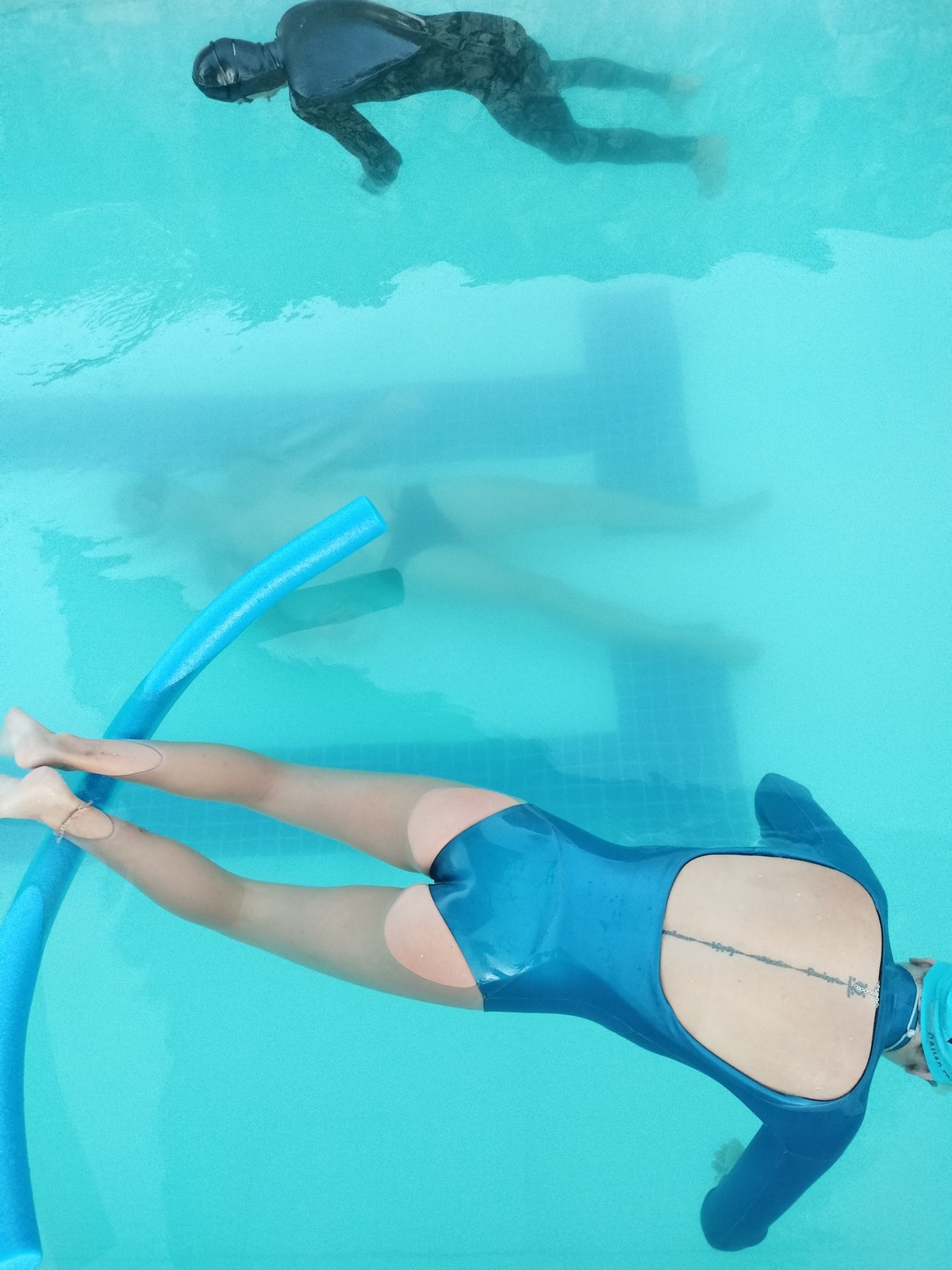
One thing I’ve observed over many years of coaching is that relaxation and bradycardia are closely connected. Students who remain tense often maintain relatively high heart rates. Students who genuinely relax often experience a much stronger slowing of the heart. This isn’t a coincidence. A calm nervous system allows the dive reflex to express itself more fully. That’s another reason why relaxation is one of the most important skills in freediving.
Relaxation Is the Greatest Performance Enhancer in Freediving
Experience Changes Everything
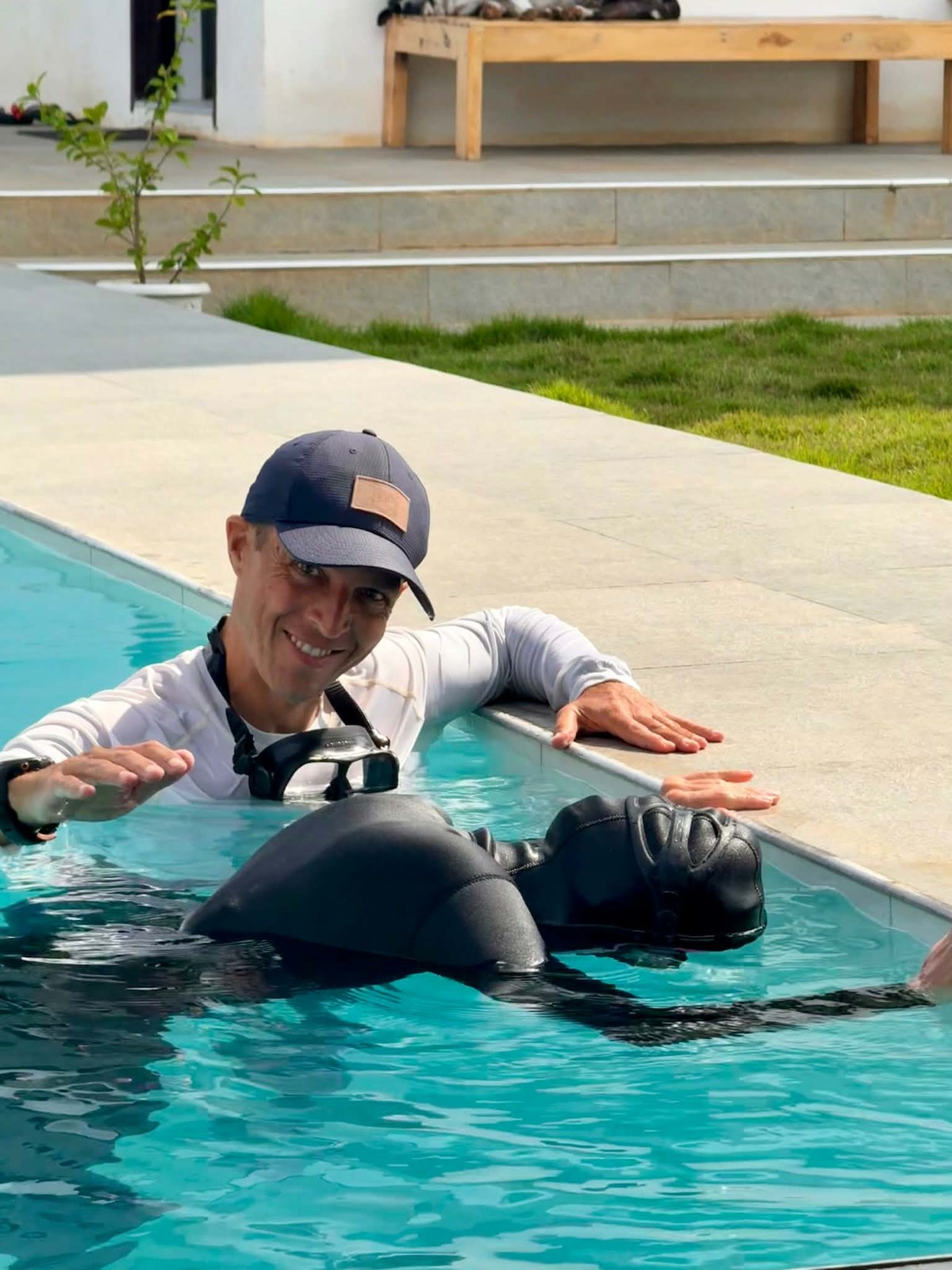
When beginners start freediving, they often feel excited. Sometimes nervous. Their heart races before the dive even begins. That’s perfectly normal. As they gain experience, something changes. The water becomes familiar. The movements become automatic. Confidence grows. And because the mind becomes calmer… The body often follows. One of the most rewarding things about coaching is watching that transformation happen.
Elite Freedivers Can Reach Astonishing Numbers
During deep dives, elite freedivers have recorded heart rates below 30 beats per minute. Some exceptional cases have even gone lower. Those numbers would seem alarming in everyday life.
Underwater, during a relaxed breath hold, they’re a normal part of an extraordinary physiological adaptation. The body is doing exactly what it was designed to do. It’s slowing everything down to make every molecule of oxygen count.
Elite Freedivers Aren’t Holding Their Breath All Day Long—and Neither Should You
Bradycardia Doesn’t Mean You’re Better
This is an important point. Some freedivers become fascinated by heart rate. They compare numbers. They try to achieve lower and lower values. I don’t think that’s helpful. A lower heart rate isn’t the goal. It’s a consequence. If you chase relaxation… Bradycardia often follows naturally. If you chase bradycardia… You usually become more tense. Ironically, that’s the opposite of what you’re trying to achieve.
Why Relaxation Is the Real Secret to Better Freediving
Why Water Matters
Many people notice they can hold their breath longer in water than on land. Part of the reason is psychological. Part of it is physiological. Cool water touching the face activates receptors connected to the dive reflex. That stimulation contributes to the slowing of the heart. It’s one of the reasons static apnea is often performed face-down in water rather than lying on a sofa.
Training Makes the Response More Efficient
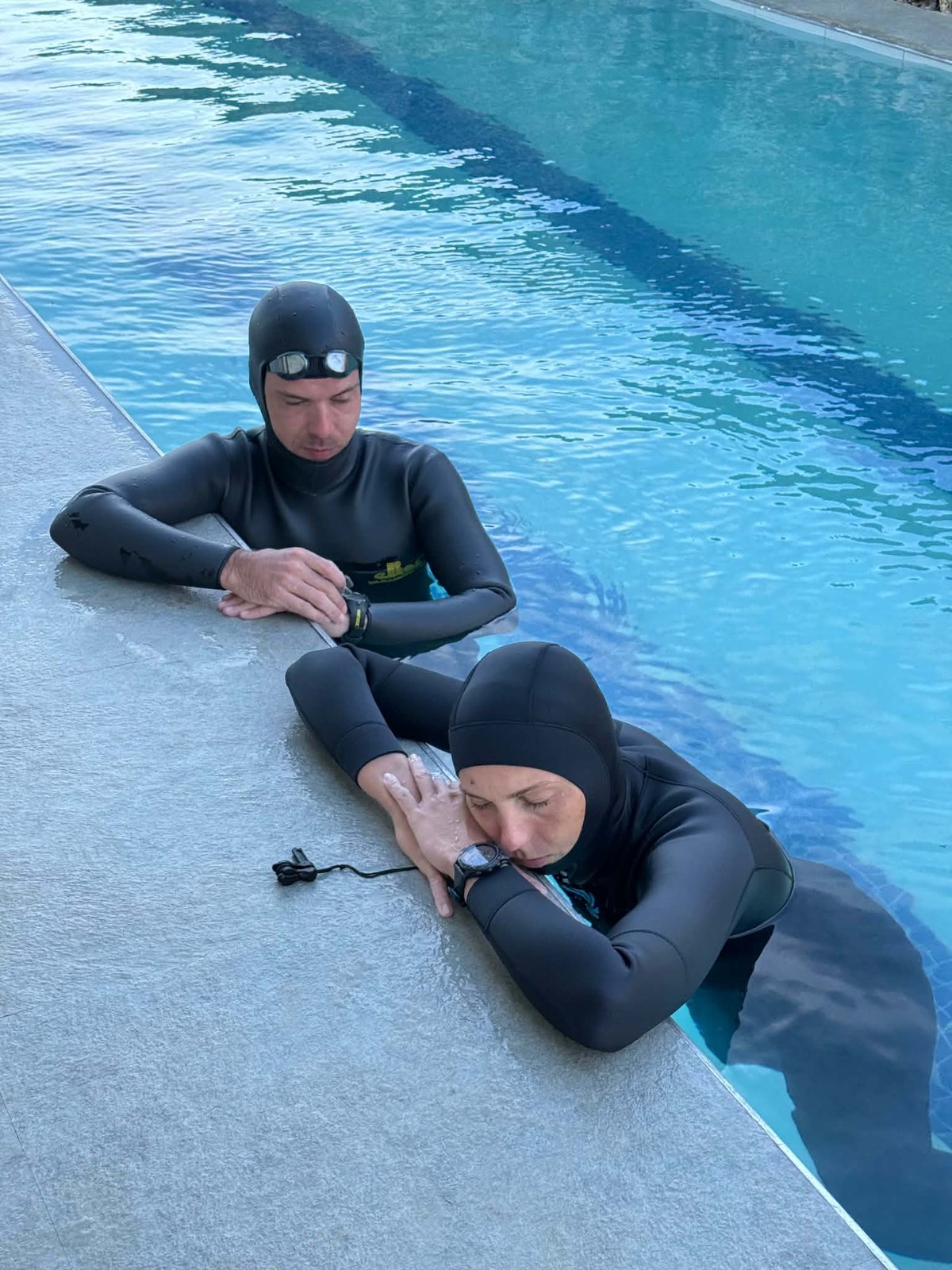
You can’t force bradycardia. But regular freediving practice helps your body become more efficient. Over time, many divers notice: Their heart settles more quickly, recovery improves, the first contractions arrive later, the entire dive feels calmer. These improvements aren’t magic. They’re adaptations. Like every athlete, freedivers become better at the demands they practice consistently.
One Mistake I See Often: Students become obsessed with their heart rate. A lower heart rate is a consequence of relaxation, not something you should try to force.
Stress Is the Enemy
Have you ever noticed that some dives feel completely different? Same depth, same conditions, different result. Often the difference isn’t physical, It’s mental. A stressful day at work, poor sleep, personal worries…. All of these influence your nervous system, and your nervous system influences your heart. That’s why I always remind students that freediving begins long before they enter the water.
What I Tell My Students: If you want a slower heart rate, slow your mind first. The body usually follows.
You Can’t Cheat Your Physiology
Every now and then someone asks me whether there’s a trick to making the heart slow down faster. There isn’t. You can’t fake relaxation. You can’t trick your nervous system. What you can do is create the conditions where your body naturally responds. Slow breathing, patience, confidence, good preparation, consistency… The body takes care of the rest.
What Bradycardia Has Taught Me
As an athlete, I used to think performance was about producing more. More effort, more determination, more intensity. Freediving gradually changed that perspective. One of the biggest adaptations in our sport isn’t doing more. It’s doing less. A slower heartbeat, less muscle tension, less unnecessary movement, less wasted oxygen… Sometimes the path to extraordinary performance isn’t acceleration. It’s economy.

Five Ways to Encourage a Healthy Dive Reflex
- Never rush your breath-up.
Relaxation starts before the dive.
- Stay mentally present.
Thinking about tomorrow rarely improves today’s dive.
- Let the water calm you.
Don’t fight the environment. Allow yourself to settle into it.
- Build experience gradually.
Confidence reduces unnecessary stress.
- Focus on relaxation, not numbers.
Heart rate is an outcome—not a goal.
Frequently Asked Questions
What is bradycardia in freediving?
It’s the natural slowing of the heart during breath-holding and immersion, helping conserve oxygen for vital organs.
Is a slow heart rate dangerous while freediving?
No. During a properly conducted freedive, bradycardia is a normal physiological response. However, any concerns about abnormal heart rhythms outside diving should always be discussed with a healthcare professional.
Does everyone experience bradycardia?
Yes, although the strength of the response varies between individuals and often becomes more pronounced with relaxation and experience.
Can I train my heart to slow down?
You can’t consciously force it, but regular freediving practice, good relaxation, and repeated exposure to breath-holding help your body express this natural adaptation more efficiently.
Why is my heart racing before a dive?
Excitement, anticipation, stress, and adrenaline all increase heart rate. As your confidence grows, you’ll often notice your heart settles much more quickly before dives.

Final Thoughts
One of the most remarkable things about freediving isn’t how long humans can hold their breath. It’s how intelligently the body responds when we do. Instead of panicking… It becomes calmer. Instead of wasting oxygen… It protects it. Instead of speeding up… It slows down. To me, bradycardia represents something much bigger than a physiological response. It reminds us that performance doesn’t always come from pushing harder.
Sometimes it comes from trusting the body enough to let it do what it has quietly known how to do for millions of years. Every time I feel my heartbeat slowing before a dive, I’m reminded that freediving isn’t about overcoming nature. It’s about rediscovering that we’re part of it.


