Elite Freedivers Aren’t Holding Their Breath All Day (And Neither Should You)
Whenever I tell someone I compete in freediving, the conversation almost always follows the same pattern. First comes the obvious question. “How long can you hold your breath?” Then comes another one. “So… you probably spend all day practicing breath holds?” I always smile.
Because the answer is… Not at all. In fact, if I spent all day holding my breath, I’d probably become a worse freediver. That surprises most people. After all, if you want to become better at breath-holding… Shouldn’t you simply hold your breath as often as possible? Like many things in freediving, the answer is much more interesting than that.


Breath Holding Is Only One Small Part of Freediving
People often think freediving is simply about surviving without breathing. That’s understandable. From the outside, that’s what they see. But experienced freedivers know something different. Holding your breath is only one piece of the puzzle. Great freediving depends on: Relaxation, technique, equalization, flexibility, mental preparation, efficient movement, recovery, safety, decision-making… You could dramatically improve all of those without performing a single maximum breath hold.
My Training Doesn’t Look Like What People Imagine
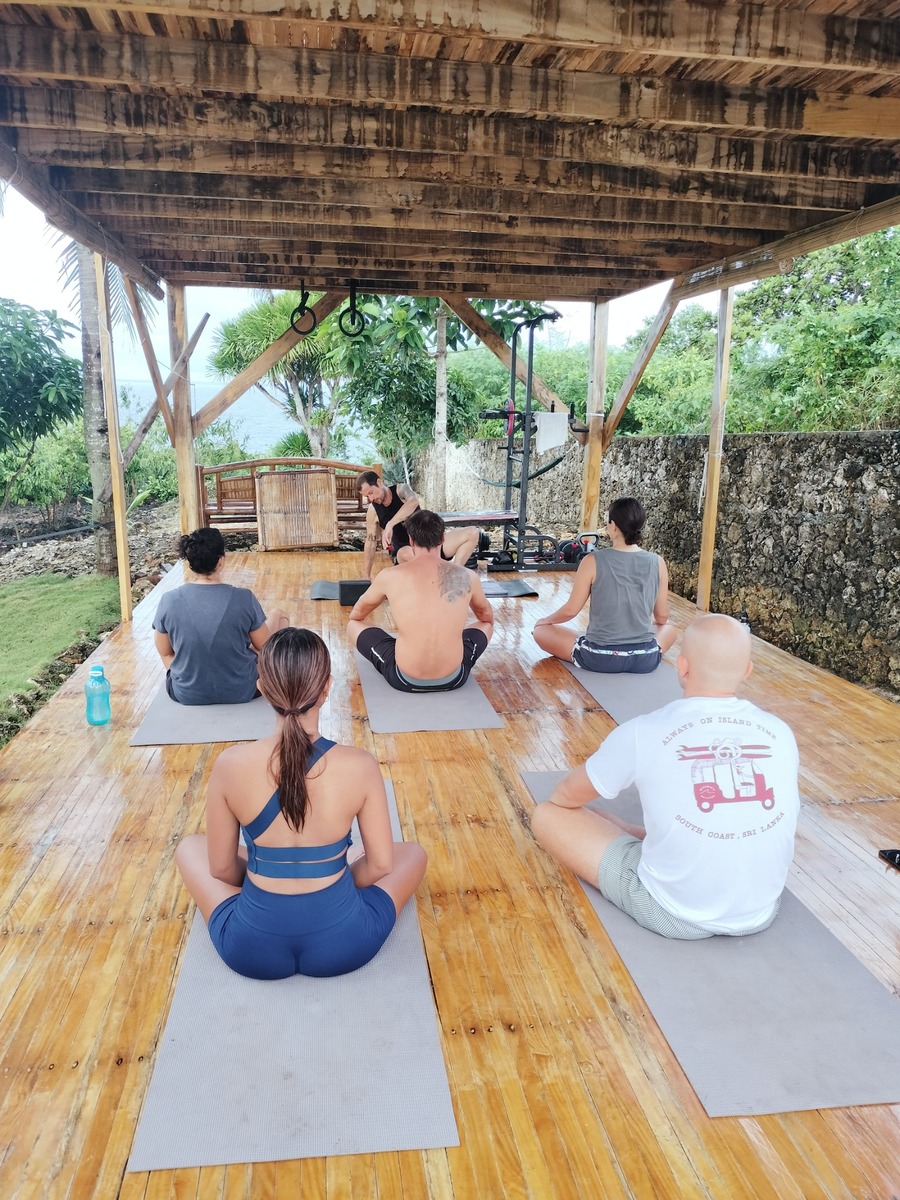
If someone watched one of my training weeks, they might actually be disappointed. There are sessions where I spend more time stretching than diving. Days dedicated to mobility. General strength training. Easy aerobic exercise. Visualization. Technique. Some sessions involve relatively few deep dives. Because not every session has the same objective. Every workout should answer one simple question: What am I trying to improve today?
What I Tell My Students: The best freedivers spend surprisingly little time trying to impress people. Most of their training is structured, purposeful and often quite ordinary
The 10 Most Common Mistakes That Slow Down Your Freediving Progress
The Goal Isn’t to Hold Your Breath
This may sound strange coming from a freediver. But I rarely think about holding my breath. Instead, I think about making the dive easier. Those aren’t the same thing. If I improve my streamlining… I consume less oxygen. If I improve my equalization… I stay more relaxed. If I improve my finning… I arrive at depth fresher. Longer breath holds become a consequence. Not the objective.
Maximum Breath Holds Are Surprisingly Rare
Many beginners assume elite freedivers constantly test their limits. Actually… Maximum breath holds are used sparingly. Why? Because they’re stressful. Both physically and mentally. Like sprinting at maximum speed every day, they have their place. But they shouldn’t become the foundation of training. Most progress comes from high-quality practice—not constant exhaustion.
Coach’s Tip: Save maximum breath holds for planned training sessions. Your daily life isn’t the place to constantly test yourself.
Why You Shouldn’t Chase a Personal Best on Every Training Session
Relaxation Is a Skill
If there’s one thing I wish every beginner understood, it’s this. Relaxation deserves training just as much as breath-holding. Can you slow your breathing? Can you soften your shoulders? Can you reduce unnecessary movement? Can you remain calm when something doesn’t go perfectly? Those skills transfer directly into deeper, safer dives.
Most of My Progress Came From Doing Things Better
People often ask me what changed as I progressed from recreational freediving to diving beyond 130 meters. Honestly… I didn’t suddenly become someone with superhuman lungs. I simply became more efficient. Less tension. Better technique. Smarter training. More patience. More understanding. The breath hold itself improved almost automatically.
Recovery Is Training
One lesson every serious athlete eventually learns is this: You don’t improve while you’re training. You improve while you’re recovering. Sleep, nutrition, hydration, mobility, easy days. They’re not interruptions. They’re part of the program. Ignoring recovery is one of the quickest ways to stop progressing.
CO₂ Tables Aren’t Everything
Many people discover freediving and immediately start doing breath-hold tables every day. CO₂ tables. O₂ tables. Static apnea. Those can be valuable tools. But they’re just that. Tools. Not the entire toolbox. Without good technique and good coaching, breath-hold tables alone rarely create great freedivers.

What Actually Makes Someone Better?
After teaching hundreds of students, I would say improvement usually comes from: Learning to relax, understanding equalization, moving more efficiently, building confidence, developing consistency. Very few breakthroughs come from simply forcing yourself to hold your breath longer.
Mental Training Is Often More Important
I’ve reached a point where I probably spend as much time training my mind as my lungs. Visualization, focus, managing pressure, accepting uncertainty, staying present. Those skills become increasingly important as depth increases. They also happen to be useful far beyond freediving.
The Best Divers Make It Look Easy
Watch the world’s best freedivers. What stands out? They’re not fighting. They’re not grimacing. They’re not desperately trying to survive. Everything looks calm, effortless, economical. That’s not an accident. That’s the result of years spent removing unnecessary effort.
Beginners Often Practice Too Hard
One pattern I’ve noticed is that enthusiastic beginners often train harder than experienced athletes. They’re constantly testing themselves. Always chasing a new personal best. Always adding another breath hold. Ironically… Experienced divers often do the opposite. They spend more time refining fundamentals. That’s one reason they continue improving.
My Philosophy Has Changed
When I started freediving, I believed success belonged to the person willing to suffer the most. Today… I believe success belongs to the person who learns the fastest, who pays attention, who refines details, who enjoys the process. The deeper I’ve gone, the less interested I’ve become in proving how much discomfort I can tolerate. I’m much more interested in becoming efficient.
Five Things I’d Recommend Instead of Another Maximum Breath Hold
If you want to become a better freediver tomorrow, consider doing one of these instead.
- Improve your duck dive.
Small technical improvements save enormous amounts of energy.
- Work on mobility.
A more mobile body breathes and moves more efficiently.
- Practice relaxation.
Five minutes of quality relaxation may improve your diving more than another maximal apnea.
- Improve your finning.
Less effort means less oxygen consumption.
- Sleep well.
Recovery is one of the most underrated performance tools in freediving.
Frequently Asked Questions
Do elite freedivers practice breath holds every day?
Not usually. Breath-hold training is only one part of a balanced program that also includes technique, mobility, fitness, recovery and mental preparation.
Are CO₂ tables enough to become a better freediver?
No. They can be useful, but they’re only one training tool. Great freediving depends on many different skills.
Should beginners perform maximum breath holds?
Occasionally, under appropriate supervision and within a structured training plan. Most sessions should focus on learning and quality rather than constantly testing limits.
What do professional freedivers train besides breath holding?
Technique, equalization, flexibility, strength, aerobic fitness, relaxation, visualization, recovery and competition preparation all play important roles.
What’s the most important skill for improving?
If I had to choose only one…
I’d choose relaxation.
Everything else becomes easier when you’re relaxed.
Final Thoughts
People often imagine elite freedivers as people with extraordinary lungs who spend every day holding their breath. The reality is much more interesting. The best freedivers aren’t obsessed with breath-holding. They’re obsessed with efficiency. With understanding. With removing unnecessary effort. With making every movement a little smoother than yesterday.
That’s why I still love this sport after all these years. Because every training session reminds me that improvement rarely comes from forcing more. It comes from wasting less. Less energy, less tension, less ego, less hurry. And perhaps that’s the greatest lesson freediving has ever taught me. Sometimes, becoming extraordinary isn’t about adding another skill. It’s about becoming remarkably good at the simple ones.