

Why You’re Not Progressing in Freediving (And How to Break Through a Plateau)
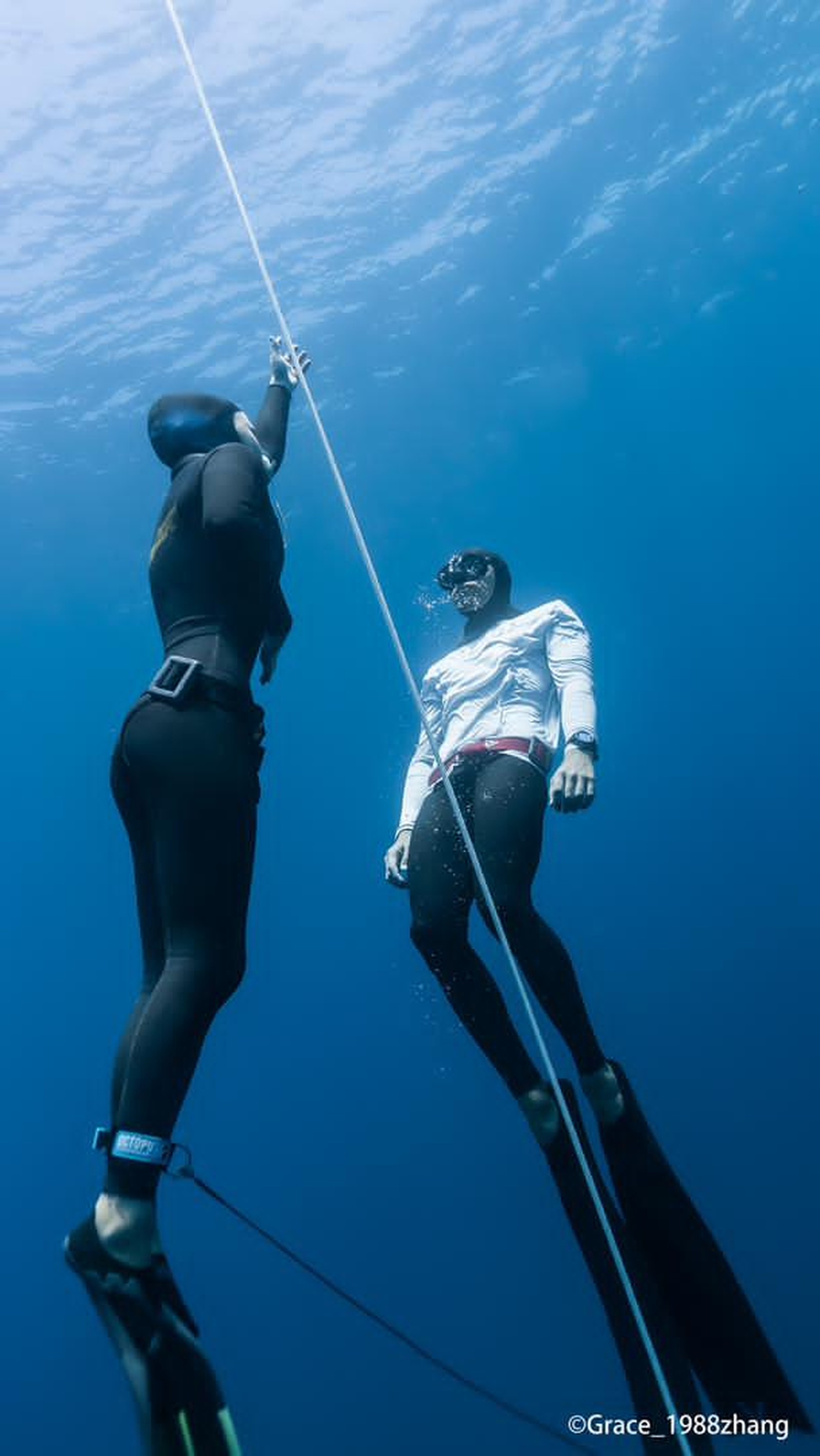
Why You’re Not Progressing in Freediving (And How to Break Through a Plateau)
Almost every freediver experiences it. At first, progress feels almost effortless. Ten meters. Fifteen. Twenty. Every few sessions, you’re setting a new personal best. Then… Something changes. The depth stops increasing. Your breath hold refuses to improve. The dives that once felt exciting start feeling frustrating. You begin wondering: “Have I reached my limit?”
After coaching freedivers for many years, I’ve heard that question countless times. And almost every time… The answer is the same. No. You’ve probably reached a plateau. And plateaus are not signs that you’re finished. They’re a normal part of learning.
Progress Doesn’t Happen in a Straight Line
One of the biggest mistakes beginners make is expecting improvement to be linear. They imagine a graph that rises steadily. Reality looks very different. Progress usually comes in steps. You improve. Then everything seems to stop. Then, sometimes almost overnight, another breakthrough appears. The plateau wasn’t a failure. It was preparation.
Your Body Learns Faster Than Your Mind
Sometimes your body has already adapted. Your mind simply hasn’t caught up. I’ve seen divers who were physically capable of another ten meters but mentally convinced they couldn’t go deeper. Nothing changed physically. Only confidence. Once they trusted themselves… The plateau disappeared.
You’re Measuring the Wrong Thing
Many divers judge every session with one question: “Did I go deeper?” I prefer another question. “Did I become a better diver today?” Those are very different ideas. Maybe today you didn’t dive deeper. But your equalization was smoother. Your duck dive cleaner. Your turns calmer. Those are improvements too. And they often matter far more in the long run.
Why You Shouldn’t Chase a Personal Best on Every Training Session

Technique Usually Reaches Its Limit Before Physiology
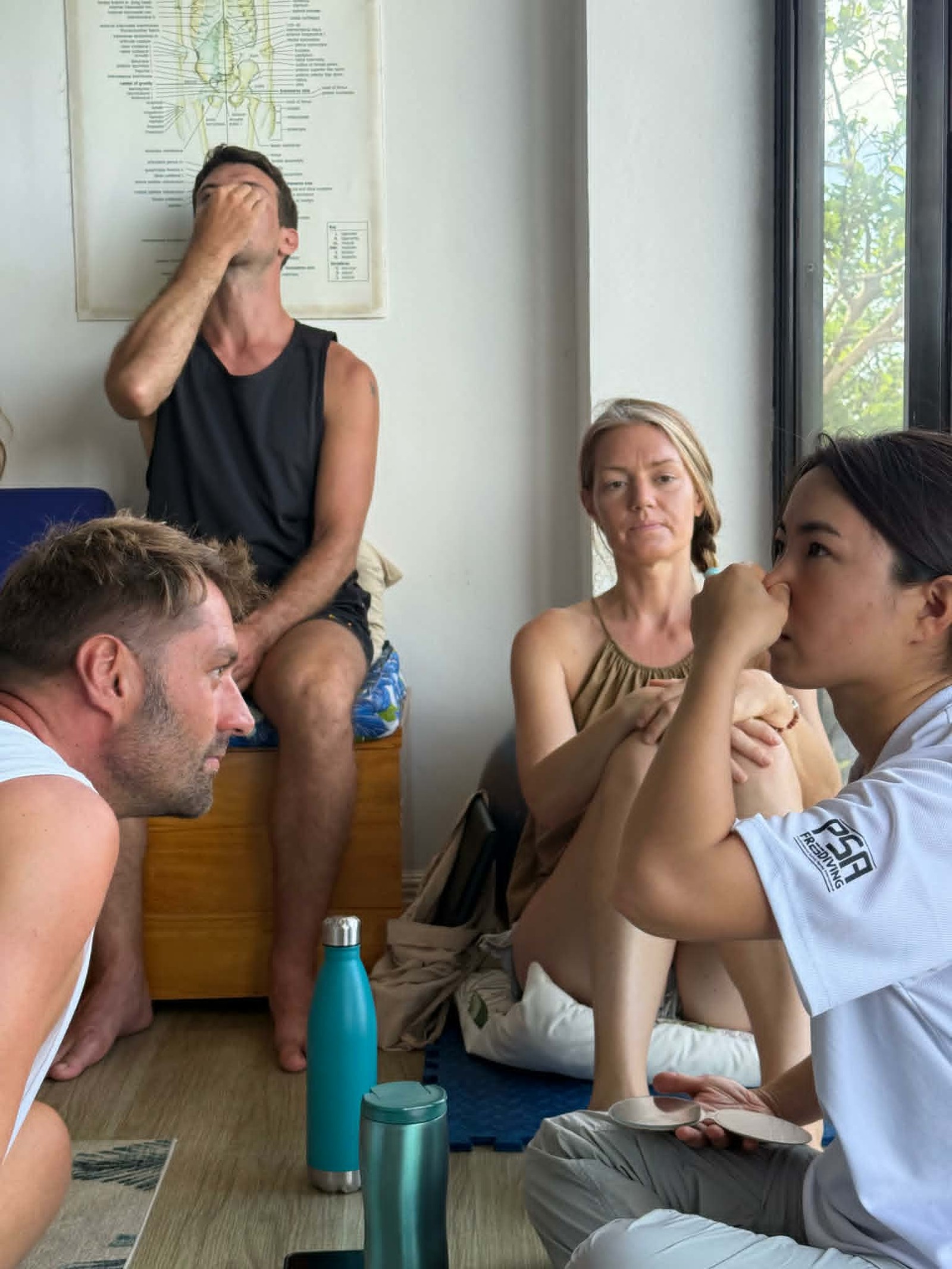
This is probably the biggest reason I see people plateau. They’re trying to solve a technical problem with physical effort. They kick harder. Pull harder. Try longer breath holds. When the real issue is often something much simpler. A head position. A finning rhythm. An equalization habit. A tiny inefficiency repeated hundreds of times. Small technical improvements often produce surprisingly large performance gains.
You’re Training Too Hard
Coach’s Tip: Before changing your entire training plan, improve your sleep, recovery and consistency. Plateaus are often outside the water.
This surprises many people. Sometimes the reason you’re not progressing is because you’re doing too much. Too many deep dives. Too many maximum breath holds. Too little recovery. The body doesn’t become stronger while accumulating fatigue. It becomes stronger while recovering from it. Sometimes the breakthrough you’re waiting for begins with a rest day.
You’re Always Training the Same Way
Imagine going to the gym and doing exactly the same workout every day. Eventually… Progress would stop. Freediving is no different. If every session looks identical… Your adaptations eventually slow down. Variation creates growth. Technical sessions, pool sessions, depth sessions, easy sessions, mental training… Each develops something different.
The Ocean Doesn’t Reward Impatience
I’ve never seen someone rush their way through a plateau. The divers who progress fastest usually become more patient. Not less. They become curious. They ask: “What can I improve?” Instead of: “Why can’t I dive deeper?” That small change in mindset often unlocks surprisingly large improvements.

Sometimes You Need New Feedback
One challenge in freediving is that many mistakes are invisible to the person making them. That’s why coaching remains so valuable, even for experienced athletes. Sometimes a five-minute conversation reveals something you’ve repeated for months without realizing it. A different perspective can save an enormous amount of time.
Why Serious Freedivers Choose Camotes for Training
My Own Plateaus
People sometimes assume that because I dive beyond 130 meters, progression has always been smooth. It definitely hasn’t. I’ve had periods where nothing seemed to improve. Weeks where every dive felt average. Moments where I questioned whether I was moving forward at all. Looking back… Those periods often taught me the most. They forced me to become more analytical, more patient, more willing to improve the details instead of chasing the result. Ironically… Many of my biggest breakthroughs happened immediately after the periods that felt the most frustrating.
From My Experience: Almost every plateau I’ve experienced was solved by doing the basics better, not by adding complexity.
A Plateau Is Often a Sign of Growth
This may sound strange. But I actually like plateaus. Not while I’m living through them. Afterward. Because they usually mean I’m approaching the next level of understanding. The body is reorganizing, learning, adapting, preparing for something bigger. The visible progress pauses. The invisible progress continues.
Five Questions to Ask When Progress Stops
Before assuming you’ve reached your limit, ask yourself:
- Am I recovering enough?
Fatigue often disguises itself as stagnation.
- Have I improved my technique recently?
Or am I simply repeating old habits?
- Am I trying to solve everything with more effort?
Sometimes less effort produces better dives.
- Have I become too focused on numbers?
Depth isn’t the only measure of progress.
- What can I learn from this plateau?
That question often changes everything.
Frequently Asked Questions
Is it normal to stop improving?
Absolutely. Every freediver experiences plateaus. They’re a normal part of long-term progression.
How long do plateaus last?
It varies. Some last a few sessions. Others last weeks or even months. Consistent, intelligent training usually leads to the next breakthrough.
Should I train harder if I’m stuck?
Not necessarily. Sometimes better recovery, better technique or better coaching is far more valuable than simply increasing training volume.
Can fear cause a plateau?
Yes. Mental barriers often influence performance as much as physical ones, especially in depth disciplines.
How do elite freedivers continue progressing?
By constantly refining small details rather than searching for dramatic breakthroughs.
Final Thoughts
One of the greatest misconceptions about mastery is that experts stop struggling. They don’t. They simply learn to see struggle differently. A plateau isn’t a wall. It’s an invitation. An invitation to become more observant, more patient, more curious. The deeper I’ve gone in freediving, the less I believe progress comes from forcing the next step. It comes from understanding the current one.
Every plateau I’ve ever experienced eventually revealed something I needed to learn. Sometimes it was technical, sometimes physical. Very often… It was mental. So if your progress feels stuck today, don’t ask yourself: “Why am I not improving?” Ask instead: “What is this plateau trying to teach me?” You may discover that the obstacle standing in front of you isn’t preventing your progress. It’s preparing you for it.


