

Training for Deep Freediving: What My Journey to 130 Meters Taught Me
Training for Deep Freediving: What My Journey to 130 Meters Taught Me
When people hear that I’ve dived to 130 meters, they usually ask one question. “How did you train to get there?” They’re expecting some secret, a special breathing technique, a revolutionary training plan or an extraordinary genetic advantage. The truth is much less exciting. And, in my opinion, much more interesting.
Because the biggest lessons I learned on the way to 130 meters had very little to do with going deeper. They had everything to do with becoming a better diver. If you’re hoping this article contains a magical shortcut to deep diving, I’m afraid you’ll be disappointed. But if you’re interested in understanding what really allows people to progress safely over many years, I hope some of these lessons will help you—whether your goal is 20 meters or 120.
I Never Started Freediving to Dive 130 Meters
People often assume elite athletes have always dreamed of breaking records. That wasn’t really my story. Like many people, I simply fell in love with the feeling of being underwater. The silence. The freedom. The sensation of moving without bubbles. Depth came later.
Looking back, I’m actually grateful for that. Because if my only motivation had been chasing numbers, I probably wouldn’t still be diving today.
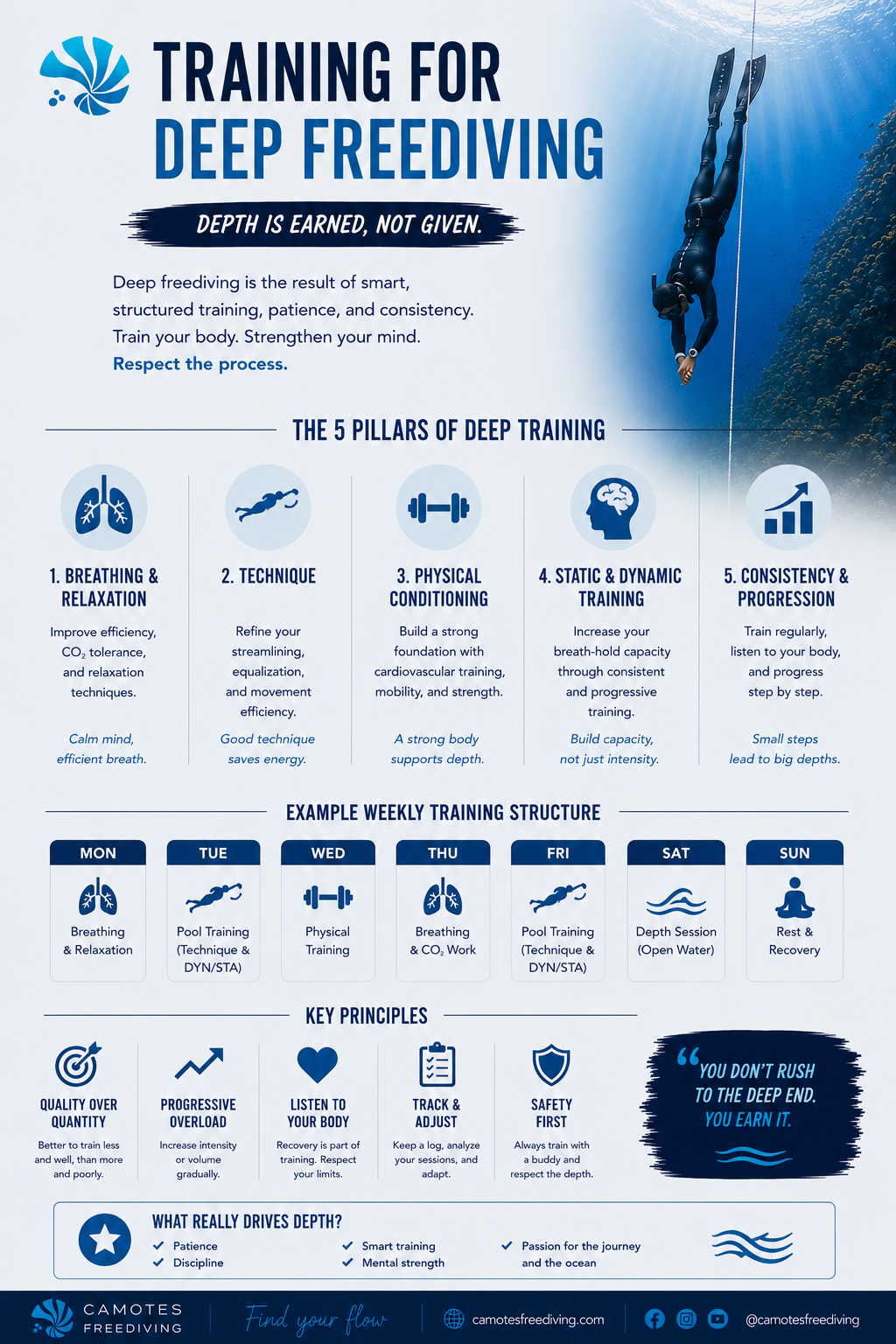
There Is No Secret Training Plan
One of the most common misconceptions is that world-class freedivers follow mysterious training methods. Honestly… Most of my training looks surprisingly ordinary. I spend countless hours working on: Technique, equalization, mobility, general fitness, mental preparation, recovery, consistency… None of those things are glamorous. Most aren’t particularly exciting. But together, year after year, they create extraordinary results. Deep diving is built on thousands of ordinary sessions. Not a handful of extraordinary ones.
Consistency Always Beats Intensity
Early in my freediving journey, I thought progress came from pushing harder, training longer, adding more sessions, and trying to improve every single day. Eventually I realised something. The best training plan isn’t the hardest one. It’s the one you can follow consistently for years. Missing one session doesn’t matter. Missing six months because you’re exhausted or injured does. The deepest dives of my career weren’t built during one exceptional season. They were built over more than a decade.
Coach’s Tip: Deep training isn’t about spending every day at maximum depth. The best athletes spend most of their time reinforcing skills they already know.
Why You Shouldn’t Chase a Personal Best on Every Training Session
My Biggest Improvement Wasn’t Physical
People usually expect me to say my lungs became much bigger or my breath-hold doubled. Neither is true. The biggest transformation happened inside my head. I became calmer, more patient, less emotional about performance. I stopped judging every dive and I learned to trust the process. Ironically, as I became less obsessed with depth, my performances improved dramatically. That lesson changed not only my freediving, but the way I approach almost everything in life.

I Learned to Respect Recovery
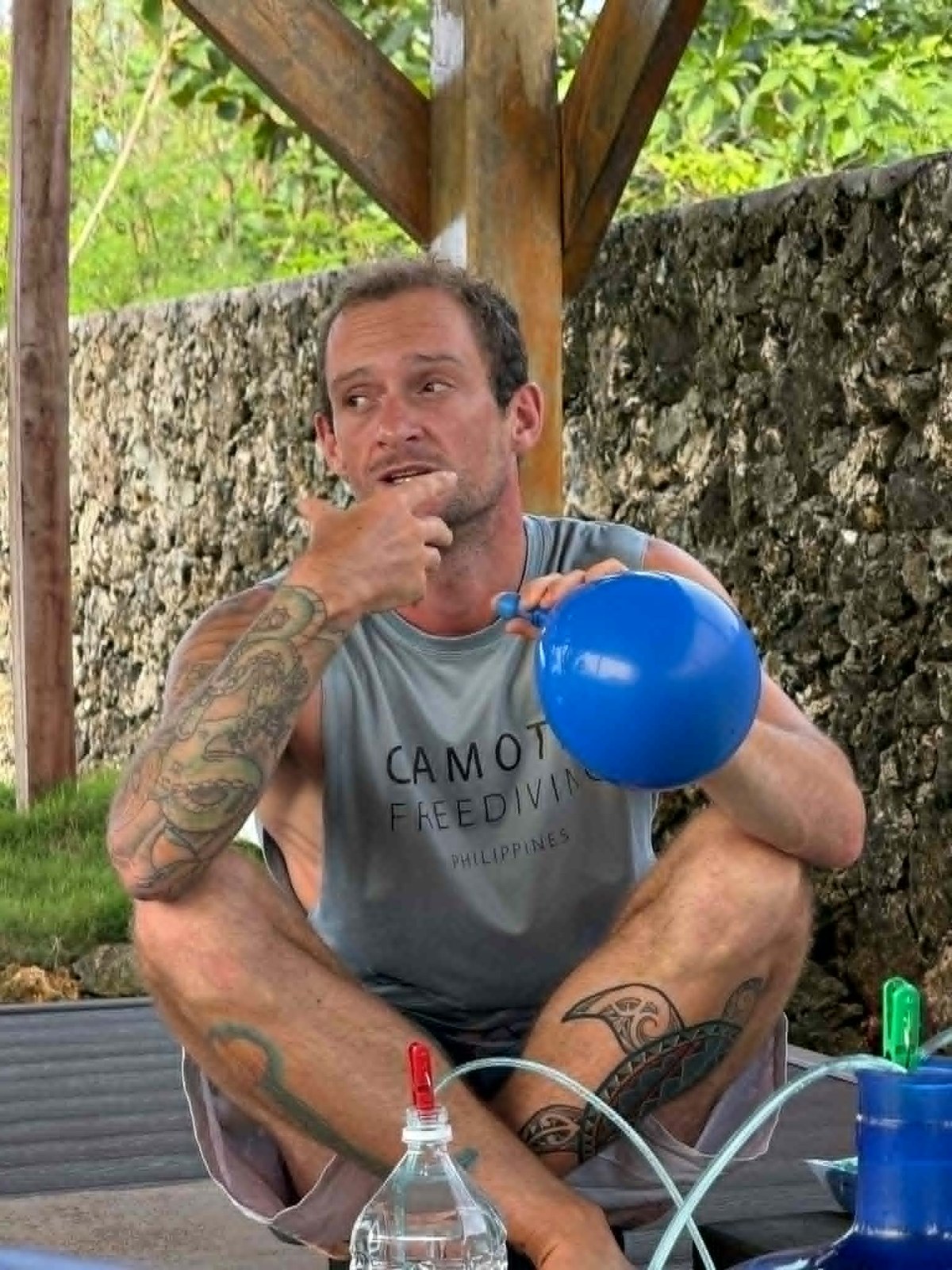
From My Experience: The deeper I’ve gone, the more I value easy training days. Recovery isn’t the opposite of progress—it is part of progress.
When you’re passionate about something, it’s tempting to train constantly. I’ve certainly made that mistake. Over time I realised that recovery isn’t what happens between training sessions. Recovery is part of training : Sleep, nutrition, stretching, mobility, relaxation, time with friends, mental recovery. These aren’t distractions from performance. They’re contributors to it. The body only adapts when you allow it to.
Technique Is Never Finished
People sometimes imagine that once you reach 100 meters, you’ve mastered technique. If anything, the opposite happens. The deeper you go, the more small imperfections become obvious. A tiny movement of the shoulders. A slight bend in the knees. A little unnecessary tension. Things that don’t matter at 30 meters suddenly become important at 100. That’s why I still spend so much time working on fundamentals. You never outgrow the basics.
Every Meter Must Be Earned
One thing I’ve never wanted to do is rush my progression. The ocean isn’t going anywhere. There is no prize for reaching a certain depth as quickly as possible. Every new depth should feel like a natural extension of the previous one. When progression becomes too fast, technique often struggles to keep up. Confidence becomes fragile. Safety decreases. I’d rather progress slowly and confidently than quickly and inconsistently. That philosophy has served me well.
The Best Dive Isn’t Always the Deepest
This is something I didn’t fully understand when I started. Now I do. Some of the dives I’m proudest of weren’t personal bests. They were dives where everything felt effortless, relaxed, controlled, beautiful. Sometimes a perfectly executed dive to 90 meters teaches me more than a messy dive to 100. Quality always matters more than numbers.

The Importance of Having Great Coaches
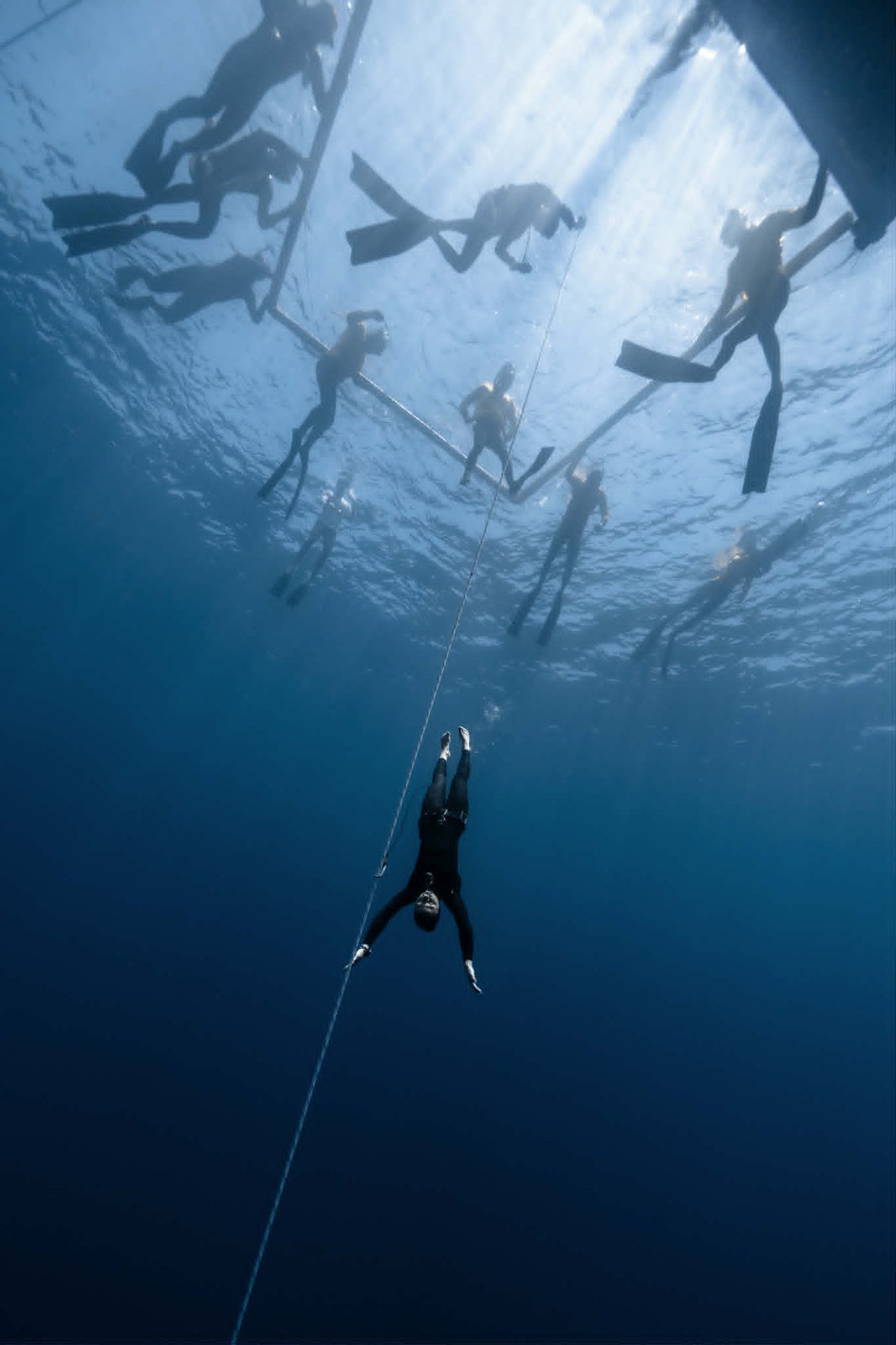
No athlete succeeds alone. I’ve been incredibly fortunate to learn from outstanding coaches throughout my career. Each one helped me see something I couldn’t see myself. Sometimes it was technical, sometimes physical, sometimes mental. The best coaches don’t simply tell you what to do. They help you understand yourself better. Even today, I continue seeking feedback. The day you believe you’ve learned everything is the day your progress begins to slow.
Competition Changed Me
Training and competition are two very different environments. In training, you can always try again tomorrow. Competition asks a different question. Can you perform today? Under pressure, in front of judges, on the right day? For years, I believed the biggest challenge was physical. Eventually I realised it was mental. Learning to enjoy competition instead of fearing it transformed my performances. When I stopped trying to prove something… I finally started expressing what I was capable of.
The Deepest Lesson Came From Failure
People often ask about my best dives. Very few ask about the dives that didn’t succeed. Yet those are often the ones that taught me the most. Every failed equalization, every difficult competition, every dive I chose to abort, every plateau … Each one forced me to become a better athlete. I’ve stopped seeing failure as the opposite of success. It’s simply information. Sometimes uncomfortable information. But valuable nonetheless.
Mental Training Became a Turning Point
For many years, I devoted most of my attention to physical and technical preparation. More recently, I invested heavily in mental performance. Looking back, I wish I had done it earlier. Learning how attention works. How pressure affects decision-making. How to prepare mentally. How to recover after setbacks. These skills have had an enormous impact on my consistency. Perhaps even more than another training session in the water.
I Train to Become Better, Not Just Deeper
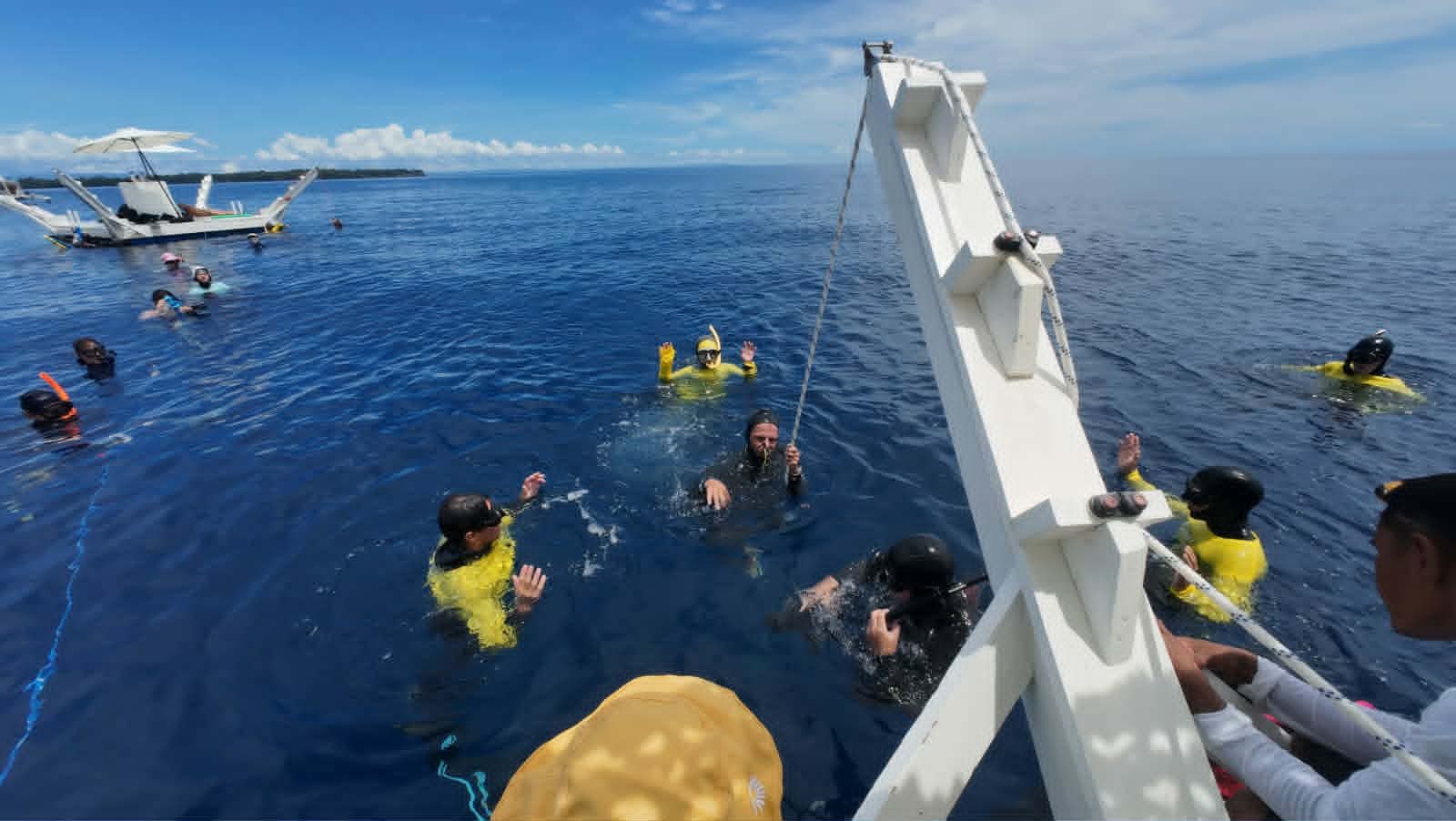
This may sound like a subtle distinction. It isn’t. If your only goal is depth, you’ll eventually become frustrated. Conditions change. Your body changes. Performance fluctuates. But if your goal is becoming a better freediver… Every training session has value, even difficult ones, especially difficult ones.
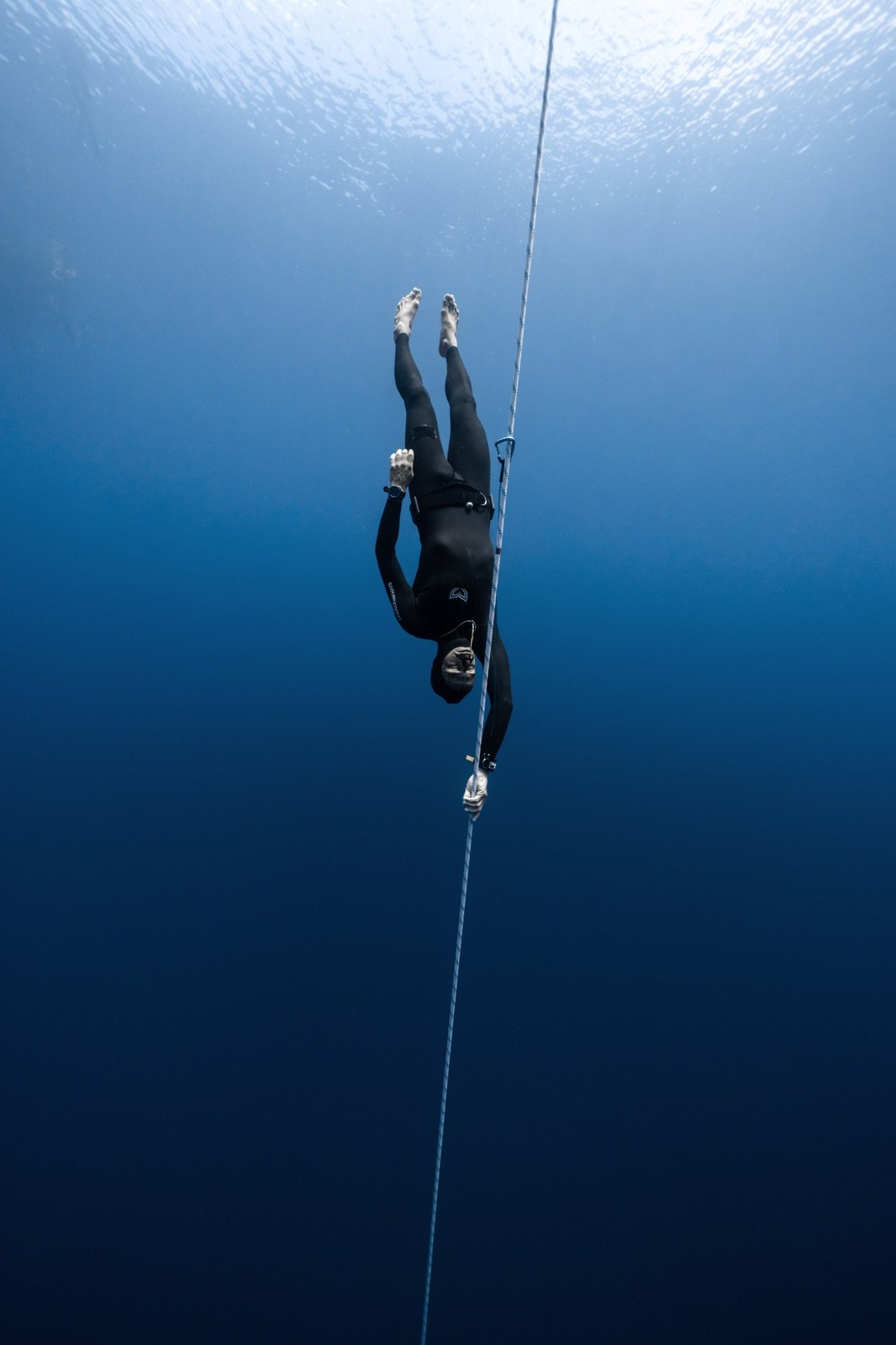
What 130 Meters Actually Feels Like
People often imagine deep dives as dramatic, intense experiences. For me, the best ones feel surprisingly quiet. Everything slows down. The movement becomes automatic. There’s no internal struggle. No forcing. Just complete presence. It’s difficult to describe. But I think that’s what keeps many of us coming back. Not the number. The feeling.
What Happens to Your Body at 10m, 30m, 50m and 100m
What I Would Tell My Younger Self
If I could speak to the person who started freediving all those years ago, I’d probably say: Slow down. Be patient. Stop comparing yourself. Trust your coaches. Enjoy the process. Don’t rush depth. Learn to appreciate beautiful dives—not only deep dives. Understand that progress isn’t measured every day. And remember that one day you’ll realize the journey itself was always the most rewarding part.
What Really Separates Elite Freedivers?
After spending years around some of the best freedivers in the world, I’ve noticed something. They aren’t necessarily the most talented. They’re the most consistent. They show up. They continue learning. They remain humble. They respect the ocean. They pay attention to details. They enjoy the process. Depth is simply the visible consequence of those invisible habits.
Elite Freedivers Aren’t Holding Their Breath All Day Long—and Neither Should You
My Greatest Achievement Isn’t 130 Meters
People often assume my proudest achievement is a number. It isn’t. My proudest achievement is building a life around something I genuinely love. Teaching. Coaching. Helping students discover freediving. Organizing competitions. Watching athletes achieve dreams they once thought impossible. Records will eventually be broken. Depths will be surpassed. But helping someone change the way they see themselves… That stays with you forever.

Frequently Asked Questions
Do you need exceptional genetics to dive beyond 100 meters?
Good genetics can certainly help, but they are only one part of the equation. Years of consistent training, excellent coaching, technical efficiency, mental preparation, and patience play a much larger role than most people realise.
How many years does it take to become a deep freediver?
There is no universal timeline. Some athletes progress faster than others, but deep freediving should never be rushed. Long-term, sustainable progression is always safer than chasing rapid gains.
What was the hardest skill to develop?
For me, the mental side eventually became the biggest challenge. Learning to manage pressure, accept failure, trust my preparation, and remain fully present has been just as important as any physical or technical skill.
Do you still train the basics?
Absolutely. In fact, I probably spend more time refining fundamentals today than I did when I was a beginner. The deeper you go, the more important those fundamentals become.
What advice would you give someone who dreams of diving deep?
Forget about the number.
Become the best freediver you can be.
Master the basics.
Stay curious.
Be patient.
Respect the ocean.
If you do those things consistently, you’ll probably dive much deeper than you currently imagine.
Final Thoughts
When people ask me about 130 meters, they usually think they’re asking about one dive. They’re not. They’re asking about thousands of dives. Thousands of hours. Thousands of small decisions. Thousands of opportunities to improve by just one percent. That’s how deep freediving is built. Not through extraordinary moments. Through ordinary ones repeated consistently. If there’s one thing this journey has taught me, it’s that greatness rarely comes from chasing greatness. It comes from falling in love with the process of becoming just a little better every day. The ocean has taught me patience, humility, curiosity, discipline, and perhaps most importantly… That the deepest journey isn’t measured in meters.It’s measured by the person you become along the way.
Further Reading:
How Often Should You Train Freediving
What Happens to Your Body at 10m, 30m, 50m and 100m
How Long Does It Take to Become a Good Freediver


