

Why You Should Never Hyperventilate Before Freediving
Almost everyone has heard the advice. “Take lots of deep breaths before you dive. Maybe a friend told you. Maybe you saw it in an old movie. Maybe someone genuinely believed they were giving you good advice. Unfortunately… It’s one of the most dangerous myths in freediving. In fact, one of the very first things I teach every beginner is exactly the opposite. Never hyperventilate before a dive. Not because it doesn’t work. Ironically… Because it does. And that’s exactly what makes it dangerous.
What Is Hyperventilation?
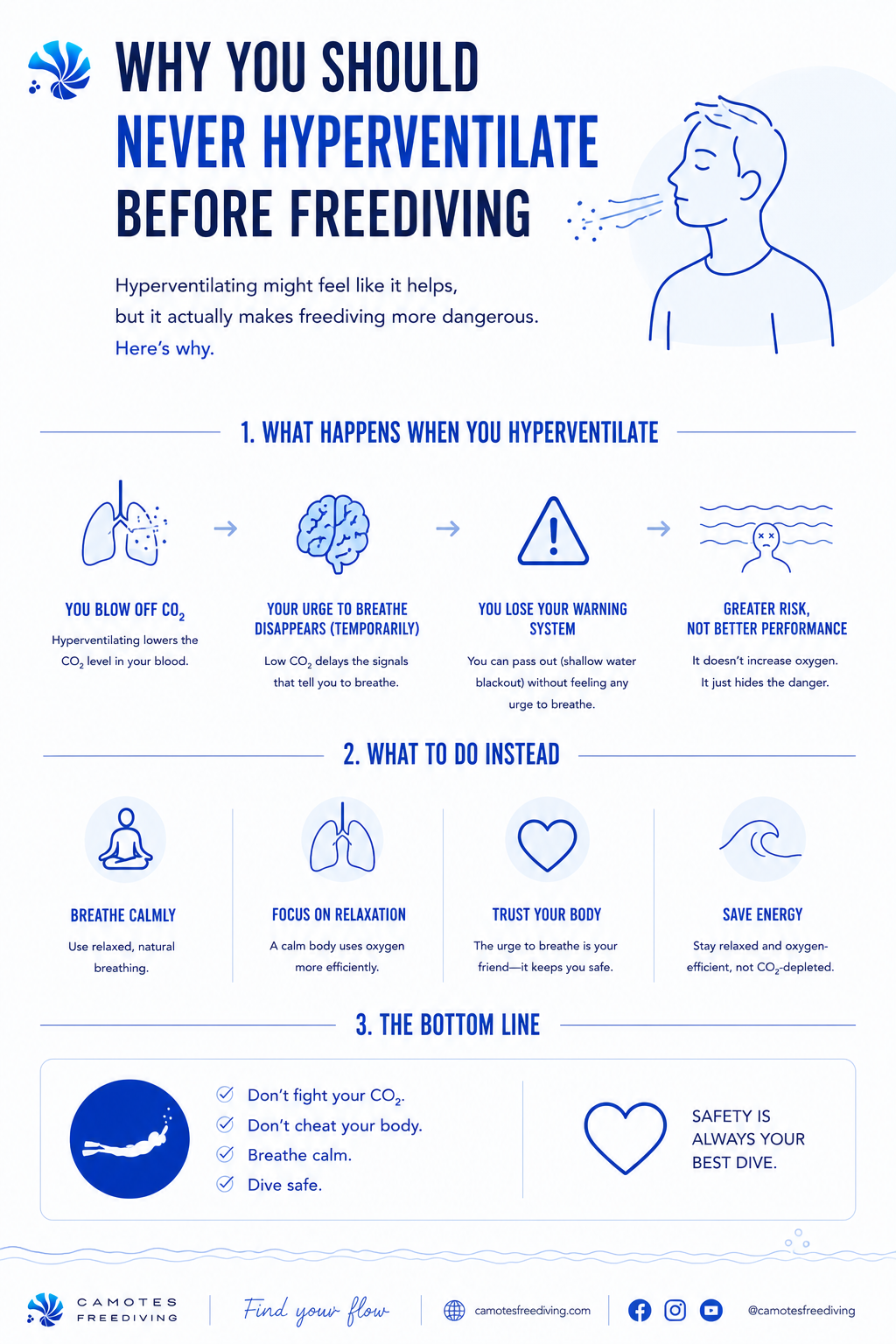
The word hyperventilation simply means breathing more than your body needs. Usually this involves taking rapid, deep breaths for several seconds before holding your breath. People often do it because they think they’re filling their body with more oxygen. That sounds logical. But physiology tells a different story.
The Biggest Misunderstanding
Here’s the key idea. Hyperventilation does not significantly increase the amount of oxygen in your blood. That surprises many people. Your blood is already almost fully saturated with oxygen after normal relaxed breathing. Imagine filling a glass that’s already full. Pouring more water doesn’t make it fuller. It simply overflows. The same thing happens with oxygen. You’re not increasing your oxygen reserves.
So What Does Hyperventilation Actually Do?
Instead of adding oxygen… Hyperventilation removes carbon dioxide (CO₂). Remember our previous discussion about the urge to breathe? Your brain primarily uses rising CO₂ as its signal that it’s time to breathe. Hyperventilation lowers that signal. It’s like turning down the volume of a smoke alarm. The fire hasn’t disappeared. You’ve simply made it harder to hear.
Why CO₂ Causes the Urge to Breathe (and Why It’s a Good Thing)
Why That’s Dangerous
Imagine driving a car. Your fuel gauge stops working. The engine still consumes fuel exactly as before. You simply no longer know how much remains. That’s essentially what hyperventilation does. Your body continues consuming oxygen normally. But the urge to breathe arrives much later. This creates a dangerous situation. Your oxygen can fall to critically low levels before you feel an overwhelming need to surface. That’s how blackouts happen.
Blackout Doesn’t Feel Dramatic
One of the reasons hypoxic blackout is so dangerous is that it usually isn’t accompanied by intense suffering. Many people imagine they’ll feel terrible first. That’s often not the case. A diver may simply lose consciousness without experiencing overwhelming distress beforehand. That’s why understanding physiology matters so much. Your warning system has been delayed. Not because your body became stronger. Because its alarm became quieter.
More Time Doesn’t Mean More Safety
Sometimes beginners proudly tell me: “I held my breath thirty seconds longer after hyperventilating.” That’s entirely possible. But it’s not an improvement. It’s simply a longer period without reliable feedback. Holding your breath longer isn’t always better. Holding your breath safely is better. Those are very different goals.
The Best Breath-Up Looks Surprisingly Ordinary
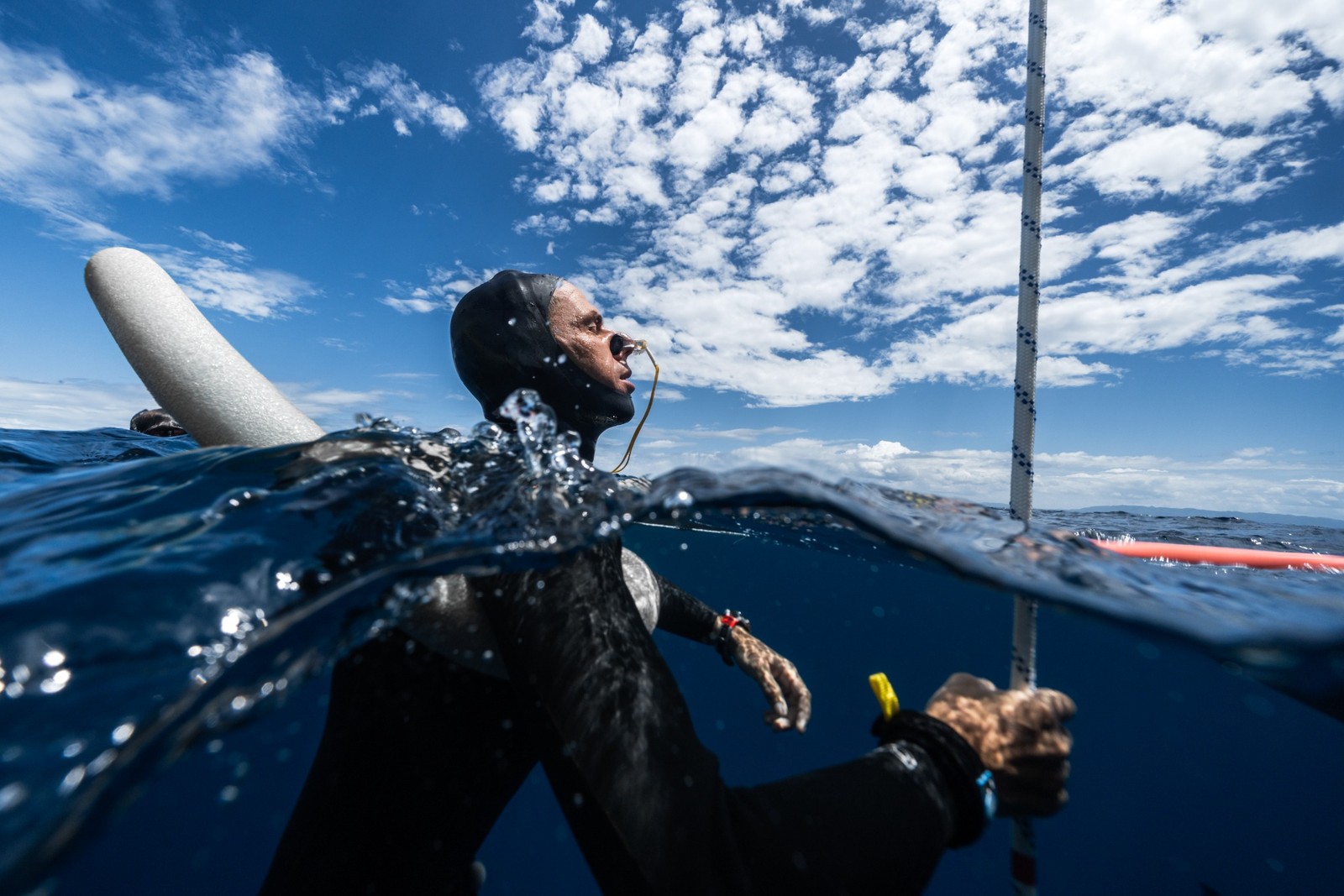
Watch experienced freedivers preparing for a dive. You probably won’t see dramatic breathing. No rapid inhalations. No frantic chest movements. Instead… Everything looks calm, slow, controlled, almost boring. That’s exactly how it should look. Good freediving begins with relaxation—not excitement.
Movies Got This Wrong
If you’ve watched films featuring underwater scenes, you’ve probably seen actors taking huge, rapid breaths before diving. It looks dramatic. It creates tension. It’s also one of the least realistic parts of the scene. Real freedivers preparing for serious dives usually become quieter, not louder. Slower, not faster. The best breath-up is almost invisible.

Relaxation Increases Performance More Than Hyperventilation
One of the biggest lessons I’ve learned over the years is that relaxation consistently outperforms force. A calm diver consumes less oxygen, produces less carbon dioxide, makes better decisions, moves more efficiently. Everything becomes easier. Hyperventilation does the opposite. It creates unnecessary excitement before the dive has even begun and increases your heart rate and therefore oxygen consumption
Proper Breathing Before a Dive
So what should you do instead? Keep it simple. Breathe normally, slowly, comfortably. Allow your breathing to settle naturally. Your final inhalation should feel full but relaxed. Not forced. Not desperate. Think of your breath-up as preparing your mind as much as your lungs.
One Mistake I See Often: Divers mistake deep breathing for good breathing. The goal is relaxation, not blowing off as much CO₂ as possible.
My Own Approach
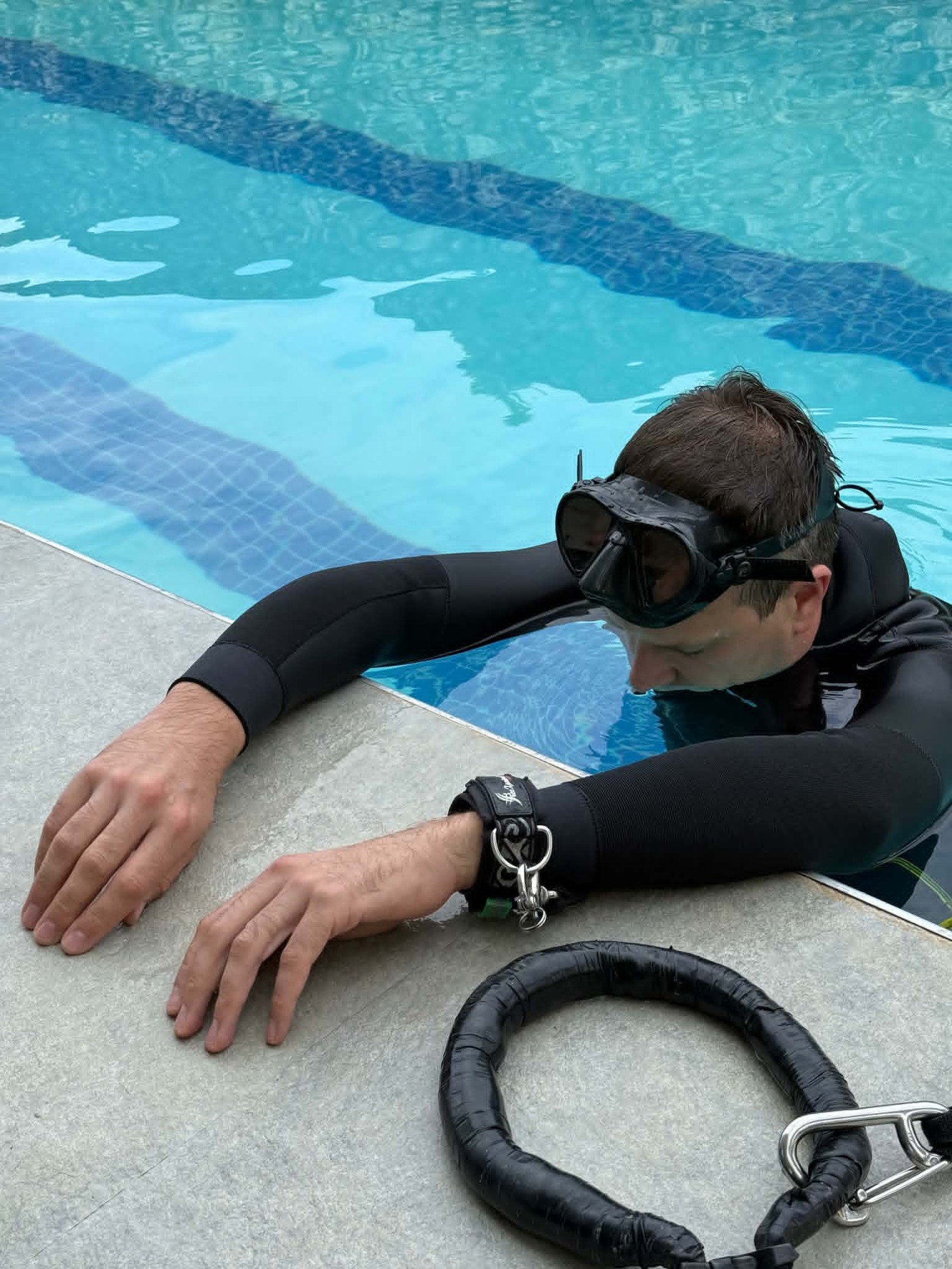
People sometimes ask what my breath-up looks like before a deep dive. Honestly… If you watched it from the surface, you might think I wasn’t doing very much. That’s intentional. Years of experience have taught me that calm preparation almost always produces better dives than trying to force readiness. The body performs remarkably well when we stop trying to outsmart it.
Five Rules for a Safe Breath-Up
- Never hyperventilate.
More breathing does not mean more oxygen.
- Breathe slowly.
Let your nervous system settle.
- Stay relaxed.
Relaxation improves efficiency far more than aggressive breathing.
- Always dive with a properly trained buddy.
Good preparation includes good safety.
- Respect your body’s signals.
They’re there to help you. Not to limit you.
Coach’s Tip: Your breathe-up should leave you feeling calm and comfortable—not light-headed.
Frequently Asked Questions
Does hyperventilation increase oxygen?
Not significantly. Your blood is already close to fully saturated with oxygen after normal breathing.
Why does hyperventilation feel helpful?
Because it lowers carbon dioxide, delaying the urge to breathe. It changes how you feel, but it does not significantly increase your oxygen reserves.
Why is hyperventilation dangerous?
It delays your natural warning system while oxygen continues to decrease normally, increasing the risk of hypoxic blackout.
Should I ever hyperventilate before freediving?
No. Modern freediving education strongly advises against hyperventilation before any breath-hold dive.
What should a proper breath-up look like?
Calm, slow, relaxed breathing with no unnecessary effort or rapid deep breaths.
Final Thoughts
One of the greatest paradoxes in freediving is that many things which seem helpful at first glance actually work against us. Hyperventilation is a perfect example. It promises longer breath holds. And it often delivers them. But not by improving your physiology, by hiding it. Over the years, I’ve come to believe that the safest freedivers aren’t the ones who try to outsmart their bodies. They’re the ones who learn to trust them. The urge to breathe, the Mammalian Dive Reflex, relaxation. These aren’t obstacles. They’re partners.
In freediving, the goal isn’t simply to stay underwater longer. The goal is to return to the surface safely. Every single time.
Further Reading:
Training for Deep Freediving
Why Relaxation Is the Real Secret to Better Freediving
The Ultimate Guide to Freediving in the Philippines


