

How to Progress Safely in Freediving: From Your First Dive to 100 Meters
One of the questions I’m asked most often is: “How long will it take me to reach 30 meters?” Or 40. Or 60. Or sometimes even 100. My answer usually surprises people.
I don’t know.
Not because I don’t have enough experience to estimate it, but because it’s the wrong question. A better question is: “How can I become the best freediver I can be?” Depth is simply one way of measuring progress. It isn’t the only one, and it certainly isn’t the most important one.
After more than a decade of coaching freedivers—from complete beginners taking their first breaths underwater to instructors and competitive athletes—I have become convinced of one thing: The divers who progress the fastest are almost never the ones chasing depth the hardest. They’re the ones building solid foundations. Ironically, that’s exactly what eventually allows them to dive deeper than they ever imagined.
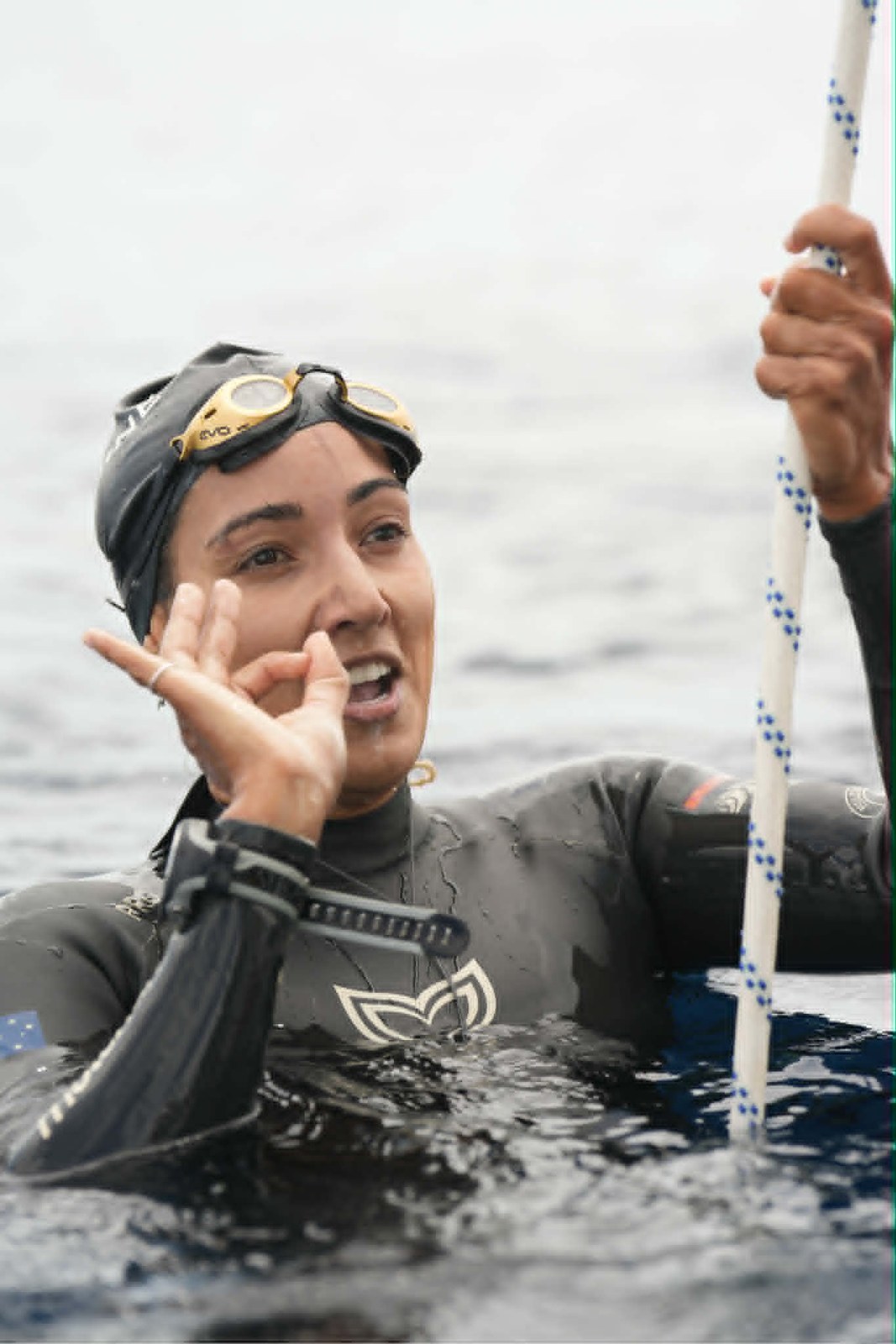
There Is No Fast Track
We live in a world obsessed with shortcuts. Lose weight quickly. Learn a language in thirty days. Become an expert overnight. Freediving doesn’t work like that. The ocean doesn’t care how motivated you are. It doesn’t care how badly you want thirty meters. Or sixty. Or one hundred. It simply responds to your level of preparation. Every great freediver I’ve met shares one thing in common. They accepted that mastery takes time.
Forget the Numbers for a Moment
When someone tells me they want to dive to 40 meters, I rarely think about 40 meters. Instead, I think about: Can they relax? Can they equalize effortlessly? Is their duck dive efficient? Do they maintain good body position? Do they move through the water without wasting energy? Can they rescue another diver? Those are the questions that matter. Depth takes care of itself.
What I Tell My Students: Your goal shouldn’t be to become a deep diver as quickly as possible. Your goal should be to become a diver who will still enjoy the sport ten years from now.
Progress Is Built Like a House
Imagine building your dream house. Would you start with the roof? Of course not. You begin with the foundations. Freediving is exactly the same. Every meter you gain rests on everything you learned before. Weak foundations eventually limit progress. Strong foundations continue supporting you for years. That’s why I often spend more time correcting a student’s body position at ten meters than discussing what they’ll do at thirty.
Your First Goal Shouldn’t Be Depth
When students arrive for a beginner course, many secretly hope they’ll surprise themselves. Maybe they’ll reach twenty meters. Maybe they’ll outperform everyone else. I understand the excitement. But if I could give one piece of advice, it would be this: Make your first goal becoming an excellent student. Stay curious. Ask questions. Pay attention to details. Learn why things work. The divers who focus on learning almost always outperform those focused on proving themselves.
Master One Skill at a Time
One of the easiest ways to slow your progress is trying to improve everything simultaneously. Relaxation. Equalization. Technique. Finning. Freefall. Flexibility. Turns. Breathing. Mental.
It’s simply too much. Instead, choose one area to improve. Maybe today your only objective is making every duck dive smoother. Tomorrow it might be reducing tension in your shoulders. Small improvements accumulate surprisingly quickly.
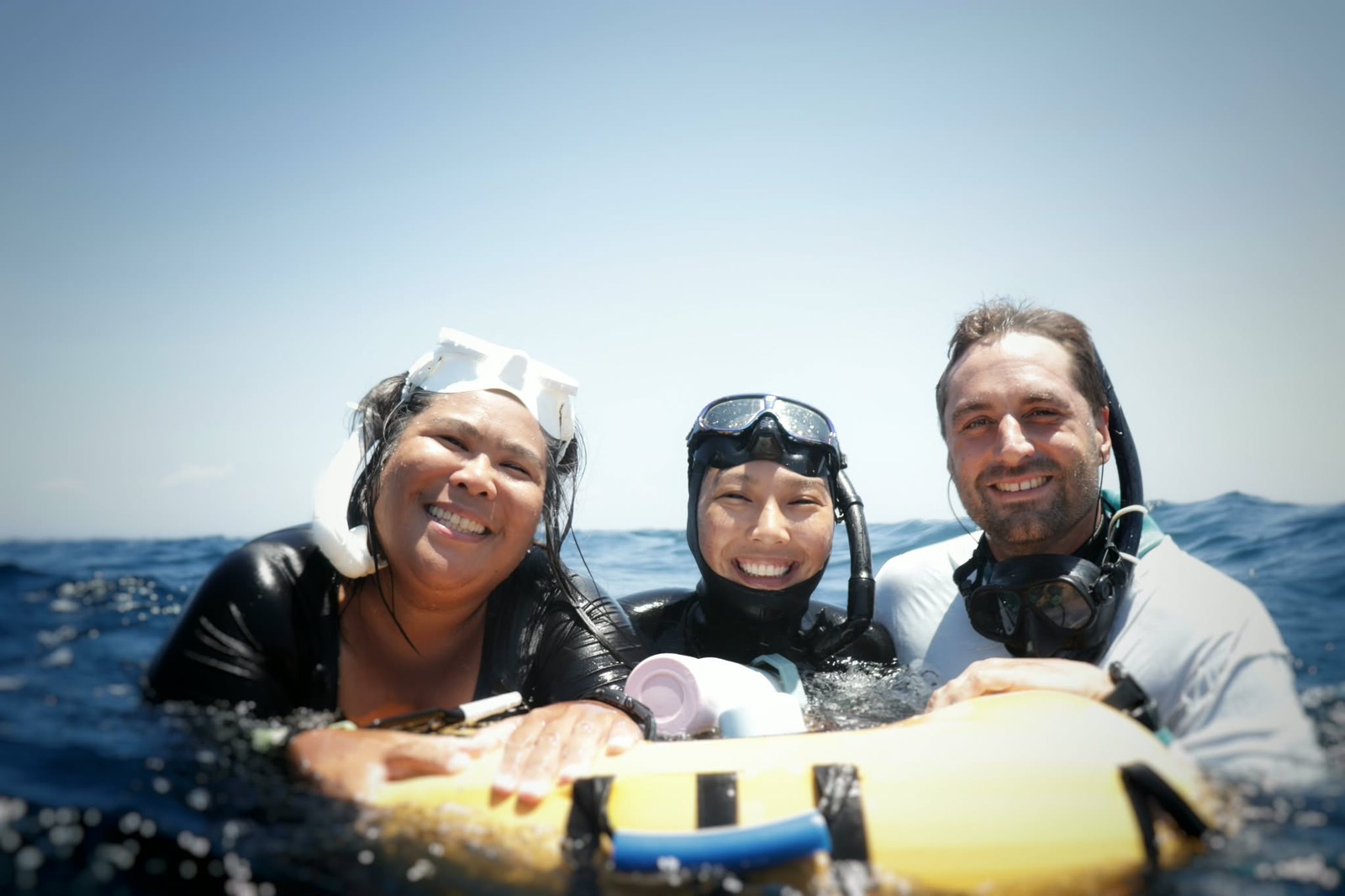
Technique Beats Strength
I’ve coached professional athletes from many different sports. Cyclists. Triathletes. Swimmers. CrossFit athletes. Many arrive expecting their fitness to give them a huge advantage. Sometimes it does. Sometimes it doesn’t. The water rewards efficiency far more than effort. I’ve seen relatively untrained individuals outperform elite athletes simply because they moved better. Technique is a gift that keeps paying dividends.
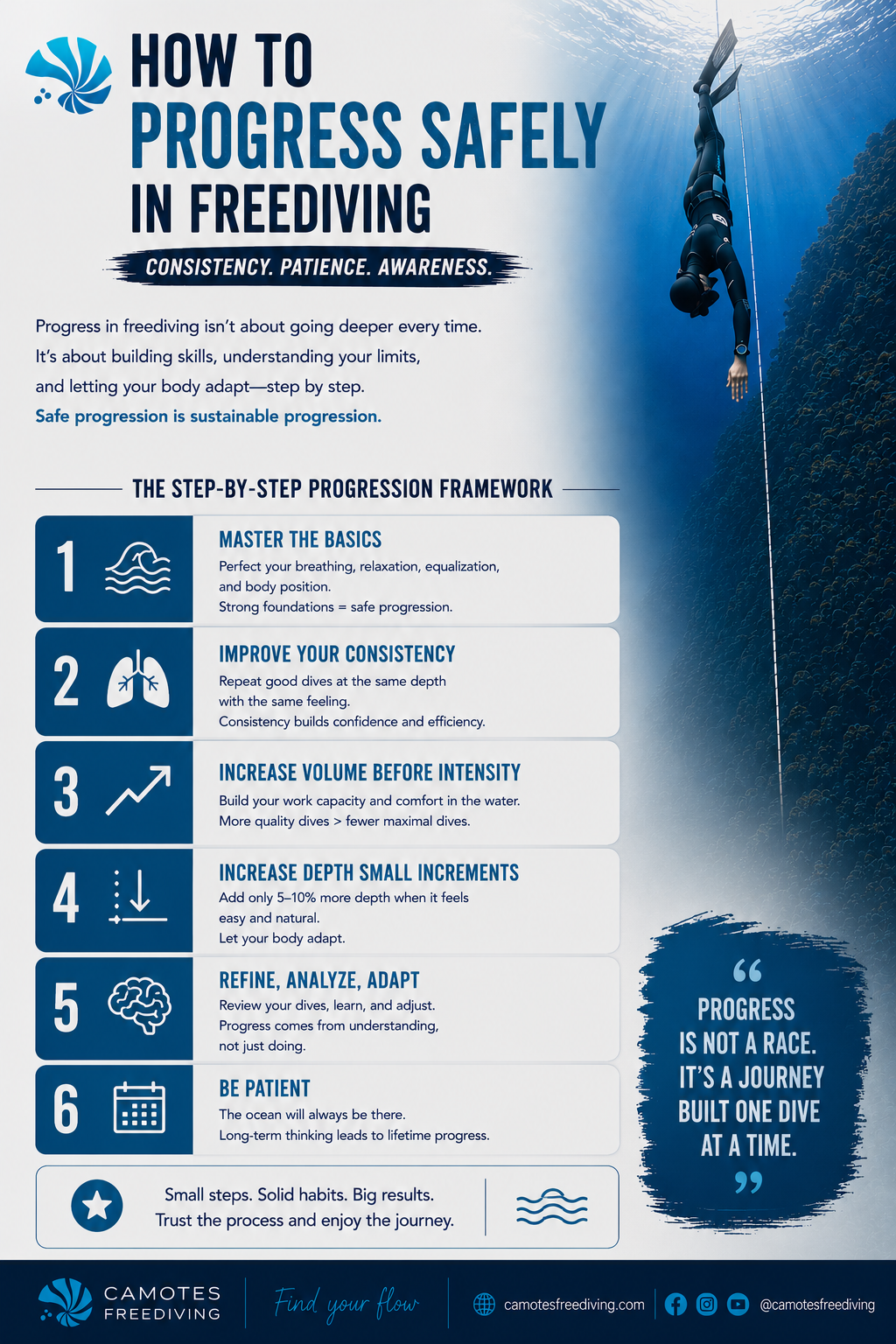
Learn to Love Repetition
Progress in freediving isn’t glamorous. It isn’t built on dramatic breakthroughs every week. It’s built through repetition. Hundreds of relaxed descents. Hundreds of clean duck dives. Hundreds of perfect equalizations. Hundreds of calm recoveries. That may sound boring. Personally, I find it fascinating. Because every repetition is another opportunity to become slightly better than yesterday.
Plateaus Are Part of the Journey
Sooner or later, every freediver experiences a plateau. Progress slows. Depth stops increasing. Confidence sometimes decreases. This is completely normal. The mistake many divers make is assuming they need to push harder. Usually they need to slow down and rest. Plateaus often signal that your body—or your mind—is integrating new skills. Sometimes the biggest improvements happen immediately after a period where nothing seems to change. Be patient.
Train the Whole Diver
Depth isn’t only built underwater. If you want to continue progressing, pay attention to everything that supports your diving. Mobility. Sleep. Nutrition. Recovery. Stress management. Mental preparation. General fitness. Breathing awareness. All of these influence performance. The best freedivers aren’t just good underwater. They build habits that support their diving every single day.
Don’t Compare Your Journey
Social media has made comparison almost unavoidable. Someone dives deeper. Someone progresses faster. Someone reaches a milestone younger than you. None of that matters. The only meaningful comparison is between who you are today and who you were last month. I’ve coached students who reached thirty meters within weeks. Others took years. Both succeeded. Both enjoyed the journey. Progress isn’t a race.
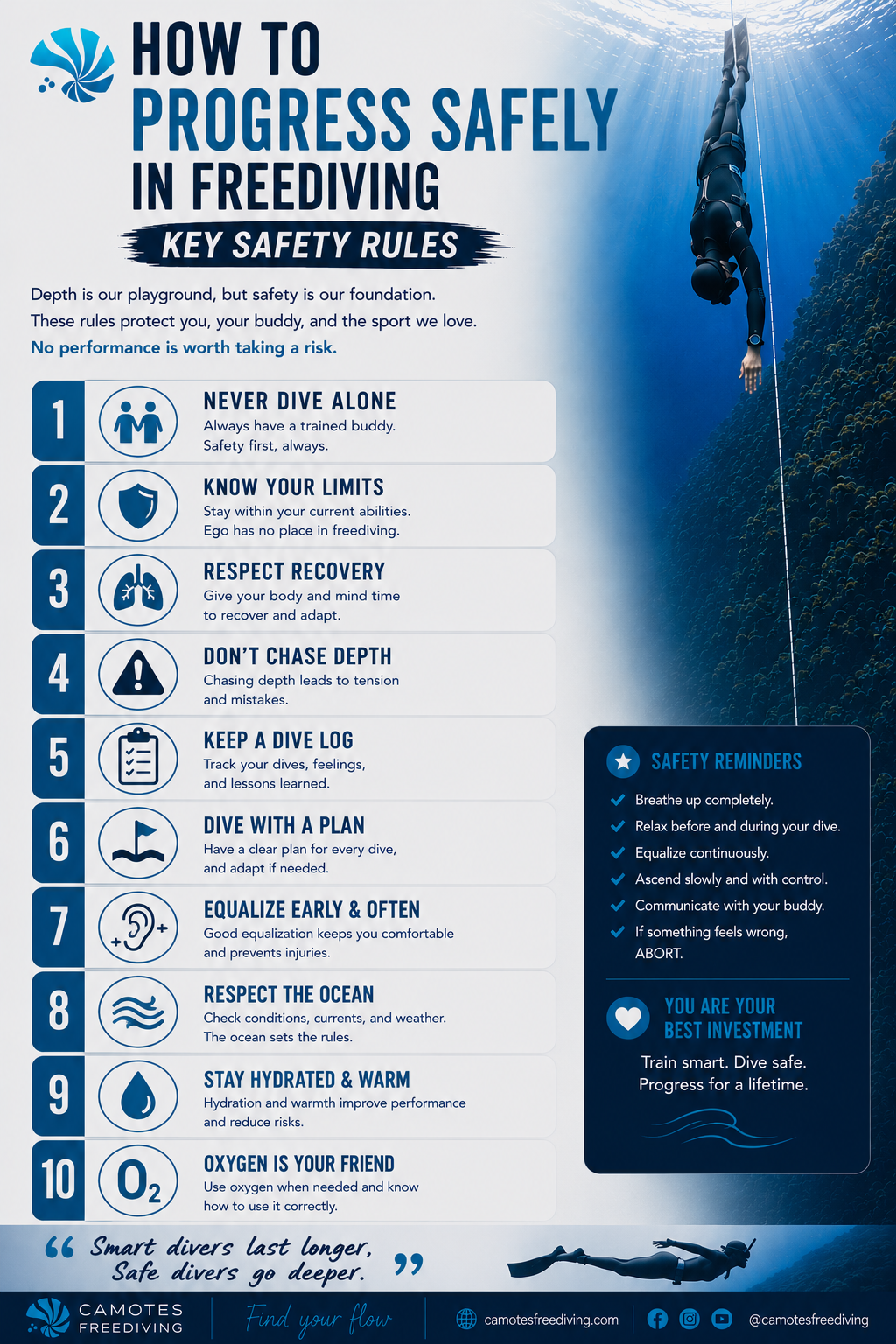
Safety Is Part of Progress
Some divers think safety slows them down. I believe the opposite. Safe divers progress faster. Why? Because confidence grows in safe environments. When you trust your buddy… Trust your instructor… Trust your preparation… Your body relaxes.
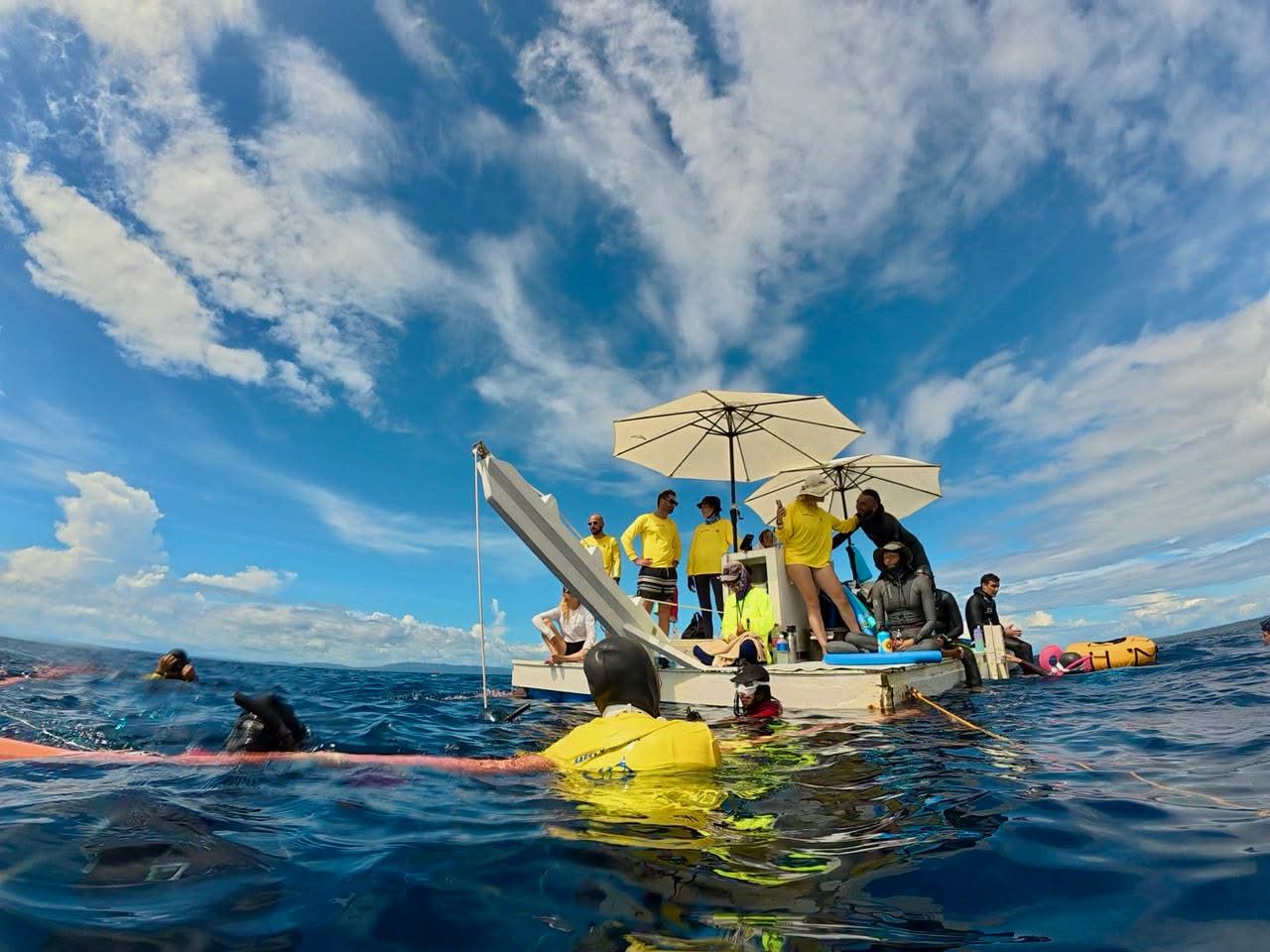
Relaxation improves performance. Performance builds confidence. Everything becomes connected. Safety isn’t separate from progress. It makes progress possible.
Recovery Is Training
One lesson I had to learn myself is that improvement doesn’t happen during training. It happens afterwards. Training creates adaptation. Recovery allows that adaptation to occur. If you’re constantly tired, chasing fatigue, or ignoring recovery, you’re limiting your own progress. Sometimes the smartest training session is the one you decide not to do.
Your Mind Will Become Your Biggest Challenge
During your first months, technique improves rapidly. Later, something interesting happens. The physical side becomes increasingly automatic. The mental side becomes increasingly important. Can you remain patient? Can you trust your preparation? Can you accept that some days won’t be personal bests? Can you enjoy diving without constantly measuring success in meters? These questions become more important with every stage of your journey.
The Secret Behind Elite Freedivers
People often ask me what separates elite athletes from everyone else. They expect a complicated answer. Honestly, it’s surprisingly simple. Elite freedivers consistently do ordinary things extraordinarily well. Their duck dives aren’t spectacular. They’re consistent. Their equalization isn’t dramatic. It’s reliable. Their preparation isn’t complicated. It’s disciplined. Excellence is usually boring. And that’s precisely why it works.
One Mistake I See Often: People celebrate personal bests but ignore consistency. Five beautiful dives at the same depth teach you far more than one lucky deep dive.
Why You Should Almost Never Train to Failure in Freediving
My Own Journey Changed Completely
When I first started freediving, I was like many people. I wanted depth. The deeper, the better. Every training session was measured in meters. Over the years, something changed. I became much more interested in quality than quantity. A perfectly executed dive to 70 meters became more satisfying than a messy dive to 75. Ironically, that’s when my performances accelerated. As I shifted my attention toward mastering the process rather than chasing the outcome, the results followed naturally. That mindset has been one of the biggest contributors to reaching the deepest dives of my career.
How to Know You’re Improving
Sometimes progress is invisible. You recover faster. You feel calmer. Your equalization becomes effortless. Your breathing slows. You finish dives feeling fresher. Your buddy comments that your movements look smoother. These are all signs of progress. Don’t overlook them simply because your depth hasn’t changed this week. Some of the most important improvements can’t be measured with a dive computer

The Role of Good Coaching
One of the biggest accelerators in freediving is feedback. You can’t always feel what you’re doing. An experienced instructor can often identify a small technical detail that completely changes your diving. Sometimes one sentence saves months of frustration. That’s why even elite athletes continue working with coaches. No matter how experienced you become, another pair of eyes remains incredibly valuable.
Enjoy the Journey
This may sound cliché, but I genuinely believe it. If you’re only happy when you set a personal best, you’ll spend most of your freediving career disappointed. Instead, learn to enjoy: The sunrise before training. The calm water. The feeling of gliding effortlessly. The conversations on the boat. The friendships. The learning. Those are the things you’ll remember years from now. The numbers become part of the story. They aren’t the whole story.
Frequently Asked Questions
How long does it take to reach 30 meters?
There is no universal timeline. Some divers achieve it within months, while others take several years. Consistency, quality coaching, and regular practice are much more important than speed.
Should I train every day?
Not necessarily. Recovery is essential for improvement. A balanced training schedule almost always produces better long-term progress than constantly pushing harder.
Is flexibility important?
Yes, particularly for equalization and efficient movement in the water. Improving mobility can significantly enhance comfort and performance.
When should I take an advanced course?
When the skills from your current level feel comfortable and automatic—not simply because you’re eager to collect the next certification.
Can anyone become a deep freediver?
Everyone has different physical and psychological limits, but almost everyone can progress much further than they initially believe with proper coaching, patience, and consistent training.
Final Thoughts
If there’s one lesson I’d like every freediver to remember, it’s this: Don’t build your freediving career around chasing numbers. Build it around mastering skills. Numbers come and go. Conditions change. Performance fluctuates. But excellent technique, good habits, sound judgment, and a calm mind will support you for the rest of your diving life. The ocean is incredibly patient. It isn’t asking you to become a great freediver tomorrow. It simply invites you to become a slightly better one every time you enter the water. And if you keep doing that, one day you’ll look back and realize you’ve travelled much farther than you ever imagined—not just in meters, but as a diver.
Further Reading:
The 10 Most Common Mistakes That Slow Down Your Freediving Progress
Training for Deep Freediving
Elite Freedivers Aren’t Holding Their Breath All Day Long—and Neither Should You


