

How Long Can the Average Person Hold Their Breath in Freediving? (And How Quickly Can You Improve?)
How Long Can the Average Person Hold Their Breath? (And How Quickly Can You Improve?)
It’s probably the question I hear more than any other. “How long can you hold your breath?” Usually followed by: “I can only hold mine for about 45 seconds. Is that bad?” People love comparing breath-hold times. It’s understandable. Holding your breath is one of those abilities that feels mysterious. Some people imagine freedivers are born with extraordinary lungs or superhuman abilities. The reality is much simpler. Most of what determines your breath hold isn’t genetics. It’s knowledge, relaxation, and practice. If you’ve ever wondered how your breath hold compares to other people—and whether you can improve it—this article is for you.
What Is the Average Breath Hold?
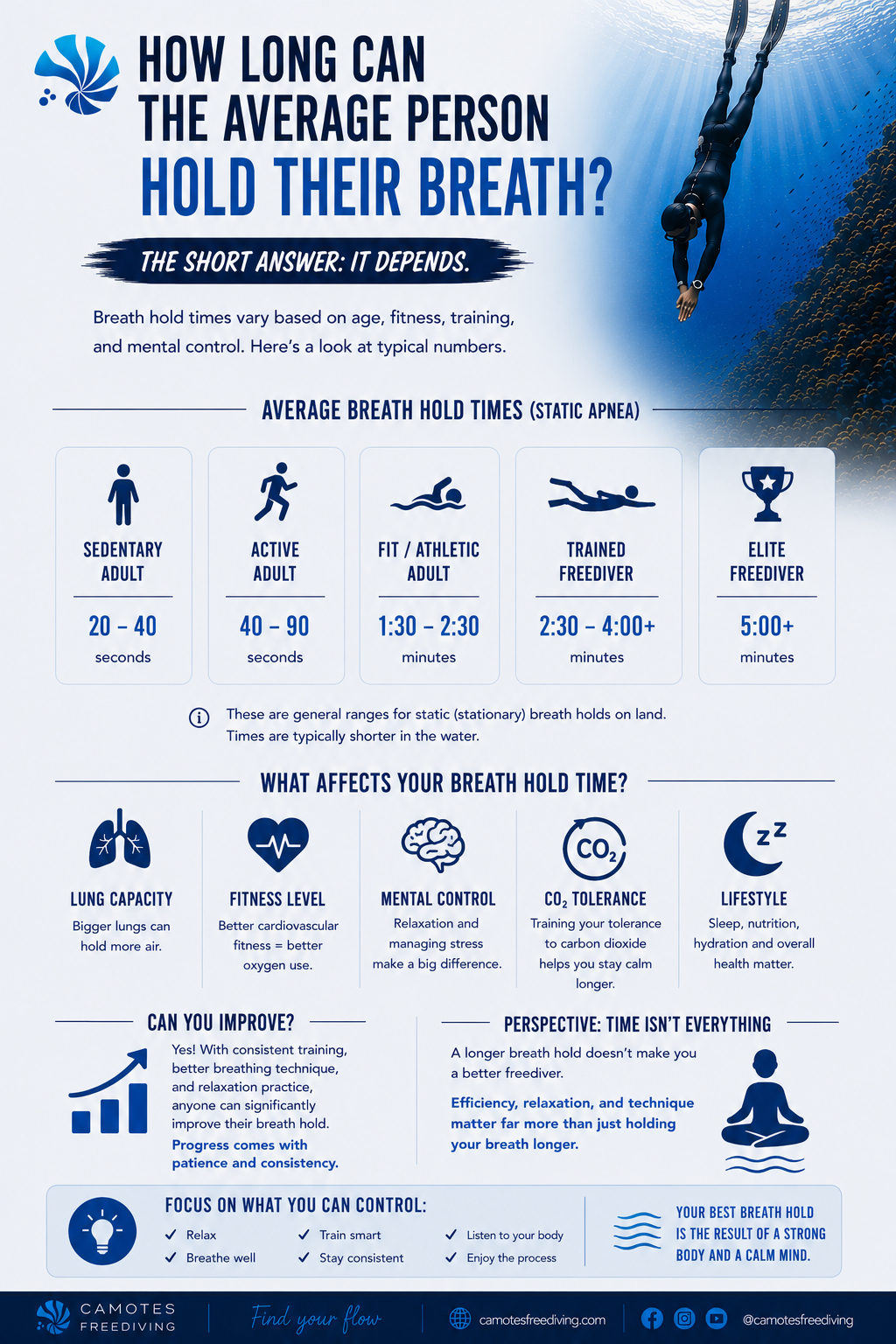
Let’s start with the question everyone asks. The average healthy adult, without any specific training, can usually hold their breath for somewhere between 30 seconds and 90 seconds. That’s a very broad range because many factors influence breath hold, including:
- Stress
- Fitness
- Previous breathing
- Relaxation
- Experience
- Water temperature
- Mental state
Some people naturally manage around one minute on their first attempt. Others struggle to reach thirty seconds. Neither tells me very much about their future potential as a freediver.
Your First Breath Hold Doesn’t Predict Your Potential
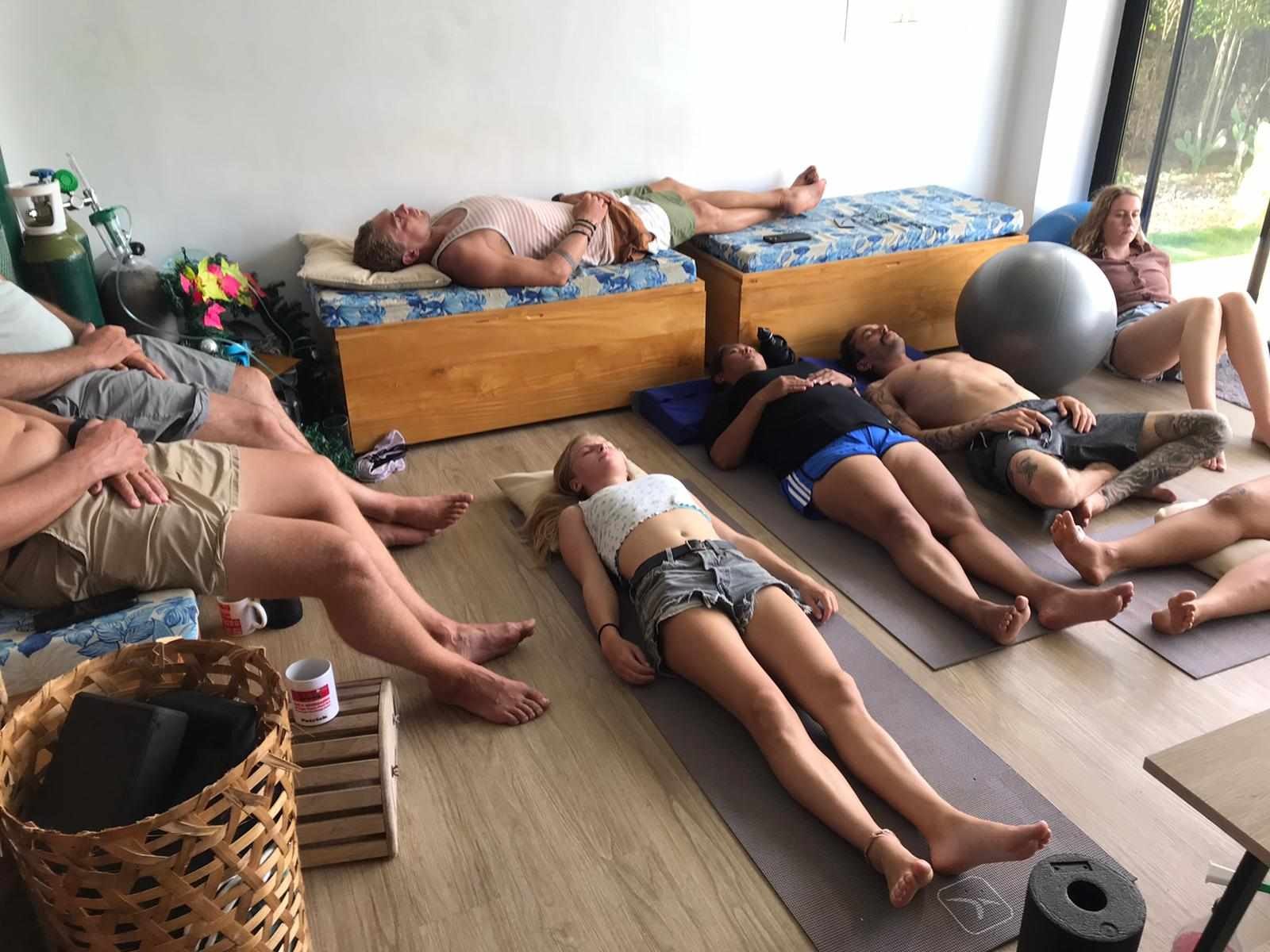
This is something I wish more beginners understood. I’ve taught students who could barely hold their breath for forty seconds during their first lesson. By the end of the weekend, they were comfortably exceeding two minutes. Not because they suddenly developed bigger lungs. Because they just got used to the feeling of the urge to breathe and relaxed. That’s one of the beautiful things about freediving. Improvement comes surprisingly quickly at first.
Why Beginners Usually Stop Too Early
Here’s something that surprises almost everyone. Most people don’t stop holding their breath because they’re actually out of oxygen. They stop because the urge to breathe becomes uncomfortable. That’s an important distinction. Your brain is responding primarily to rising carbon dioxide (CO₂), not immediately to dangerously low oxygen. Understanding this completely changes the way people approach breath-hold training. The goal isn’t fighting discomfort. The goal is becoming more comfortable with it.
Why CO₂ Causes the Urge to Breathe (and Why It’s a Good Thing)
Relaxation Is More Important Than Lung Size
One Mistake I See Often: People try to improve breath hold by fighting contractions instead of learning to relax through them.
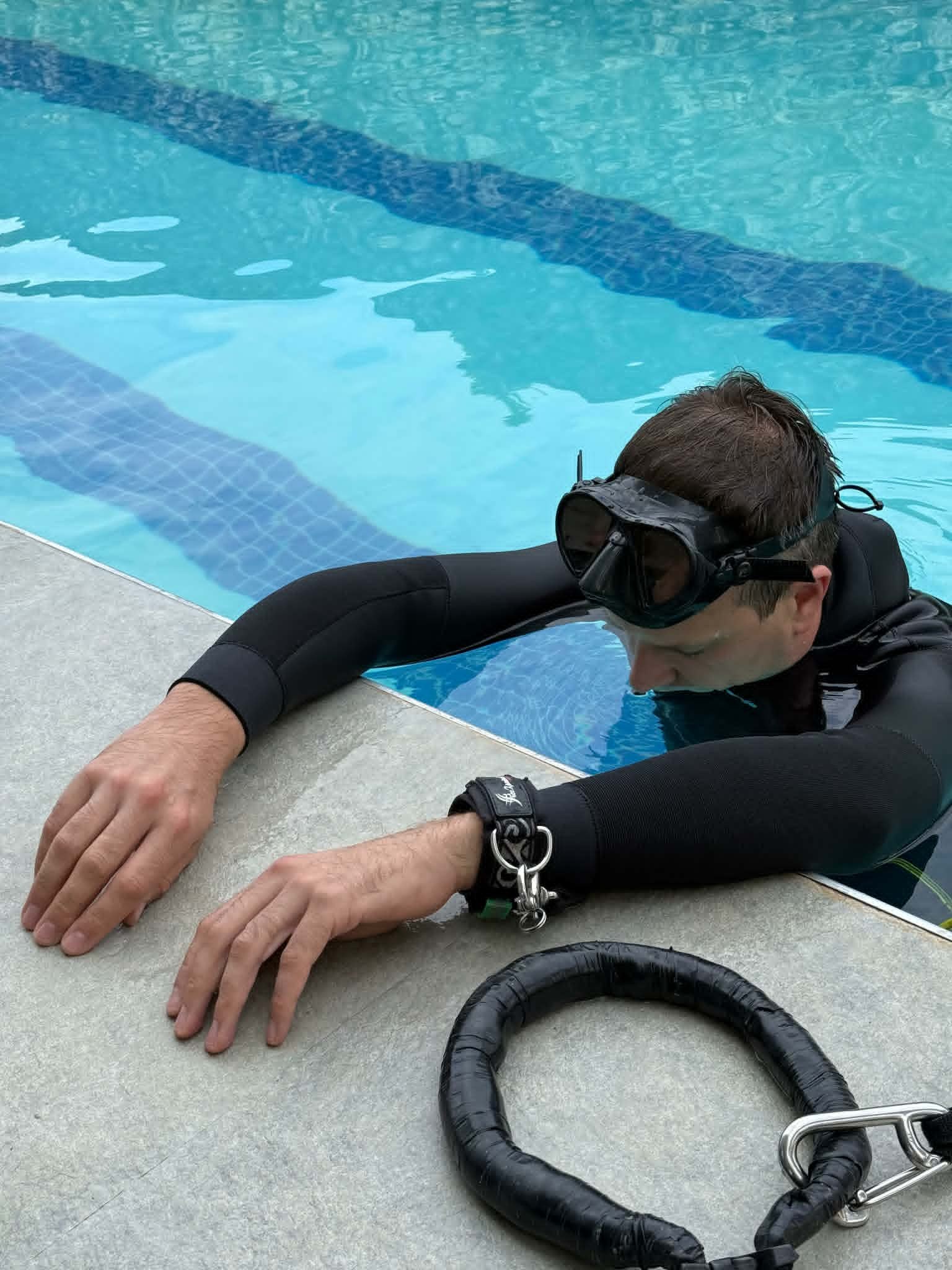
People often assume that larger lungs automatically mean longer breath holds. Lung capacity certainly helps. But it’s only one piece of the puzzle. I’ve met people with impressive lung volumes who struggled to stay relaxed. I’ve also coached people with completely average lungs who consistently outperformed expectations because they learned how to use oxygen efficiently. The body consumes oxygen. Relaxation reduces oxygen consumption. That’s why calm divers often outperform stronger divers.
Relaxation Is the Greatest Performance Enhancer in Freediving
Why Freedivers Hold Their Breath So Much Longer
When beginners hear that experienced freedivers regularly exceed four, five or even six minutes, they assume something extraordinary is happening. Actually, most of the improvement comes from several ordinary things combined:
- Better breathing.
- Greater relaxation.
- Improved technique.
- Lower heart rate.
- Reduced unnecessary movement.
- Better mental control.
Notice that none of those require exceptional genetics. They’re skills. Skills can be trained.
What Happens During Your First Freediving Course?
One of my favourite moments during every beginner course comes after the first static breath hold. Almost every student says something similar. “I didn’t know I could do that.” That’s because most people have never learned how to prepare properly. During your first course, you’ll discover:
- How to breathe efficiently.
- How to relax your body.
- How to reduce unnecessary tension.
- How to respond calmly to the urge to breathe.
Those simple changes often produce remarkable improvements within just a few days.
Don’t Practice Breath Holds Alone
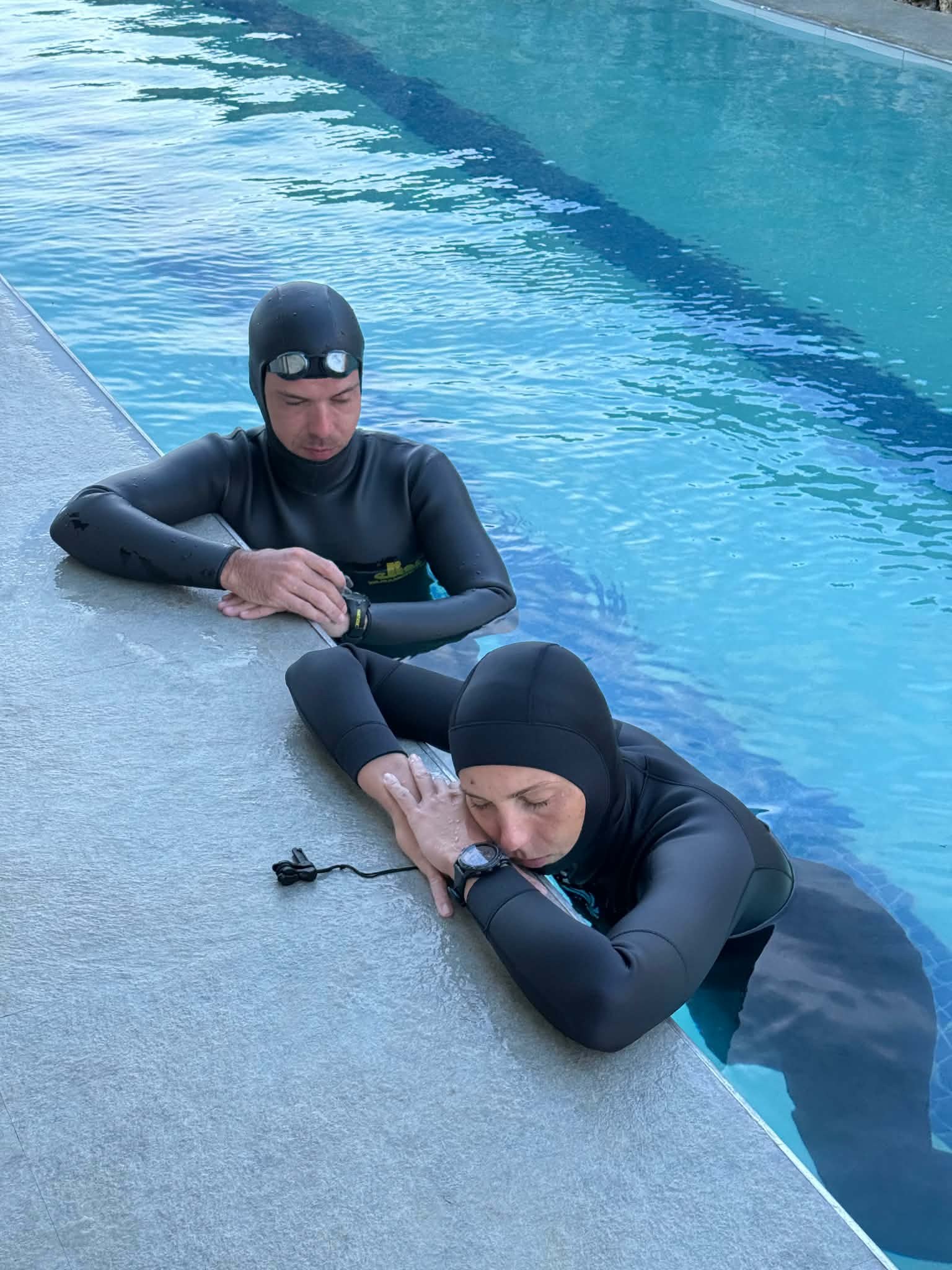
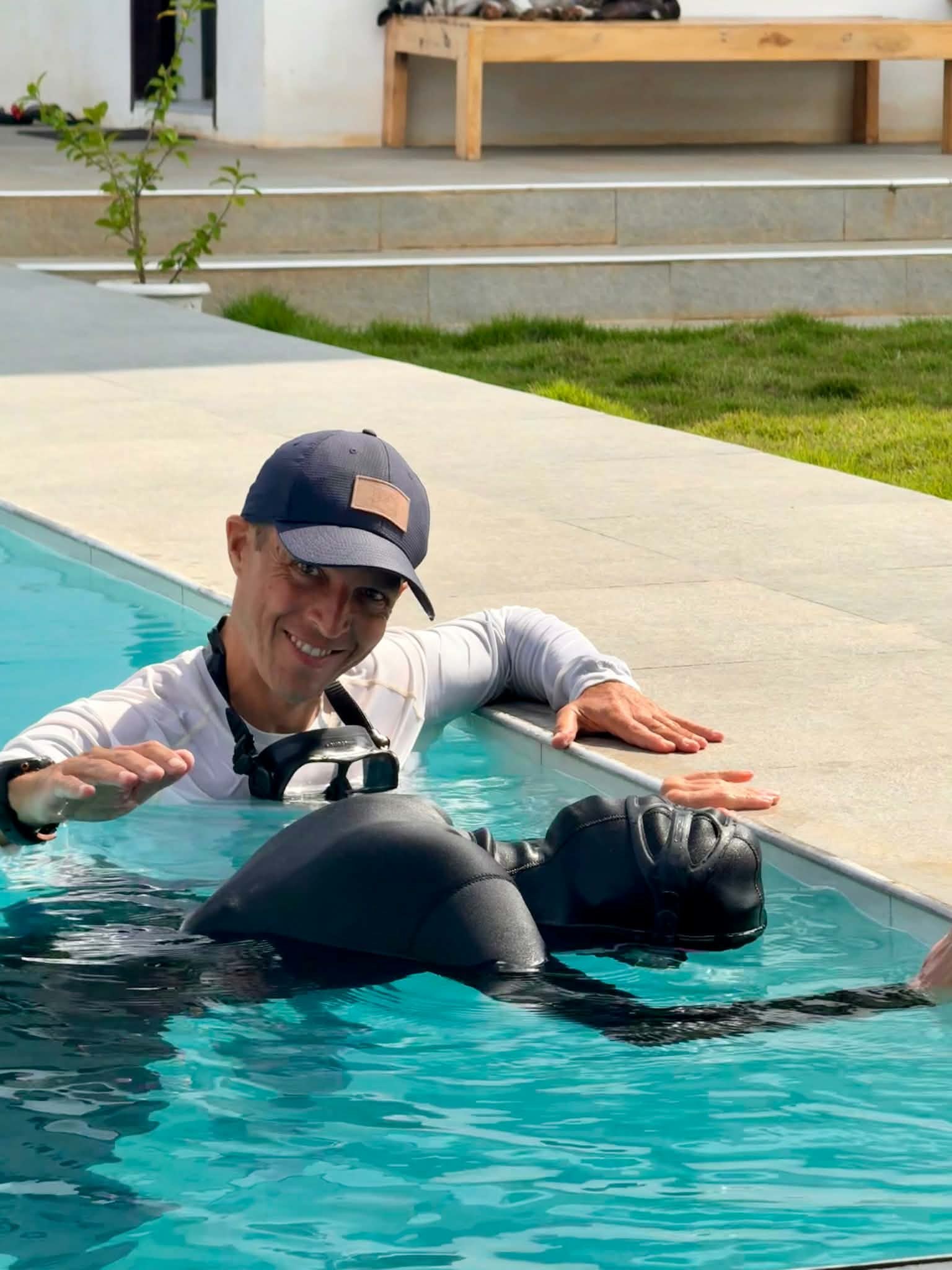
This is probably the most important section of this article. Never practice breath holds in water by yourself. Not in a swimming pool. Not in the ocean. Not “just for a minute.” Even experienced freedivers never train alone. Loss of consciousness can happen silently and without warning. Proper supervision isn’t optional. It’s one of the foundations of safe freediving.
Fitness Helps—But Not in the Way You Think
People often ask whether running or cycling improves breath hold. Yes. But perhaps not for the reasons you imagine. Aerobic fitness improves your body’s efficiency. It helps your heart pump more effectively. It improves recovery. It often lowers resting heart rate. All of these contribute indirectly to freediving. But fitness alone won’t teach you how to relax underwater.
Why You Should Stop Comparing Yourself
Coach’s Tip: Stop comparing your static time with others. A relaxed two-minute breath hold is more valuable than a stressful three-minute one.
One of the biggest mistakes beginners make is comparing breath-hold times. “My friend already reached two minutes.” “I can only manage one.” Those numbers mean almost nothing. A breath hold performed after proper relaxation in a calm environment isn’t comparable to someone holding their breath after running upstairs. Context matters. Focus on your own improvement. Not someone else’s stopwatch.
Breath Hold Isn’t Freediving
This surprises many people. Holding your breath is only one small part of freediving. You also need to learn:
- Equalization.
- Technique.
- Safety.
- Body position.
- Rescue skills.
- Buddy procedures.
- Mental preparation.
Some beginners become obsessed with increasing static breath-hold time while neglecting everything else. That’s like becoming an excellent pianist by practicing only one note.
How Quickly Can You Improve?
For most people, the biggest improvements happen during the first few weeks. Not because the body changes dramatically. Because the mind does. People stop panicking. Stop rushing. Stop wasting energy. As technique improves, the body naturally becomes more efficient. Progress slows later—but it never truly stops. Even after more than a decade in freediving, I’m still learning.
Five Things That Will Improve Your Breath Hold
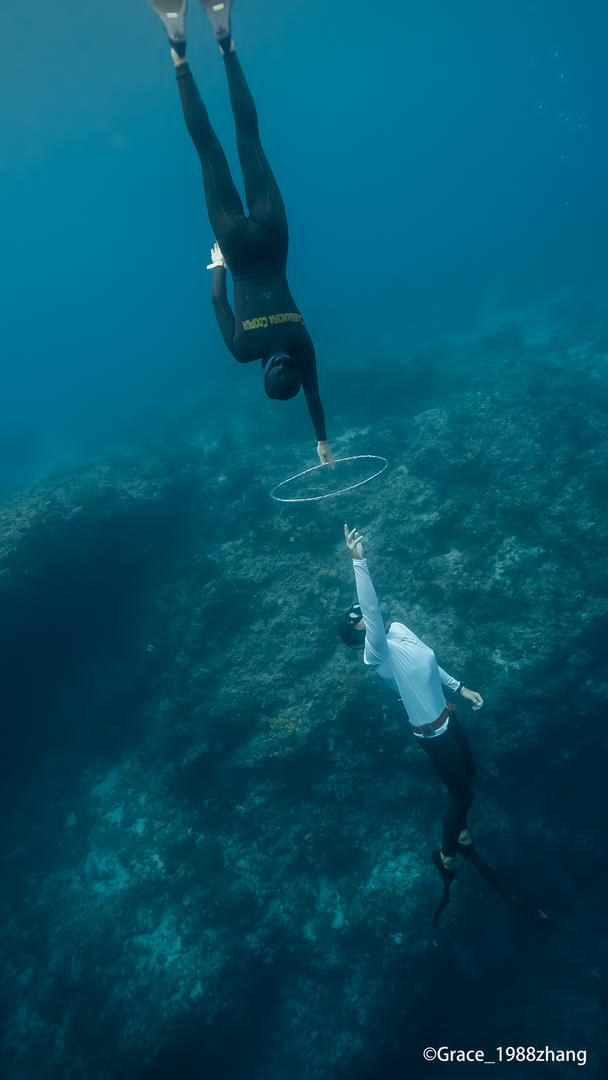
If you’re looking for practical advice, here are the five things I recommend most often.
- Learn proper breathing.
Not bigger breathing. Better breathing.
- Relax your body.
Every unnecessary muscle consumes oxygen.
- Improve your aerobic fitness.
A healthier cardiovascular system supports better diving.
- Practice consistently.
Short, regular practice beats occasional marathon sessions.
- Learn from qualified instructors.
Good coaching accelerates progress enormously.
My Perspective After More Than a Decade
People still ask me how long I can hold my breath. Honestly… I rarely think about it anymore. Because over the years I’ve realised something. Holding your breath isn’t really the goal. It’s simply one expression of relaxation. If I’m calm… Well rested… Mentally focused… And technically efficient… The breath hold takes care of itself. That’s a much healthier mindset than constantly chasing another few seconds.
Frequently Asked Questions
Is one minute a good breath hold?
For someone with no training, yes. Many healthy adults naturally fall somewhere between 30 and 90 seconds.
Can anyone improve their breath hold?
Almost everyone can improve significantly through better relaxation, technique, and proper training.
Does holding my breath longer make me a better freediver?
Not necessarily. Breath hold is only one component of freediving. Equalization, technique, safety, and relaxation are equally important.
Should I practice every day?
Moderate, structured practice can be beneficial, but quality is always more important than quantity. Recovery also matters.
What’s the safest way to improve?
Take a certified freediving course. Learning proper techniques under qualified supervision is by far the safest and most effective approach.
Final Thoughts
When people first discover freediving, they often become fascinated by one number. How long they can hold their breath. Eventually, most experienced freedivers realise that number matters much less than they thought. Because breath hold isn’t really about lungs. It’s about relaxation, awareness, efficiency, patience. Those qualities don’t just make you a better freediver. They often make you calmer in everyday life as well. And perhaps that’s the most valuable lesson breath holding has to offer.
Further Reading:
How to Improve Your Breath Hold
Why Relaxation Is the Real Secret to Better Freediving
Can Freediving Increase Your Lung Capacity?


